The Ultimate Guide to Best Sulfate-Free Shampoos for Color-Treated Hair | 2025 Edition
Coloring hair is more than just a beauty treatment; it is an investment of time, money, and emotional energy. Whether opting for a platinum blonde transformation, a fiery copper red, or a rich balayage, the immediate result is always stunning. However, the true challenge begins the moment the client leaves the salon chair: maintenance. The longevity of hair color depends heavily on the products used at home, and at the top of that list is the shampoo.
In recent years, the conversation around hair care has shifted dramatically toward ingredient awareness. The term "sulfate-free" has transitioned from a niche buzzword to a standard recommendation by professional stylists worldwide. But what does it actually mean, and why is it critical for color-treated hair? This comprehensive guide dives deep into the science of sulfates, the benefits of gentle cleansing, and how to choose the best sulfate-free shampoos for specific hair needs.
The Science: Why Sulfates Are the Enemy of Color
To understand why sulfate-free options are superior for colored hair, one must first understand what sulfates are. Sulfates, primarily Sodium Lauryl Sulfate (SLS) and Sodium Laureth Sulfate (SLES), are aggressive surfactants (detergents) found in many commercial personal care products. They are responsible for the rich, foamy lather that consumers have been conditioned to associate with cleanliness.
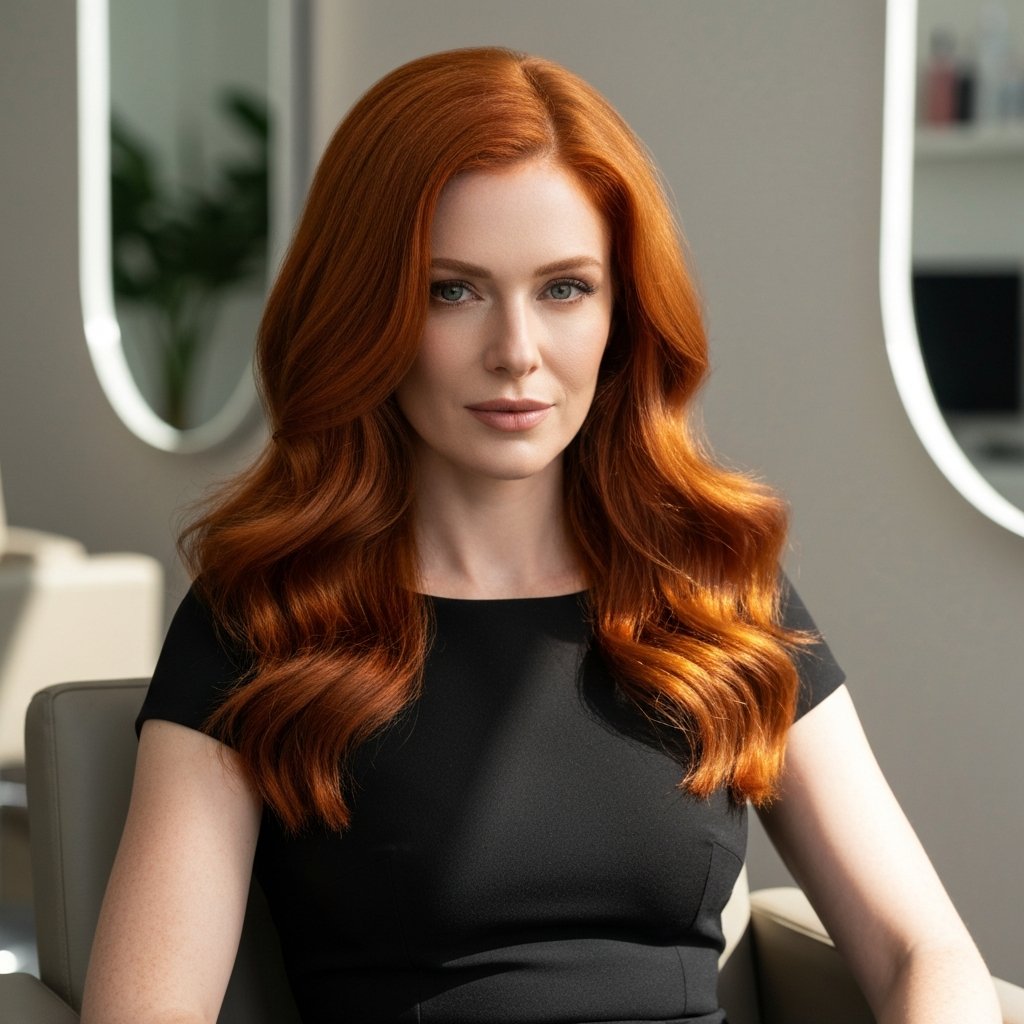
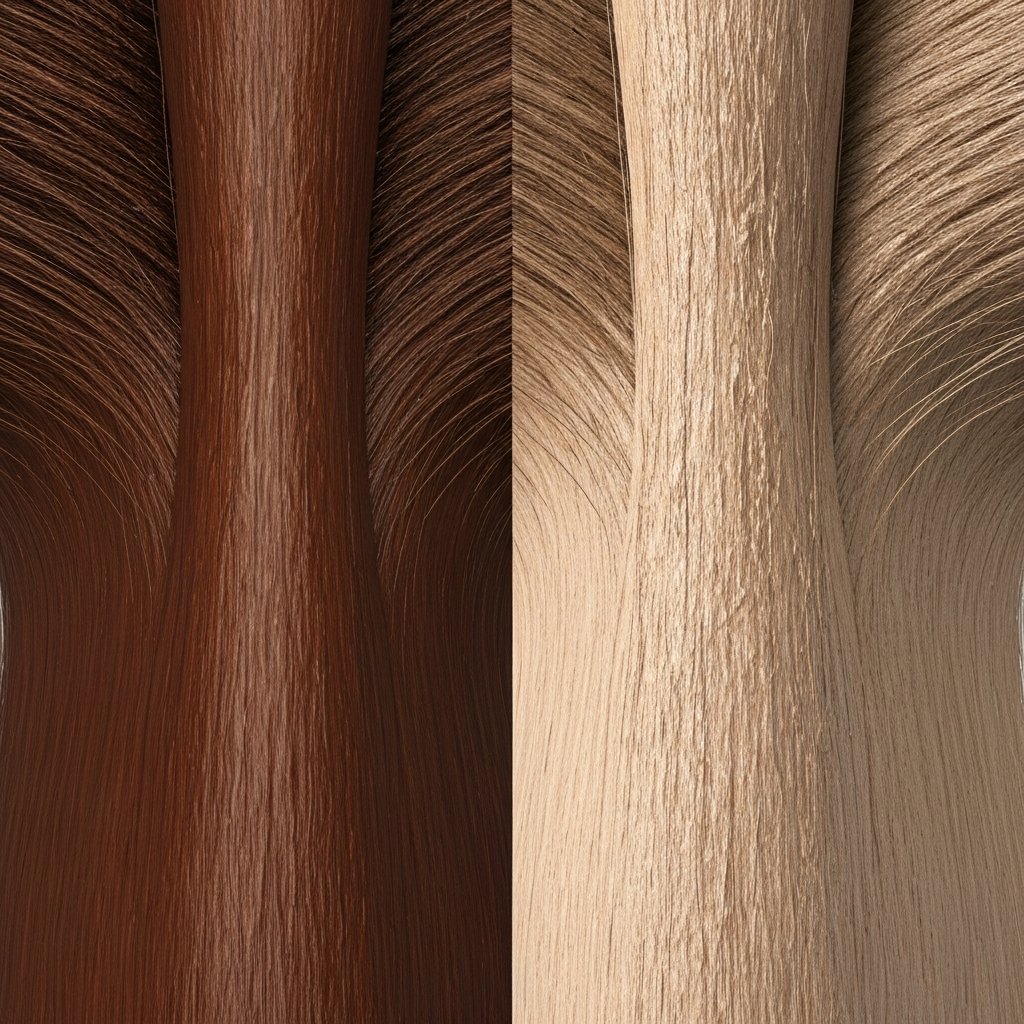
While sulfates are effective at stripping away dirt and oil, they are indiscriminate. They do not distinguish between excess sebum, essential natural oils, and the artificial pigment molecules deposited during a color service. When sulfates interact with the hair cuticle, they can cause it to swell and lift. This opening of the cuticle allows color molecules to escape prematurely, leading to the dreaded "fading" that turns vibrant reds into dull pinks and rich brunettes into brassy oranges.
Furthermore, the stripping nature of sulfates leaves the hair shaft dehydrated. Color-treated hair is already chemically compromised; adding a harsh detergent to the mix exacerbates dryness, leads to breakage, and diminishes the glossy shine that makes fresh color look so healthy. Switching to a sulfate-free formula effectively closes this loop, cleaning the hair without disrupting the delicate chemical balance required to maintain pigment.
Top Benefits of Switching to Sulfate-Free Formulas
Making the switch to the best sulfate-free shampoos for color-treated hair offers a multitude of benefits that go beyond simple color retention. It acts as a holistic improvement for hair health.
1. Extended Color Vibrancy
The most obvious benefit is longevity. Gentle surfactants clean the scalp and hair without stripping the cortex. This means the color molecules remain trapped inside the hair shaft for significantly longer periods. Professionals estimate that using a sulfate-free regimen can extend the life of hair color by up to four weeks compared to traditional shampoos.2. Retention of Natural Moisture
Scalp health is the foundation of hair health. Sulfates often strip the scalp of its natural lipid barrier, leading to itchiness, irritation, and overproduction of oil as the skin tries to compensate. Sulfate-free shampoos maintain the scalp's natural microbiome and moisture barrier, resulting in softer, more manageable hair that doesn't feel like straw after washing.3. Reduced Frizz and Breakage
Frizz is often a symptom of a raised cuticle layer and dehydration. Because sulfate-free shampoos are generally pH-balanced and contain conditioning agents, they help keep the cuticle flat and smooth. A smooth cuticle reflects light better—enhancing the color's shine—and prevents moisture from entering the shaft to cause frizz.Key Ingredients to Look For in 2025
Not all sulfate-free shampoos are created equal. When browsing for the best products, professional stylists recommend looking for specific restorative ingredients that complement the gentle cleansing action.
Natural Surfactants: instead of sulfates, look for cleansers derived from coconut, corn, or sugar. Ingredients like Cocamidopropyl Betaine or Decyl Glucoside offer a mild cleanse that won't disturb hair color.
Restorative Proteins: Color processing breaks protein bonds. Shampoos containing Hydrolyzed Keratin, Silk Amino Acids, or Quinoa Protein help patch up the hair shaft, reinforcing structure and locking in color.
Hydrating Botanicals: Ingredients like Argan Oil, Jojoba Oil, and Aloe Vera are essential. They coat the hair strand, providing a protective lipid layer that mimics the natural oils lost during coloring.
UV Protectants: The sun is a major cause of color fading. Advanced formulations now include UV absorbers or antioxidants like Sunflower Seed Extract or Vitamin E to shield the hair from photo-degradation.
Tailoring the Shampoo to the Hair Type
There is no "one size fits all" bottle. The best sulfate-free shampoo for a fine-haired blonde will differ vastly from the best option for coarse, curly hair. Here is how to categorize the choices based on hair needs.

For Fine and Thin Hair
One common complaint about sulfate-free shampoos is that they can feel heavy or fail to produce volume. For fine, color-treated hair, the goal is lightweight hydration. Look for "volumizing" sulfate-free formulas that utilize lightweight humectants like glycerin rather than heavy butters. These products cleanse effectively without weighing down the roots, ensuring the color looks airy and bright.For Thick, Coarse, or Dry Hair
Thick hair textures often require intense moisture, especially after coloring. The best shampoos in this category are often labeled "moisturizing" or "repairing." They often have a creamy consistency rather than a gel texture. Ingredients like Shea Butter and Murumuru Butter are excellent here. They provide the slip needed to detangle coarse hair while washing, preventing mechanical breakage.For Curly and Textured Hair
Curly hair is naturally drier than straight hair because natural oils struggle to travel down the spiral shaft. When color is added, the need for moisture doubles. The ideal shampoo here is a "No-Poo" or a Low-Poo cleansing conditioner. These non-foaming formulas cleanse the scalp purely through friction and oil-solubility, ensuring the curl pattern remains intact and the color remains vibrant.For Blondes and Silver Hair
Blondes face the specific challenge of brassiness. The best sulfate-free option for this demographic is a pigmented purple shampoo. However, caution is advised: many purple shampoos are drying. It is vital to find a professional-grade purple shampoo that is specifically labeled sulfate-free to ensure it neutralizes yellow tones without turning the hair into brittle straw.Expert Washing Techniques for Color Longevity
Even the best sulfate-free shampoo cannot save color if the washing technique is incorrect. Professional advice suggests the following protocol for washing color-treated hair:

- Wait 72 Hours: After a color service, wait at least three full days before washing. This allows the cuticle to close fully and the pigment to settle.
- Lower the Temperature: Hot water opens the cuticle, allowing color to escape. Wash hair with lukewarm water and rinse with cool water to seal the shine.
- Focus on the Scalp: Apply shampoo only to the roots. The runoff water is sufficient to clean the mid-lengths and ends. Scrubbing the ends can rough up the cuticle and fade the color.
- Reduce Frequency: Try to extend the time between washes. Dry shampoo is a color-treated person's best friend. Washing 2-3 times a week is generally sufficient for most hair types.
The Adjustment Period: What to Expect
For those transitioning from drugstore sulfate shampoos to professional sulfate-free options, there may be a "detox" period. During the first few washes, the hair might feel different—perhaps less "squeaky clean" or slightly heavier. This is normal.

Sulfate shampoos strip everything, causing the scalp to overproduce oil. When switching to a gentle cleanser, the scalp takes time to realize it doesn't need to produce as much oil. This adjustment period usually lasts about two weeks. Stick with it; the resulting balance and color vibrancy are well worth the wait.
Frequently Asked Questions
Q: Will sulfate-free shampoo lather? A: They produce less foam than traditional shampoos. A massive amount of bubbles does not equal cleaning power. However, many modern professional formulas use coconut-derived cleansers that still offer a satisfying, creamy lather.

Q: Can sulfate-free shampoo remove product buildup? A: Yes, but if you use heavy styling products (waxes, sprays), you may need to double-cleanse (wash, rinse, and wash again) or use a specific sulfate-free clarifying shampoo once a month.
Q: Is sulfate-free shampoo necessary for semi-permanent color? A: Absolutely. Semi-permanent colors sit on top of the cuticle rather than penetrating the cortex. They are the most vulnerable to washing out, so a gentle surfactant is non-negotiable for these fashion colors.
Q: Do sulfate-free shampoos cost more? A: Generally, yes. The ingredients required to cleanse gently are more expensive to source than cheap industrial detergents like SLS. However, because they are concentrated, a bottle often lasts longer.
Q: Does "color-safe" always mean sulfate-free? A: Not always. Always check the ingredient list on the back. If you see "Sodium Lauryl Sulfate" or "Sodium Laureth Sulfate," put it back, even if the front says "Color Safe."
Conclusion
Selecting the best sulfate-free shampoo for color-treated hair is the single most effective step one can take to preserve a salon look at home. It protects the structural integrity of the hair, maintains the scalp's moisture balance, and ensures that the investment made in hair color pays off in long-lasting, head-turning vibrancy. By understanding ingredients and tailoring product choices to specific hair textures, maintaining that "fresh out of the salon" feeling becomes an achievable daily reality.


