The Complete Guide to Hair Toners: What They Do and How to Use Them | Expert Color Correction
Have you ever left a salon or finished a home coloring session only to find your hair looking a little too yellow, orange, or just generally "off"? You wanted a cool, icy platinum or a rich, ash brown, but instead, you ended up with something resembling a rusty penny. This is a common frustration in the world of hair coloring, and the solution usually lies in one misunderstood product: hair toner.
While most people understand the concept of bleaching or dyeing, the toning step is often viewed as an optional add-on or a mystery service performed at the shampoo bowl. However, for professional stylists, toning is arguably the most critical step in achieving a sophisticated, high-end look. It is the difference between "raw" lightened hair and a finished, polished masterpiece.
In this complete guide to hair toners, we will demystify the science behind color correction, explain exactly what toners do (and what they don't do), and provide a comprehensive roadmap for maintaining your perfect shade between salon visits. Whether you are a platinum blonde, a balayage brunette, or a vibrant redhead, understanding toner is the key to unlocking your best hair color.
What Exactly is a Hair Toner?
At its core, a hair toner is a demi-permanent hair color product applied to hair after it has been lightened or bleached. Its primary function is to neutralize unwanted undertones—typically yellow, gold, orange, or red—that naturally appear when dark pigment is lifted from the hair shaft. Think of bleaching as preparing the canvas, and toning as applying the final coat of paint.
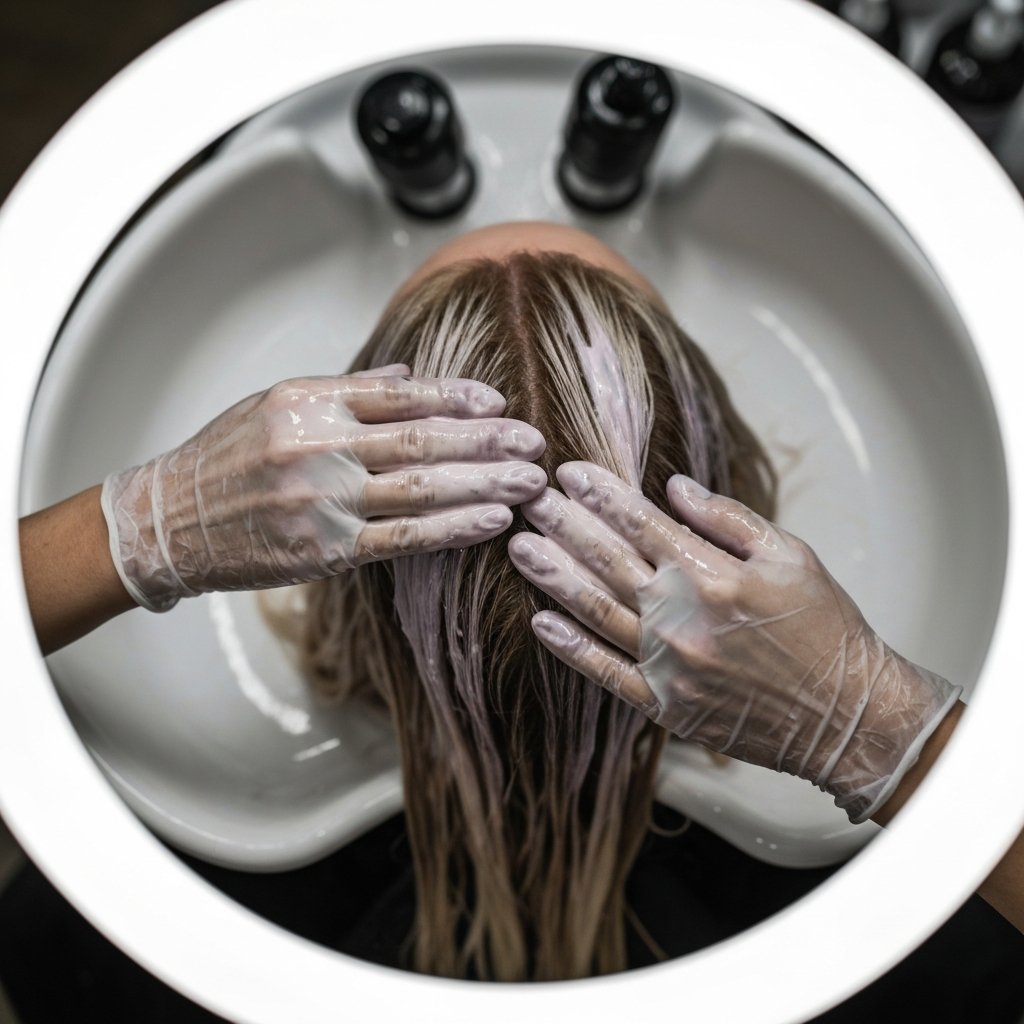
Technically speaking, toners generally have low ammonia or are ammonia-free. They deposit pigment onto the cuticle of the hair without penetrating deep into the cortex or lifting the natural base color further. This makes them much gentler than permanent dyes. Because they simply coat the hair shaft, they also act as a "top coat," sealing the cuticle and adding immense shine, which is why they are often referred to as "glosses" or "glazes."
It is important to clarify that toner is not just for blondes. While it is most famous for turning yellow bleach jobs into icy white platinum, toners are essential for all hair colors. They can add richness to fading brunettes, vibrancy to redheads, and even enhance natural gray hair by removing yellow discoloration caused by environmental pollutants or hard water.
The Difference Between Toner, Dye, and Bleach
To fully grasp the role of a toner, one must distinguish it from other chemical services. Bleach (lightener) removes pigment; it strips color away. Permanent Dye interacts with the hair's internal structure to change the color permanently and can lift virgin hair. Toner, on the other hand, only deposits tone. It cannot lighten hair. If your hair is dark brown, putting a platinum toner on it will not make it blonde; it will simply add a tonal reflect to the brown.
The Science of Color: Understanding the Color Wheel
To use hair toners effectively, one must understand basic color theory. Professional colorists use the universal law of color—specifically the color wheel—to determine which toner formula is required to correct a specific problem. The rule is simple: colors situated opposite each other on the color wheel cancel each other out.
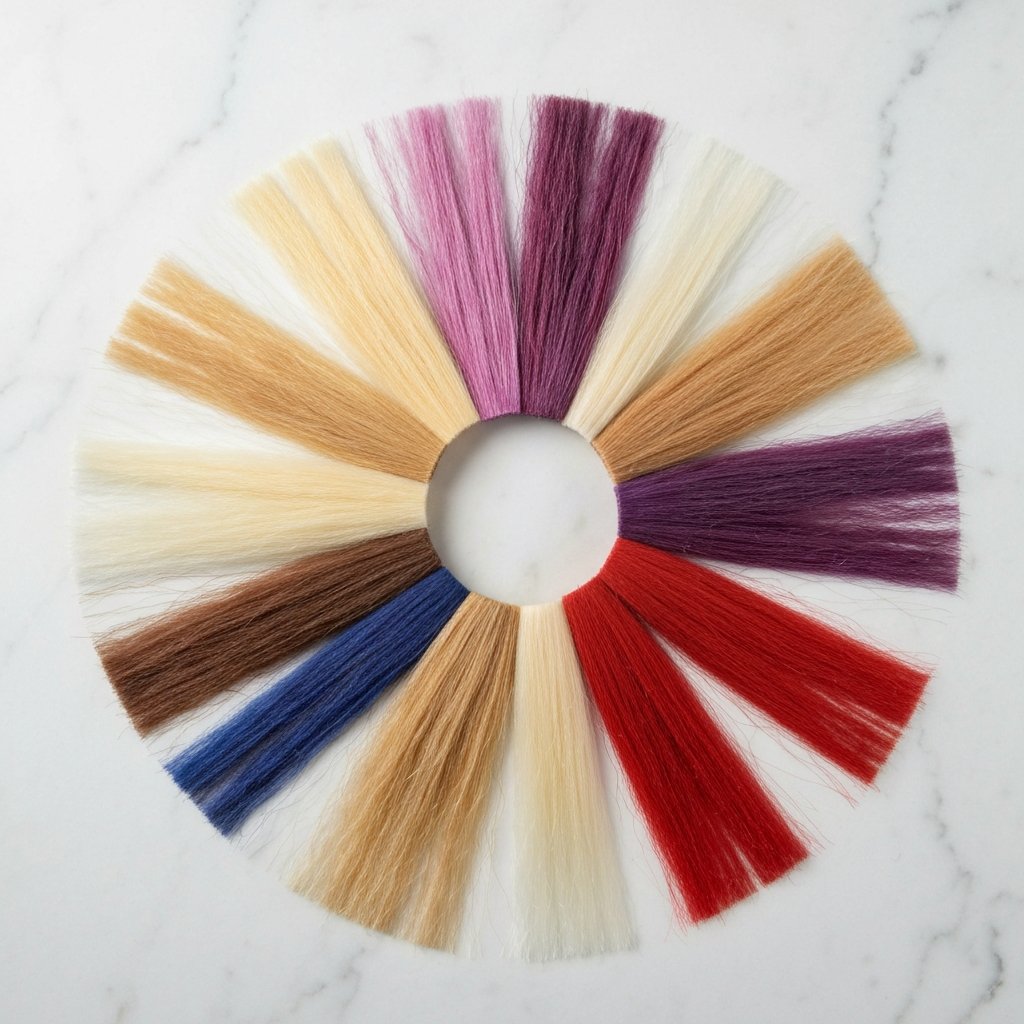
When hair is lightened, it goes through stages of warmth. Black hair lifts to red, then orange, then yellow, and finally pale yellow. If you stop the lightening process at the orange stage (often seen in brunettes attempting to go blonde), you need a toner to neutralize that orange.
Neutralizing Unwanted Tones
- Purple Cancels Yellow: This is why purple shampoo is marketed to blondes. If your hair looks like a canary or a banana peel, a violet-based toner is required to achieve a cool, ash, or platinum result.
- Blue Cancels Orange: If your highlights have turned brassy or coppery (common in caramel balayage or lightened brown hair), a blue-based ash toner is necessary to cool it down to a neutral brown.
- Green Cancels Red: For dark brunettes who pull unwanted red tones, a matte or green-based toner helps achieve a rich, cool chocolate or espresso shade.
Understanding this relationship prevents color disasters. Applying a gold toner to yellow hair will only make it more yellow, whereas applying an ash (blue/violet) toner creates that coveted cool beige or silver look.
Who Needs a Hair Toner?
Almost everyone who colors their hair can benefit from a toner. The misconception that toners are exclusively for platinum blondes limits the potential of many other hair colors. Here is a breakdown of how different hair types utilize toning services.

1. The Blondes
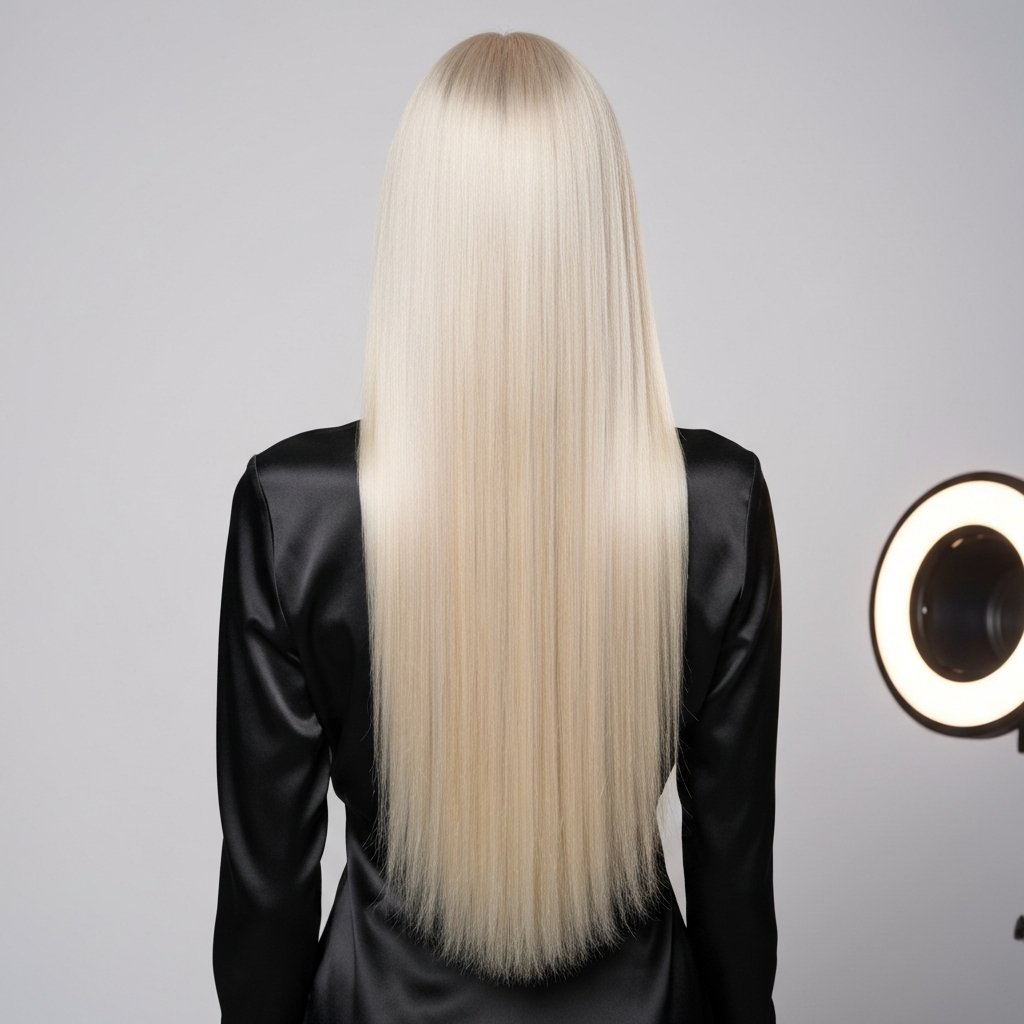
Blondes are the most frequent users of toners. When hair is bleached to a level 9 or 10, the underlying pigment is pale yellow. Without toner, this looks raw and unfinished. Toners can transform this raw yellow into vanilla, silver, pearl, cream, or honey. Because blonde hair is porous, it loses toner faster than other colors, requiring more frequent maintenance.2. The Brunettes
Brunettes often struggle with brassiness—those unwanted orange and red hues that appear a few weeks after coloring. This happens because the blue color molecules (which make hair look cool and dark) are the smallest and fade the fastest, leaving behind the larger, warmer red molecules. A blue-based toner or gloss can refresh faded brown hair, making it look rich and deep again without the damage of permanent dye.3. The Redheads
Red hair is notoriously difficult to maintain because red dye molecules are large and slip out of the hair shaft easily during washing. A red-enhancing toner acts as a refresher, boosting vibrancy and shine between permanent color appointments. It keeps the red looking fiery rather than washed out.4. Natural Hair and Grays
Even if you have never dyed your hair, you can use a clear gloss or a specific toner. Gray hair can often take on a yellow tinge due to minerals in shower water, sunlight, or smoking. A silver or violet-based toner can make natural gray hair look crisp, clean, and shiny. Clear glosses are also excellent for anyone seeking a "glass hair" effect without altering their color.Types of Hair Toners: Salon vs. At-Home Solutions
Not all toners are created equal. They generally fall into three categories: in-salon demi-permanent colors, purple/blue shampoos, and at-home toning masks. Understanding the strength and longevity of each is vital for hair health.
Professional In-Salon Toners
These are the most potent and effective options. They are usually two-part chemical mixtures (color plus developer) applied at the shampoo bowl. They can be customized with precision—a stylist might mix 10 grams of violet and 2 grams of gold to get the perfect beige. These toners typically last 4 to 6 weeks, depending on how often you wash your hair.Toning Shampoos (Purple and Blue)
These are maintenance products, not corrective chemical services. They deposit a temporary layer of pigment on the surface of the hair. While great for upkeep, they cannot fix a bad bleach job or significantly alter the hair color. They are best used once a week to prevent brassiness from returning. Overuse can lead to dullness or a muddy appearance.Toning Masks and Glosses
Bridging the gap between shampoos and professional services, pigmented masks and at-home glosses offer deeper conditioning benefits. They sit on the hair for 10-20 minutes and provide a more substantial color deposit than shampoo. These are excellent for refreshing color mid-month when you cannot make it to the salon.The Professional Toning Process Step-by-Step
If you have ever wondered what is happening during that 20-minute wait at the salon sink, here is the professional breakdown of the toning process. It is a precise chemical service that requires timing and observation.
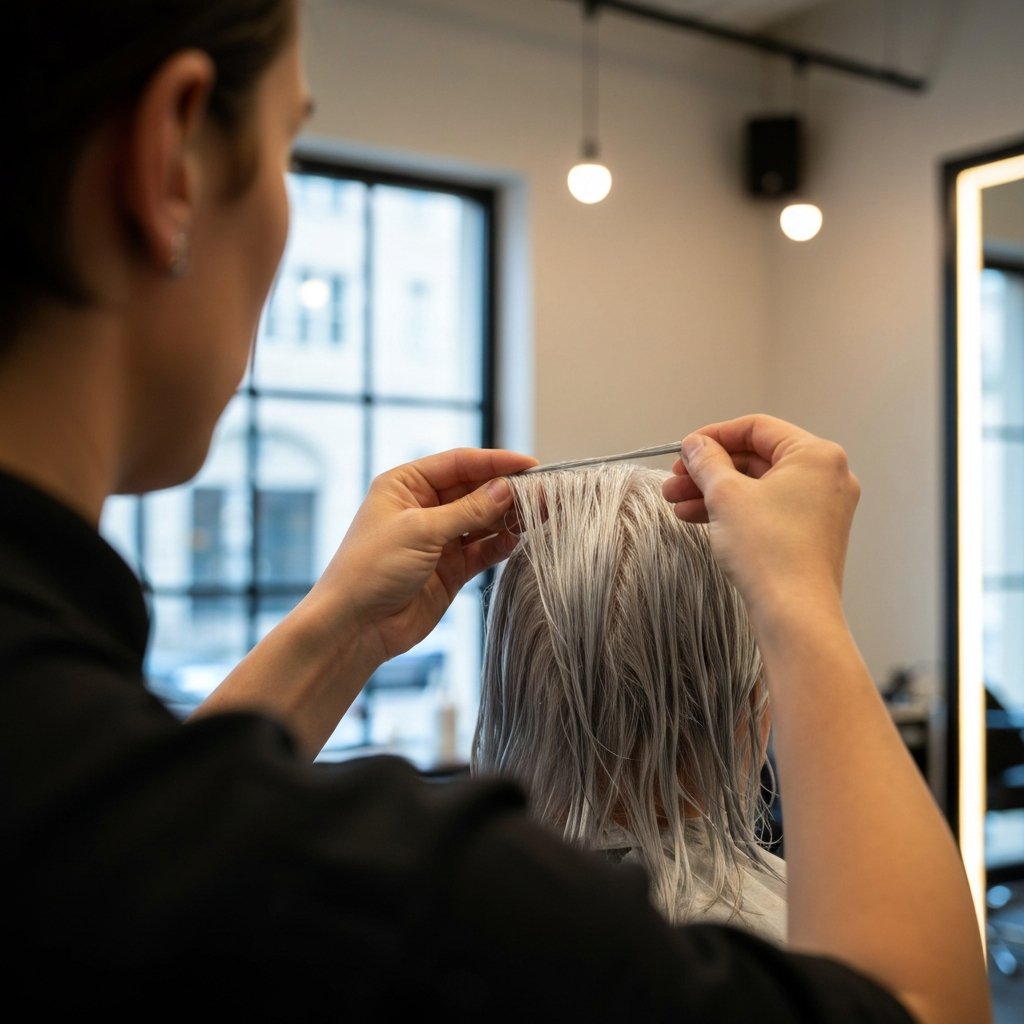
- Preparation: After the lightening service (foils or bleach), the stylist rinses the lightener completely from the hair. The hair is towel-dried because applying toner to soaking wet hair dilutes the formula, resulting in uneven or weak color absorption.
- Application: The stylist applies the custom-mixed toner quickly and efficiently. Speed is crucial because toners begin working immediately. If the stylist takes too long, one side of the head might process darker than the other.
- Processing: The toner sits on the hair for anywhere from 5 to 20 minutes. This is the "magic zone." The stylist will frequently check the hair, rubbing a strand to see the true color development. Toner can look purple or dark blue while processing, which can be scary for clients, but this is normal.
- Rinsing and Sealing: Once the desired shade is reached, the toner is rinsed out. A post-color treatment or conditioner is applied to seal the cuticle, locking in the pigment and restoring the pH balance of the hair.
Crucial Maintenance Tips for Toned Hair
A toner is not permanent. It will fade. However, how fast it fades depends entirely on your home care routine. To extend the life of your toner from 2 weeks to 6 weeks, follow these strict guidelines.
Wash Less, Wash Cold
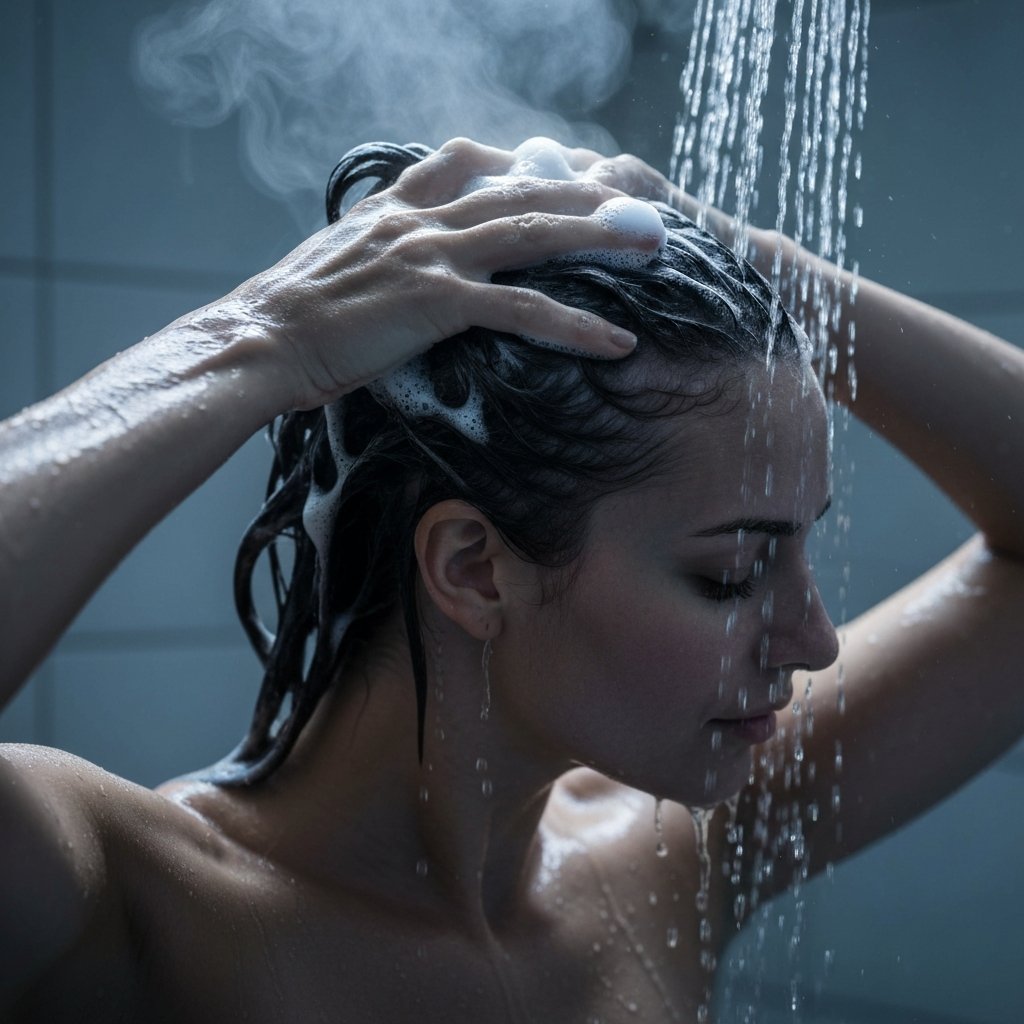
Water is the enemy of hair color. Every time you wet your hair, the hair shaft swells, allowing pigment to escape. Try to limit washing to 2-3 times a week. When you do wash, use cool or lukewarm water. Hot water opens the cuticle aggressively, stripping out the toner instantly.Sulfate-Free is Non-Negotiable
Sulfates are harsh detergents found in many drugstore shampoos. They are designed to strip grease, but they also strip color. Always use a professional-grade, sulfate-free shampoo formulated for color-treated hair to gently cleanse without removing the toner.Heat Protection
High heat from styling tools (flat irons, curling wands) can actually burn the toner out of your hair, turning it brassy instantly. This is known as "thermal oxidation." Always use a heat protectant spray before styling, and try to keep your tools below 350°F (175°C).Filter Your Water
Hard water contains minerals like iron and calcium that build up on the hair, causing discoloration and stripping toner. Installing a showerhead filter is one of the best investments you can make for your hair color longevity.Frequently Asked Questions (FAQ)
Q: How long does a hair toner last? A: On average, a professional toner lasts between 4 to 6 weeks. However, this depends on your hair's porosity and how frequently you wash it. If you wash your hair every day, the toner may fade in under two weeks.
Q: Will toner damage my hair? A: Generally, no. Most professional toners are demi-permanent and ammonia-free, meaning they are much gentler than bleach or permanent dye. Many contain conditioning agents that actually improve the feel of the hair by sealing the cuticle.
Q: Can toner lighten my dark hair? A: No. Toner does not contain the necessary chemicals to lift or lighten natural melanin. It can only deposit color. If you want lighter hair, you must use bleach or high-lift dye first.
Q: Why did my hair turn grey or purple after toning? A: This usually happens if the hair was very porous (dry/damaged) and absorbed the cool pigments too quickly, or if the toner was left on too long. The good news is that this "over-toned" look will usually fade after 2-3 washes.
Q: Can I tone my hair at home with box dye? A: It is highly risky. Box dyes are often not true toners; they may be permanent colors with high ammonia that can damage pre-lightened hair or result in unexpected colors. It is safer to use purple shampoo or pigmented masks for at-home maintenance.
Q: How soon can I re-tone my hair? A: Since toners are gentle, you can re-tone fairly often. However, it is best to wait at least 4 weeks between chemical services to prevent dryness. If you are just using a purple shampoo, you can use it weekly.
Conclusion
Hair toner is the unsung hero of the salon world. It is the bridge between a chemical process and a beautiful, wearable aesthetic. Whether you are chasing the perfect platinum, maintaining a sultry chocolate brunette, or simply want to add a glossy finish to your natural texture, understanding how toners work empowers you to make better decisions for your hair health.
While purple shampoos and at-home glosses are fantastic for maintenance, the complex color theory required to correct brassiness or achieve specific shades is best left to professionals. If your hair color isn't quite hitting the mark, schedule a consultation with a professional stylist to discuss how a custom toning service can revitalize your look.


