The Complete Guide to Hair Glossing: Shine and Color Enhancement | Ultimate Hair Care
The Complete Guide to Hair Glossing: Shine and Color Enhancement
In the ever-evolving world of beauty and hair care, trends come and go, but the desire for healthy, radiant, and light-reflecting hair remains constant. Enter hair glossing—a transformative treatment that has rapidly moved from a stylist's secret weapon to a mainstream must-have. Whether you are looking to refresh a fading dye job, neutralize unwanted brassy tones, or simply achieve that coveted "glass hair" look on natural strands, hair glossing is the versatile solution that bridges the gap between permanent color and deep conditioning.
This comprehensive guide explores every facet of hair glossing, breaking down the science behind the shine, the differences between various treatments, and how to determine if a gloss is the right move for your hair goals. By understanding the mechanics of this demi-permanent service, individuals can make informed decisions that lead to healthier, more vibrant hair that looks as if it has been professionally illuminated from within.
Demystifying Hair Gloss: What Is It Exactly?
Hair gloss is widely regarded as the lip gloss of the hair world. Technically speaking, it is a form of demi-permanent color. Unlike permanent dye, which uses ammonia to open the hair cuticle and deposit pigment deep into the cortex, a gloss is typically an acidic or pH-balanced formula. It sits on top of the hair shaft, coating the cuticle rather than penetrating it aggressively. This coating action is what creates the signature high-shine finish that reflects light similarly to a mirror.
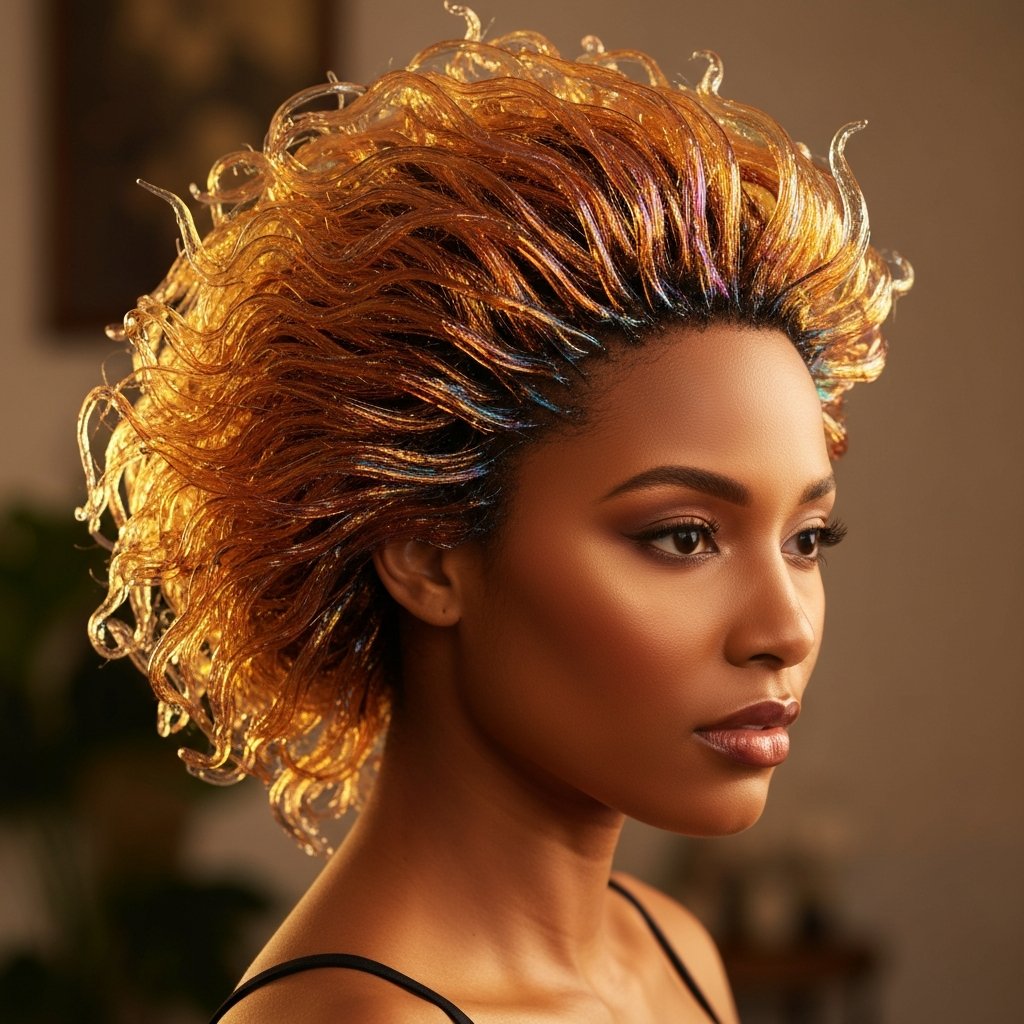
The absence of ammonia in most gloss formulations means that the treatment is incredibly gentle and non-damaging. It is designed to fade gradually over time, usually lasting anywhere from four to six weeks, depending on washing frequency and hair porosity. Because it doesn't alter the internal structure of the hair, glossing is an excellent introduction to professional color services for those who are hesitant about commitment or damage. It provides a temporary yet impactful enhancement that conditions while it colors.
Furthermore, hair glossing isn't a monolith; it comes in two primary forms: clear and tinted. A clear gloss is essentially a transparent power-boost of shine, perfect for those with virgin hair who want to enhance their natural texture and luminosity without changing the tone. A tinted gloss, on the other hand, contains pigment. This allows stylists to correct tone—such as removing yellow from blonde hair or adding warmth to brunettes—while simultaneously delivering deep conditioning benefits. It is a multitasking powerhouse that addresses texture and tone in a single appointment.
The Science of Shine: How Glossing Improves Hair Health
To understand why hair glossing is so effective, one must look at the structure of the hair strand. Healthy hair has a smooth cuticle—the outer layer of the hair shaft—which lies flat like shingles on a roof. When the cuticle is smooth, it reflects light, creating shine. However, heat styling, environmental stressors, and chemical processing can cause these "shingles" to lift and become rough. This results in dull, frizzy, and matte-looking hair because the light is absorbed or scattered rather than reflected.
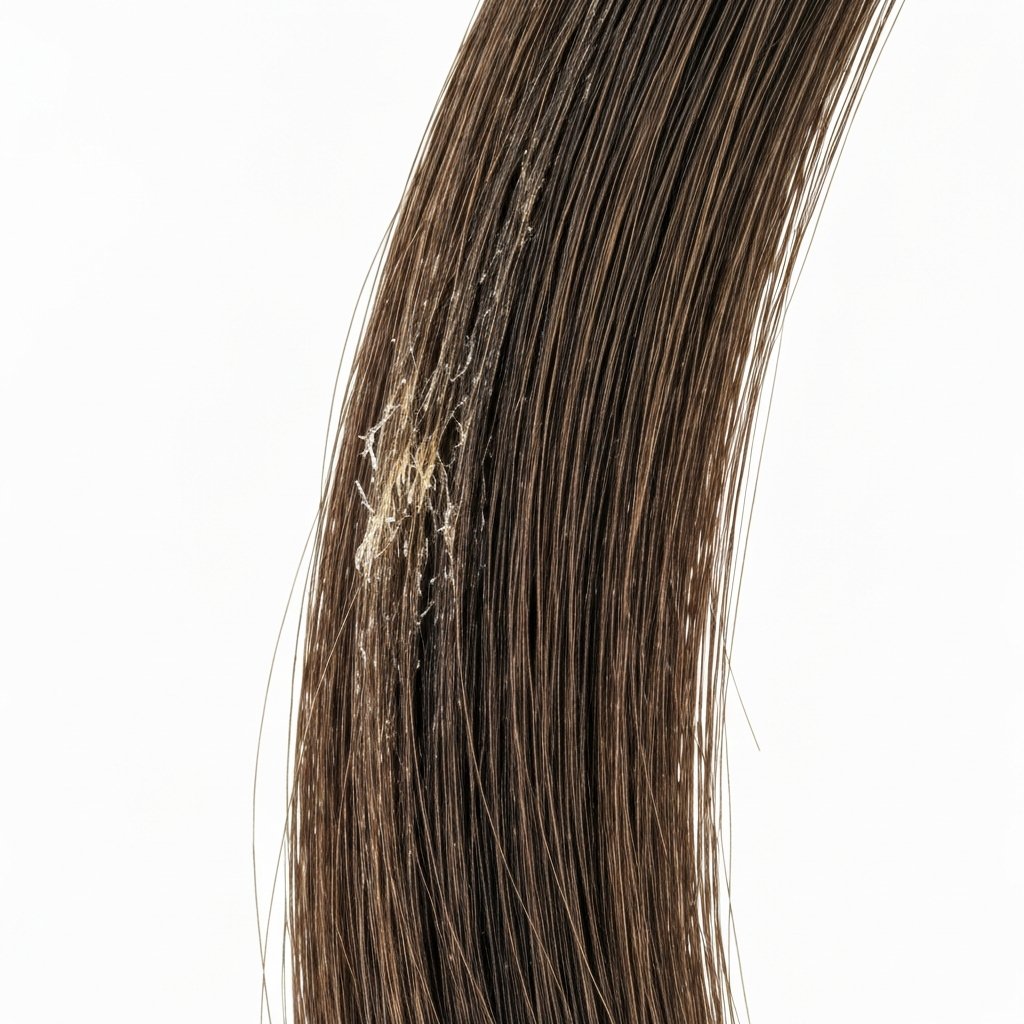
Hair gloss treatments generally operate with an acidic pH level. Hair has a natural pH of around 4.5 to 5.5. Many chemical treatments are alkaline, which raises the cuticle. Glosses, being acidic, work to re-seal and tighten the cuticle down. By physically closing the cuticle, the gloss smooths the surface texture of the hair. This not only locks in moisture and color molecules but also creates that flat surface necessary for maximum light reflection. The result is hair that feels softer, tangles less, and looks significantly healthier.
Beyond the pH benefits, many modern gloss formulations are infused with reparative ingredients. It is common to find proteins, amino acids, and botanical oils mixed into professional gloss systems. These ingredients fill in the microscopic gaps in the hair shaft, effectively repairing porosity issues. When the porosity is equalized, the hair dries faster and holds styles better. Therefore, a gloss is not merely a cosmetic cover-up; it is a functional treatment that improves the manageability and integrity of the hair fiber.
Gloss vs. Glaze vs. Dye: Knowing the Difference
Navigating salon terminology can be confusing, as terms are often used interchangeably, though they represent distinct services. The primary confusion often lies between a "gloss" and a "glaze." While the results are visually similar—shiny, toned hair—the chemistry differs. A gloss is typically a demi-permanent color that uses a low-volume developer (peroxide) to help the product adhere to the hair. This allows for slightly more longevity and penetration than a glaze.
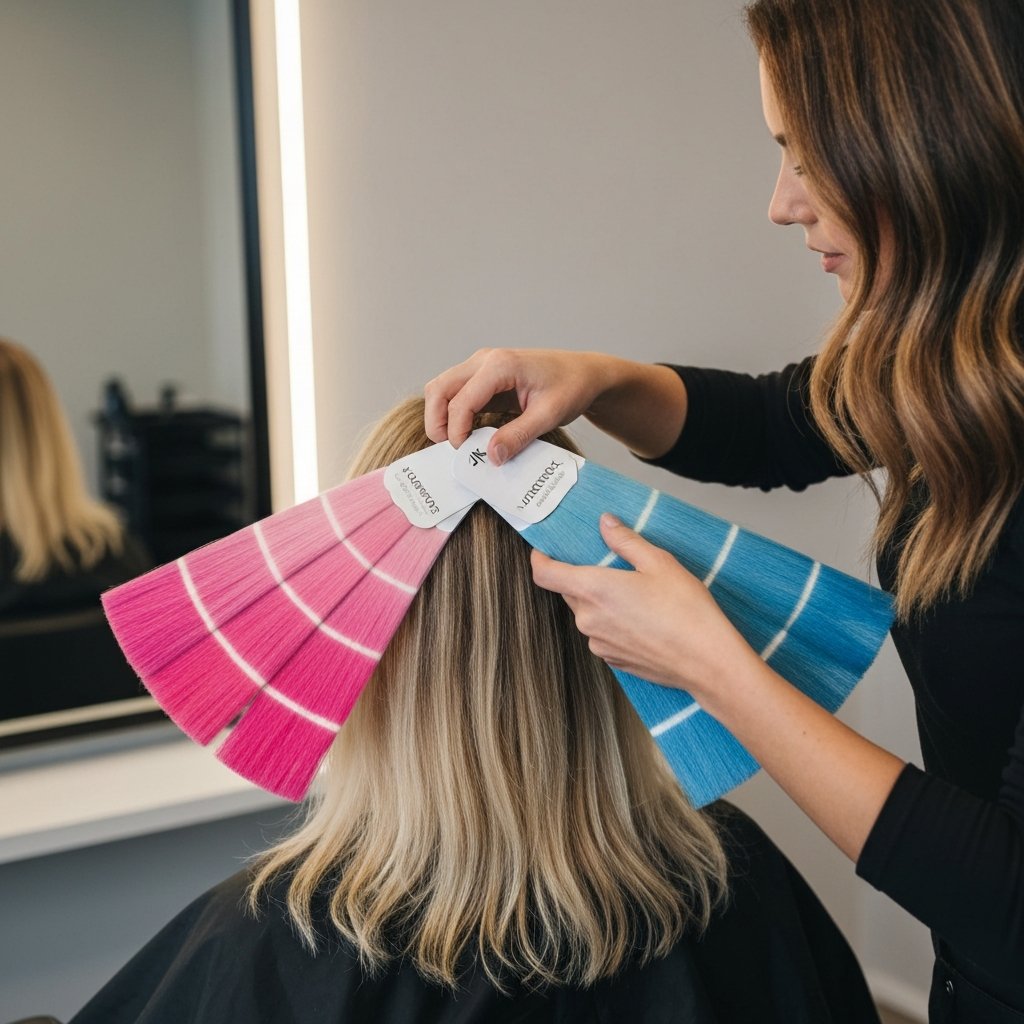
A hair glaze, by contrast, is usually semi-permanent and does not require a developer. It acts more like a deep conditioning stain that sits strictly on the very surface of the hair. Glazes tend to fade faster than glosses, often washing out within a week or two. While glazes are fantastic for a quick, zero-commitment shine boost, glosses are generally preferred for color correction and longevity because the developer allows the pigment to sit more securely on the hair shaft.
Comparing gloss to permanent dye brings the distinction of "lift" into the conversation. Permanent hair color has the ability to lift natural pigment (lighten the hair) and deposit new color. Glossing has zero lifting power. It cannot make brown hair blonde; it can only deposit tone or go darker. This limitation is actually its strength, as it ensures the natural melanin of the hair remains untouched, preventing the harsh line of demarcation (roots) that occurs with permanent color grow-out. This makes glossing a low-maintenance option for color enhancement.
Who Is the Ideal Candidate for a Hair Gloss?
One of the most appealing aspects of hair glossing is its universality. It is suitable for virtually every hair type and texture, from fine and straight to coarse and coiled. However, certain hair profiles stand to benefit the most from this service. Blondes are perhaps the most frequent consumers of gloss treatments (often called "toners" in this context). Blonde hair is notorious for turning brassy or yellow due to oxidation and mineral buildup. A violet or ash-based gloss neutralizes these unwanted warm tones, restoring a cool, crisp blonde without the damage of further bleaching.

Redheads and brunettes also see dramatic results. Red dye molecules are the largest and tend to fade the fastest of all colors. A gloss can replenish that vibrancy midway between coloring appointments, keeping the red rich and fiery. For brunettes, glossing can add depth and dimension, eliminating the flat, matte look that dark hair can sometimes acquire. It can introduce tones of chocolate, caramel, or mahogany that catch the light and add visual movement to the hair.
Even those with gray hair can benefit from glossing. While a gloss will not provide 100% opaque coverage for gray hair (you need permanent color for that), it can offer "gray blending." This stains the gray hairs, making them look like natural highlights rather than stark white wires. It softens the contrast between the natural base and the gray, providing a more youthful, dimensional look. Additionally, the conditioning aspect tames the wiry texture often associated with aging hair.
The Salon Experience: What to Expect
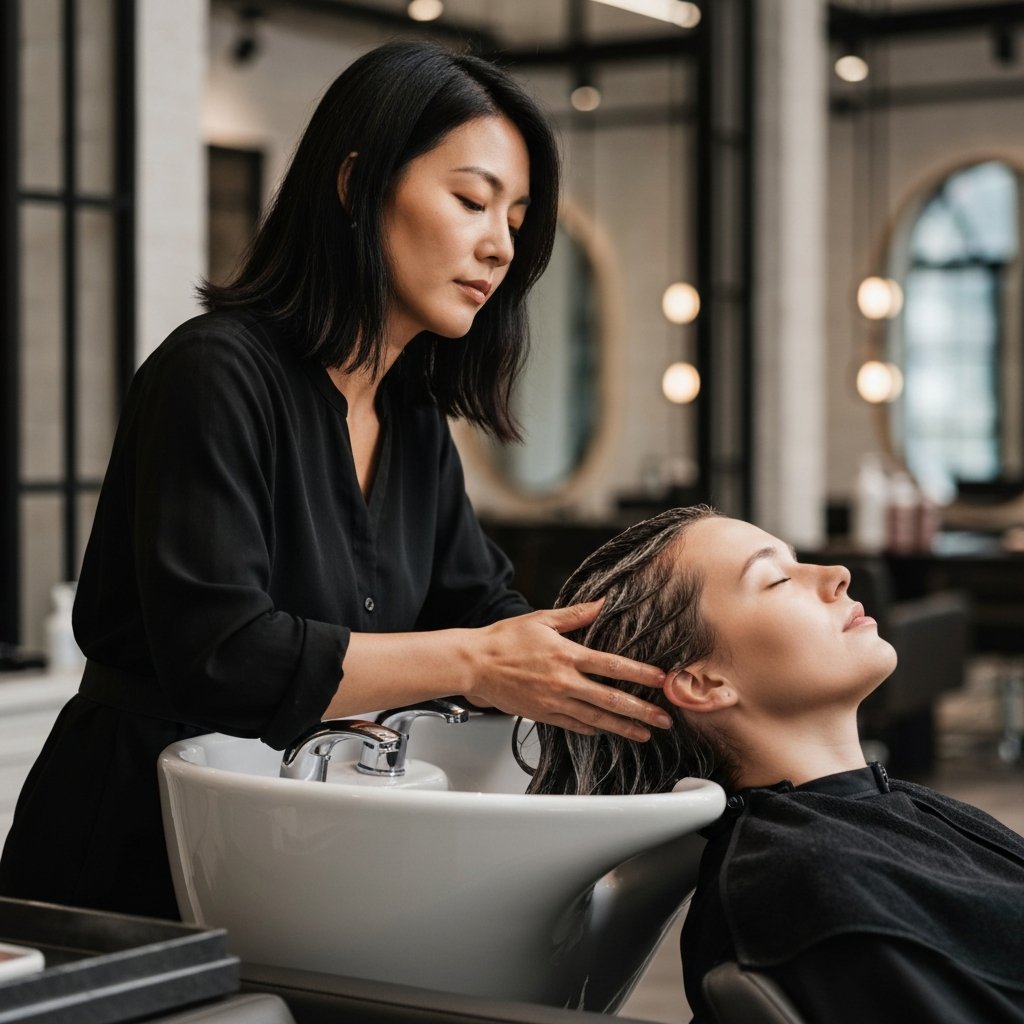
Walking into a salon for a glossing service is a quick and luxurious experience, often referred to as a "lunch break treatment" due to its speed. The process usually begins at the shampoo bowl. The hair is washed with a clarifying shampoo to remove surface buildup, ensuring the gloss can adhere evenly to the hair shaft. Unlike lengthy highlighting appointments, there are no foils or heat lamps required for a standard gloss.
The stylist will then mix the custom gloss formula. This is where professional expertise shines. A colorist can mix multiple shades to create a bespoke cocktail perfectly suited to the client's skin tone and hair goals. The mixture usually has a gel or cream consistency. It is applied from roots to ends (or zoned for a melted effect) on damp hair. The application is comfortable, without the strong chemical smell associated with permanent dyes.
Processing time is rapid, typically ranging from 10 to 20 minutes. During this time, the stylist monitors the hair to ensure the tone is developing correctly. Once processed, the hair is rinsed, conditioned, and styled. The immediate result is palpable—the hair feels silkier even while wet. Upon blow-drying, the "glassy" effect becomes visible. The entire service can often be completed in under an hour, making it an efficient way to elevate a look before a special event or as a monthly maintenance ritual.
Maintenance and Longevity: Keeping the Shine Alive
While hair glossing is demi-permanent, proper aftercare can significantly extend the life of the treatment. The enemy of any hair color or treatment is water and heat. To prolong the effects of a gloss, it is recommended to wash hair less frequently, utilizing dry shampoo in between washes. When washing is necessary, using a sulfate-free shampoo is non-negotiable. Sulfates are harsh detergents that strip the cuticle of oils and pigments, causing the gloss to fade prematurely.
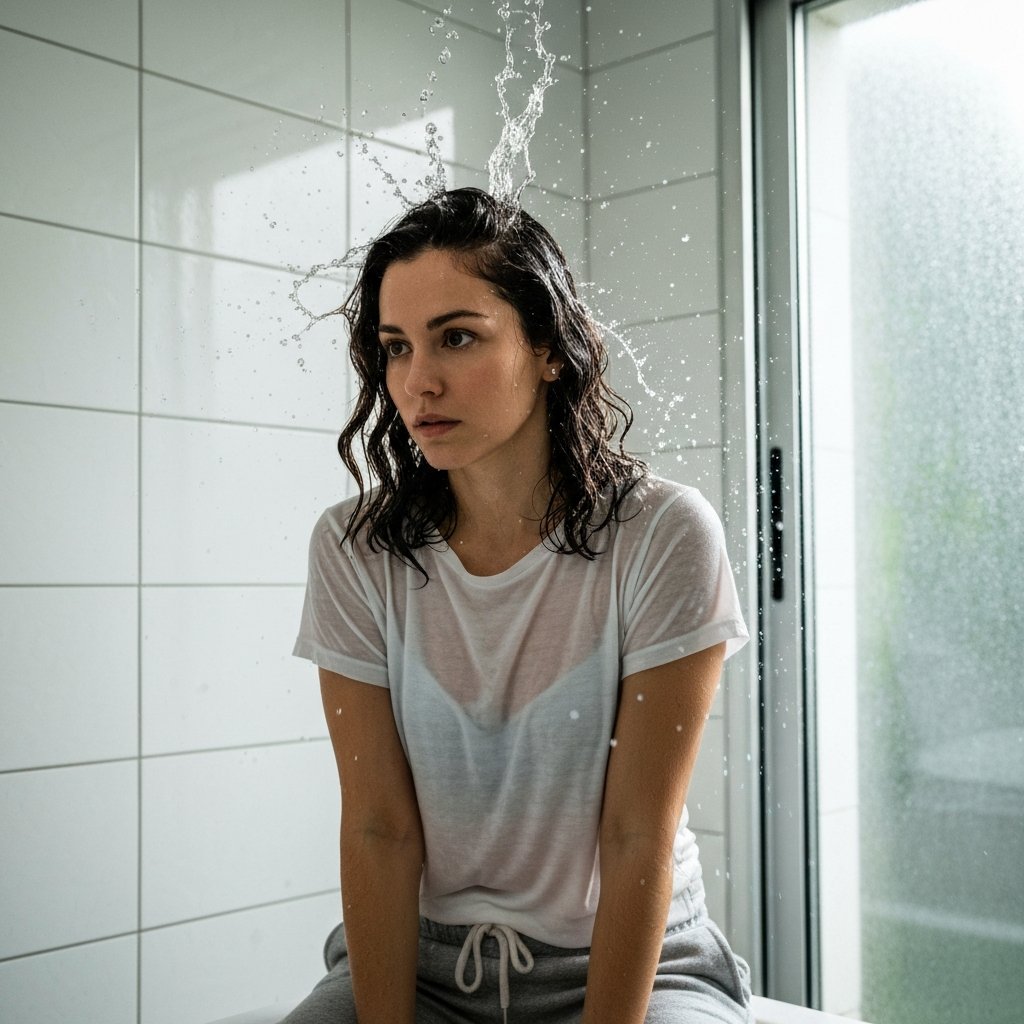
Water temperature plays a crucial role as well. Hot water swells the hair cuticle, allowing the pigment and gloss molecules to escape. Rinsing with lukewarm or cool water helps keep the cuticle tight and the shine locked in. Additionally, incorporating a UV-protectant spray into the daily routine can prevent the sun from oxidizing the color and dulling the finish. Think of the gloss as a topcoat for nails; it protects what is underneath, but it also needs protection itself to remain pristine.
Heat styling should be approached with caution. High heat can burn off the toner and damage the cuticle, negating the smoothing effects of the gloss. Always use a high-quality heat protectant before using blow dryers, flat irons, or curling wands. With proper care, a professional gloss can maintain its vibrancy for 4 to 6 weeks, gradually fading back to the natural tone without leaving a harsh line or off-tone residue.
Tips for Maximizing Your Gloss Results
- Clarify Beforehand: If you have heavy product buildup or hard water deposits, ask for a clarifying treatment or a "chelating" shampoo before the gloss application to ensure an even canvas.
- Pair with a Trim: Split ends can disrupt the light reflection that glossing aims to achieve. Pairing a gloss with a dusting or trim ensures the shine extends all the way to the ends.
- Wait to Wash: Try to wait at least 24 to 48 hours after your appointment before washing your hair. This allows the cuticle to fully set and the molecules to stabilize.
- Deep Condition: Alternate your routine with a moisture mask once a week. While the gloss conditions, adding hydration helps maintain the elasticity and softness of the hair.
- Avoid Chlorine: Swimming pools are harsh on hair color. If you swim, wet your hair with fresh water and apply a leave-in conditioner before entering the pool to create a barrier against chlorine.
Frequently Asked Questions (FAQ)
Q: Will a hair gloss cover my gray hair completely?
A: No, a hair gloss is translucent. It will stain gray hairs, helping them blend with your natural color, but it will not provide the opaque, solid coverage of permanent dye. It creates a highlighted, multi-dimensional effect rather than a solid blanket of color.
Q: Can I get a gloss if I have virgin (uncolored) hair?
A: Absolutely. A clear gloss is an excellent treatment for virgin hair. It adds high-impact shine and softness without altering your natural pigment. It serves as a deep conditioning treatment that enhances your natural beauty.
Q: Is hair glossing damaging to the hair?
A: Generally, no. Glosses are acidic and usually ammonia-free, meaning they close the cuticle rather than blowing it open. Most formulations contain conditioning agents that leave the hair healthier than before the treatment.
Q: How often should I get a hair gloss?
A: Most stylists recommend getting a gloss every 4 to 6 weeks. This aligns well with standard haircut or root touch-up intervals. However, because it is gentle, it can be done more frequently if desired.
Q: Can I do a hair gloss at home?
A: There are many at-home glossing products available, but they differ from salon treatments. Salon glosses are custom-mixed for your specific tonal needs and use professional-grade developers. At-home versions are often more like deep conditioners with temporary pigment. For color correction, a professional is always recommended.
Q: Will a gloss lighten my dark hair?
A: No. Glosses are deposit-only treatments. They cannot lift or lighten hair color. If you want to go lighter, you will need a service involving bleach or permanent color with a higher developer.
Conclusion
Hair glossing represents the perfect marriage of hair health and aesthetic enhancement. It offers a solution for the most common hair complaints—dullness, brassiness, and rough texture—without the commitment or damage associated with traditional coloring methods. Whether used to maintain the cool tones of a platinum blonde, add richness to a deep brunette, or simply give virgin hair a mirror-like finish, the versatility of glossing makes it a staple in modern hair care.
By understanding the science behind the acidic pH and the protective nature of the treatment, individuals can see why this service is more than just a trend. It is a maintenance strategy for long-term hair integrity. As we continue to prioritize health-conscious beauty choices, the hair gloss stands out as a treatment that delivers immediate gratification with lasting benefits. Consult with a professional stylist to discover the custom gloss formulation that will unlock the full potential of your hair's shine and color.


