DIY Hair Masks for Damaged Hair: Natural Ingredients That Work | The Ultimate Guide to Restoration
Introduction: The Power of Nature for Hair Restoration
In the pursuit of perfect hair, strands often endure a barrage of stressors. From the scorching heat of flat irons and blow dryers to chemical processing and environmental pollutants, hair cuticles take a beating daily. The result is often dry, brittle, and lifeless locks that seem beyond repair. While professional salon treatments are invaluable for deep structural repair, maintaining hair health between visits is equally crucial. This is where DIY hair masks for damaged hair come into play, offering a bridge between professional care and home maintenance.
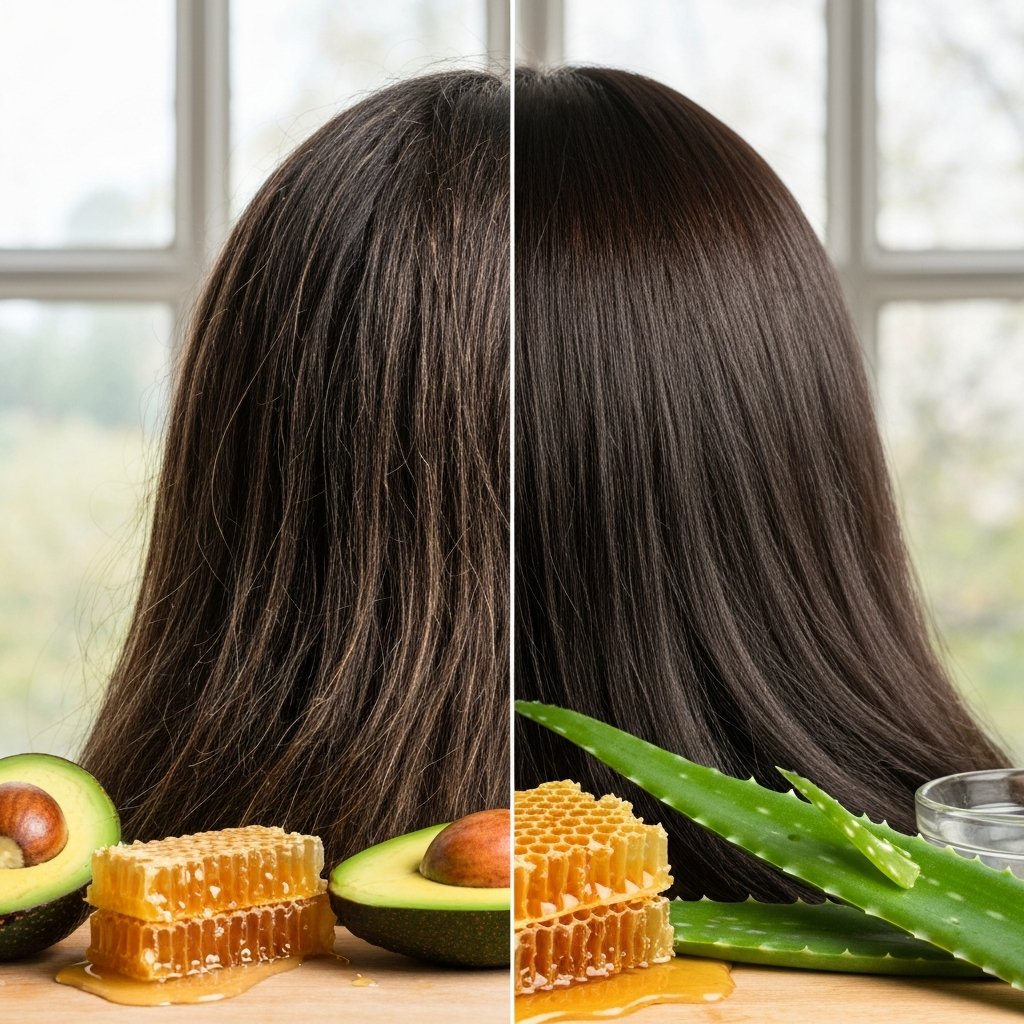
Nature provides an abundance of potent ingredients capable of penetrating the hair shaft, sealing the cuticle, and restoring lost elasticity. Unlike some commercial products that may rely on silicones to provide a temporary cosmetic coating, natural ingredients often work to nourish the hair from the inside out. Ingredients like avocado, coconut oil, honey, and yogurt are not just breakfast staples; they are complex chemical powerhouses packed with fatty acids, proteins, and humectants designed to rehabilitate distressed tresses.
This comprehensive guide explores the science and application of effective home remedies. We will delve into specific recipes tailored for different types of damage, explaining exactly why these ingredients work and how to apply them for professional-level results. Whether dealing with split ends, heat damage, or chemical fatigue, there is a natural solution waiting in the pantry.
Understanding Hair Damage: What Your Strands Are Telling You
Before diving into the recipes, it is essential to understand the anatomy of hair damage. The hair shaft consists of three layers: the medulla (innermost), the cortex (middle, providing strength and color), and the cuticle (outermost protective layer). When hair is healthy, the cuticle scales lie flat, reflecting light and retaining moisture. When hair is damaged, these scales lift, chip, or break away entirely.

The Signs of Distress
Identifying the type of damage is the first step toward selecting the right DIY hair masks for damaged hair. Heat damage typically manifests as frayed ends and a loss of natural curl pattern. Chemical damage, often caused by bleaching or coloring, leaves hair feeling gummy when wet and straw-like when dry due to the breakdown of disulfide bonds. Mechanical damage, caused by rough brushing or tight hairstyles, results in breakage along the mid-shaft.The Role of Porosity
Porosity refers to the hair's ability to absorb and retain moisture. Damaged hair is often highly porous; it absorbs water quickly but loses it just as fast because the cuticle gaps are too wide. The goal of natural hair masks is to fill these gaps with proteins and seal them with lipids (fats), effectively mimicking the function of a healthy cuticle. Understanding this balance between protein (for strength) and moisture (for elasticity) is the key to successful DIY treatments.1. The Deep Hydration Hero: Avocado and Olive Oil Mask
For hair that feels like straw and lacks shine, the combination of avocado and olive oil is a classic remedy for a reason. This mask focuses heavily on lipid replenishment, making it ideal for dry, brittle hair that snaps easily.
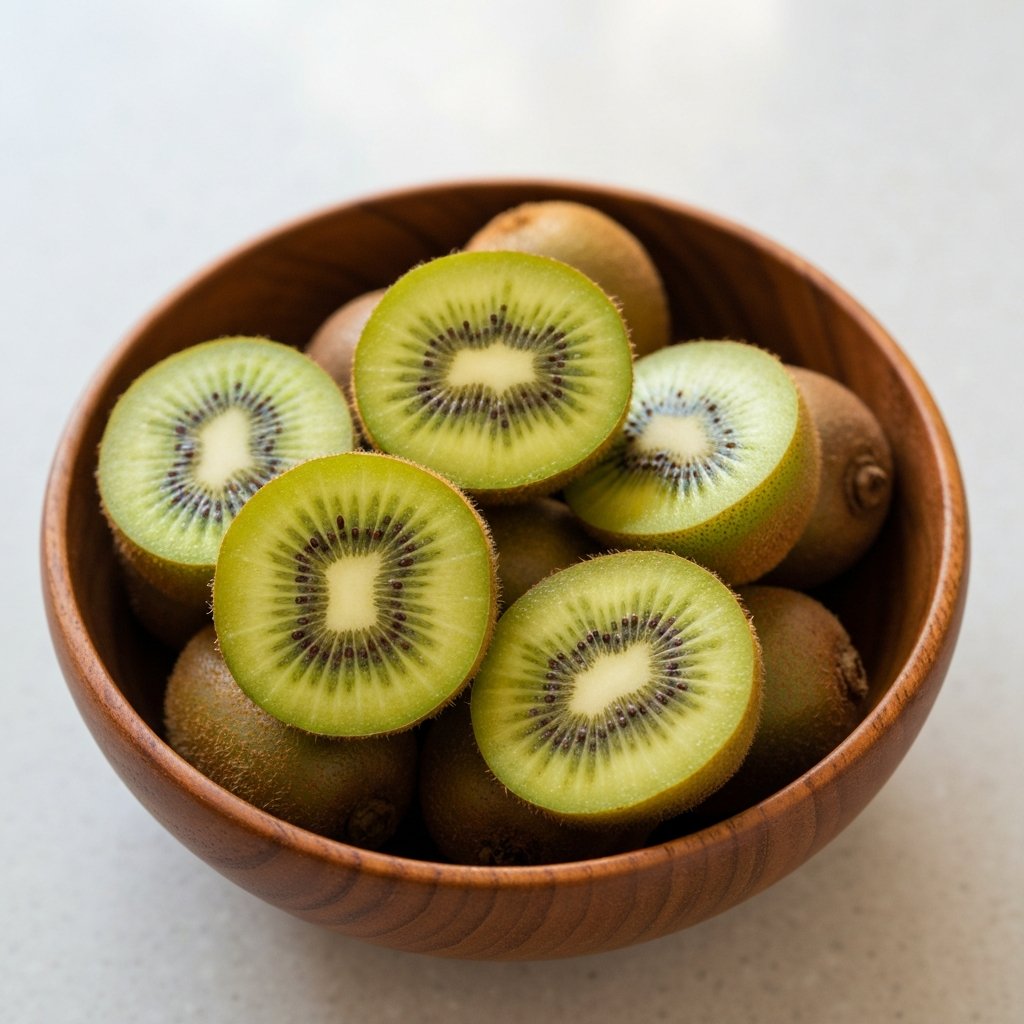
Why It Works
Avocados are rich in biotin, potassium, and magnesium, but their primary benefit for hair lies in their high content of monounsaturated fatty acids. These fats are small enough to penetrate the hair shaft rather than just sitting on top. Olive oil, specifically extra virgin olive oil, contains squalene and oleic acid, which act as emollients to soften the hair and reduce friction between strands.The Recipe
- 1 Ripe Avocado: Pitted and peeled.
- 2 Tablespoons Extra Virgin Olive Oil: Cold-pressed is best.
- 1 Tablespoon Honey: (Optional, for added moisture retention).
Instructions: Mash the avocado until it is completely smooth and lump-free. This step is critical; lumps can dry in the hair and become difficult to rinse out. Whisk in the olive oil and honey until an emulsion forms. Apply to damp hair, focusing heavily on the mid-lengths and ends. Cover with a shower cap and let sit for 30–45 minutes before rinsing with cool water.
2. The Protein Powerhouse: Egg and Greek Yogurt Treatment
Hair is primarily made of keratin, a fibrous protein. When hair is chemically damaged or over-processed, this protein structure weakens. To rebuild strength, a protein-rich mask is necessary. This DIY hair mask for damaged hair utilizes the natural proteins found in eggs and dairy.
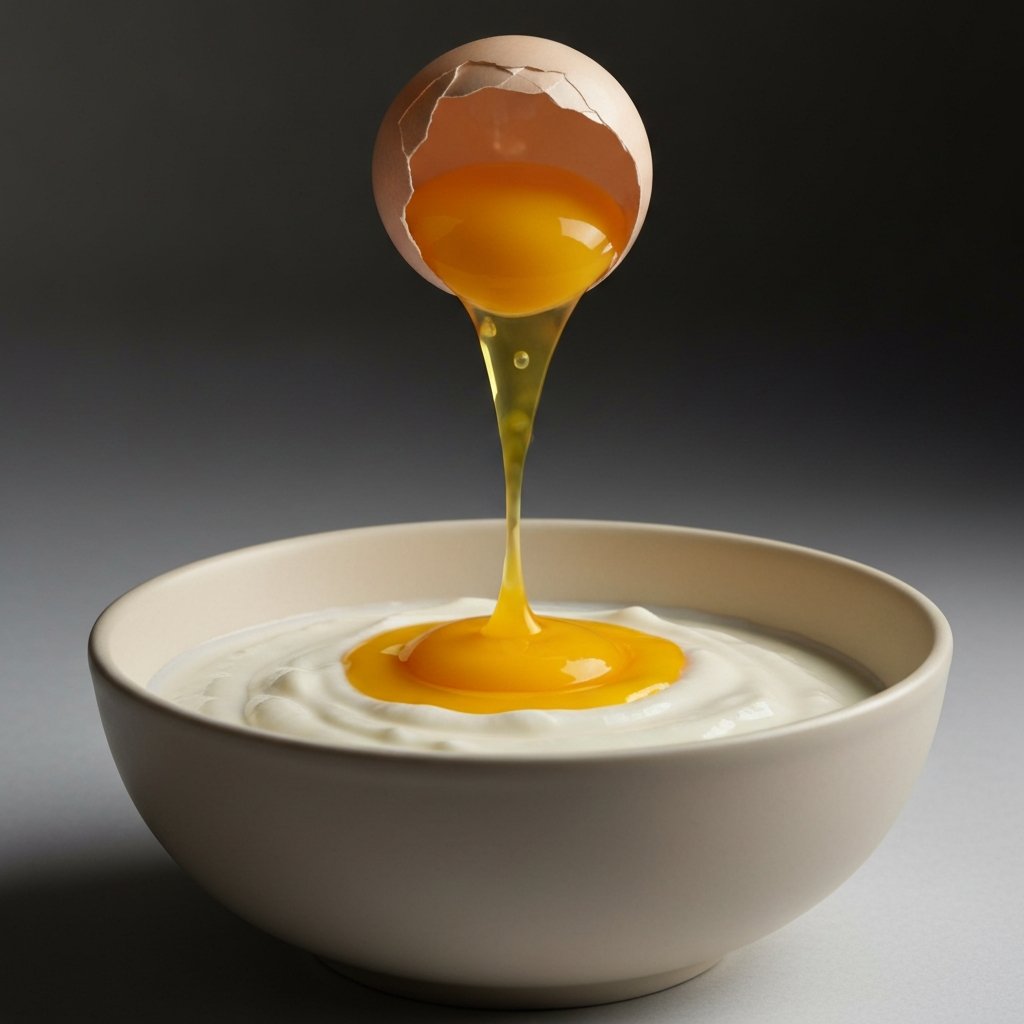
The Science of Strengthening
Eggs are a complete protein source and contain lecithin, which helps to strengthen the hair follicles. The yolk is also rich in fats that condition while the white provides the strengthening enzymes. Greek yogurt contains lactic acid, which gently cleanses the scalp and helps to smooth the cuticle, alongside milk proteins that reinforce the hair shaft.The Recipe
- 1 Whole Egg: (Use two if you have very long hair).
- 2 Tablespoons Plain Greek Yogurt: Full fat is preferred.
- 1 Teaspoon Castor Oil: For thickness and shine.
Instructions: Whisk the egg and yogurt together until creamy. Add the castor oil and mix well. Apply this mixture from roots to ends. Crucial Tip: When rinsing this mask out, ensure the water is cool or lukewarm. Hot water will cook the egg in the hair, making it nearly impossible to remove. Leave on for 20 minutes.
3. The Cuticle Sealer: Coconut Oil and Honey Glaze
Frizz is often a symptom of a raised cuticle layer. To combat this and create a smooth, light-reflective surface, a mask that combines heavy occlusion with humectant properties is required. Coconut oil and honey are the perfect duo for this task.
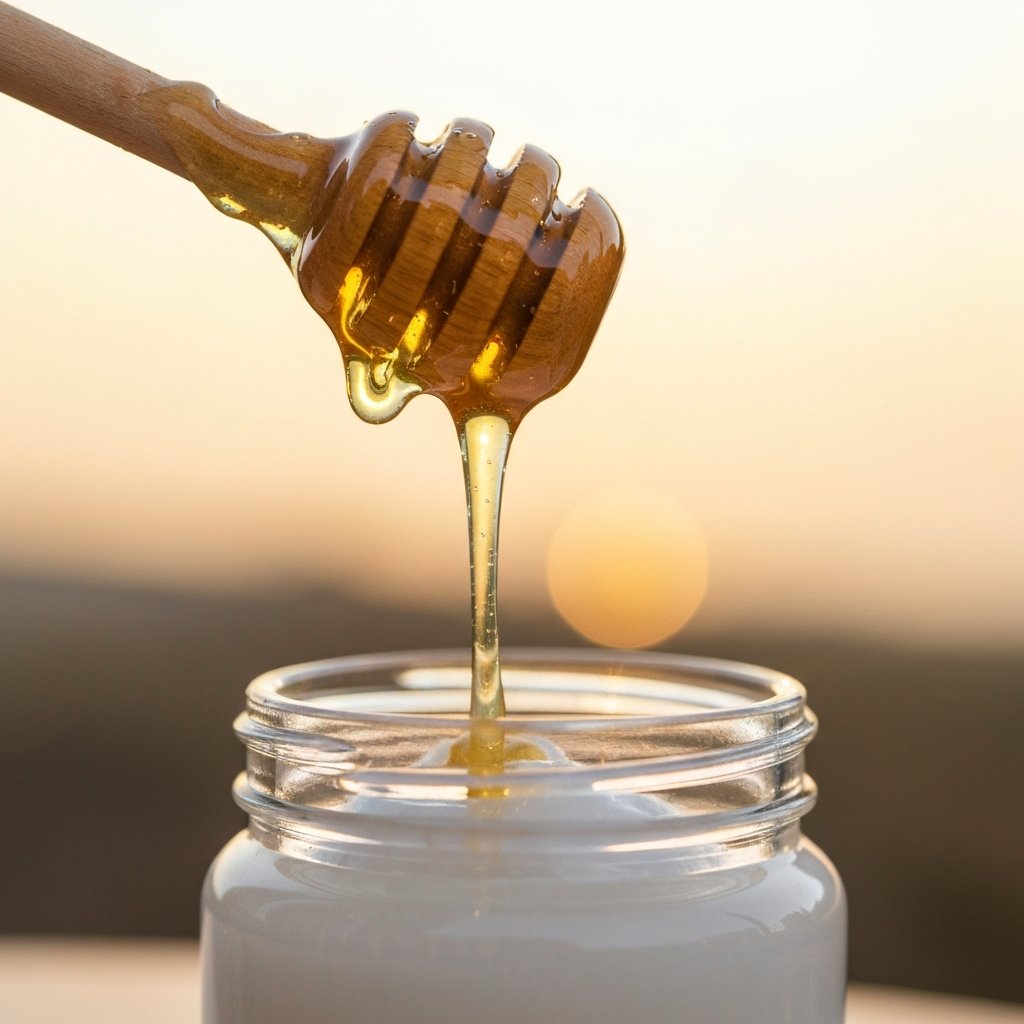
Penetration vs. Sealing
Coconut oil is unique among oils because of its high affinity for hair proteins and low molecular weight, allowing it to penetrate deeper into the hair shaft than almost any other oil. It prevents protein loss during washing. Honey is a natural humectant, meaning it draws moisture from the air into the hair. Together, they hydrate the core of the strand and seal the surface.The Recipe
- 2 Tablespoons Coconut Oil: Melted (but not hot).
- 1 Tablespoon Raw Honey: Manuka honey is excellent if available.
- 1 Teaspoon Apple Cider Vinegar: To balance pH.
Instructions: Mix the melted coconut oil and honey. Stir in the apple cider vinegar. The vinegar helps to lower the pH of the mixture, which encourages the hair cuticle to lay flat. Apply to damp, towel-dried hair. This mask can be sticky, so sectioning the hair is recommended for even distribution. Leave for 40 minutes, then shampoo thoroughly.
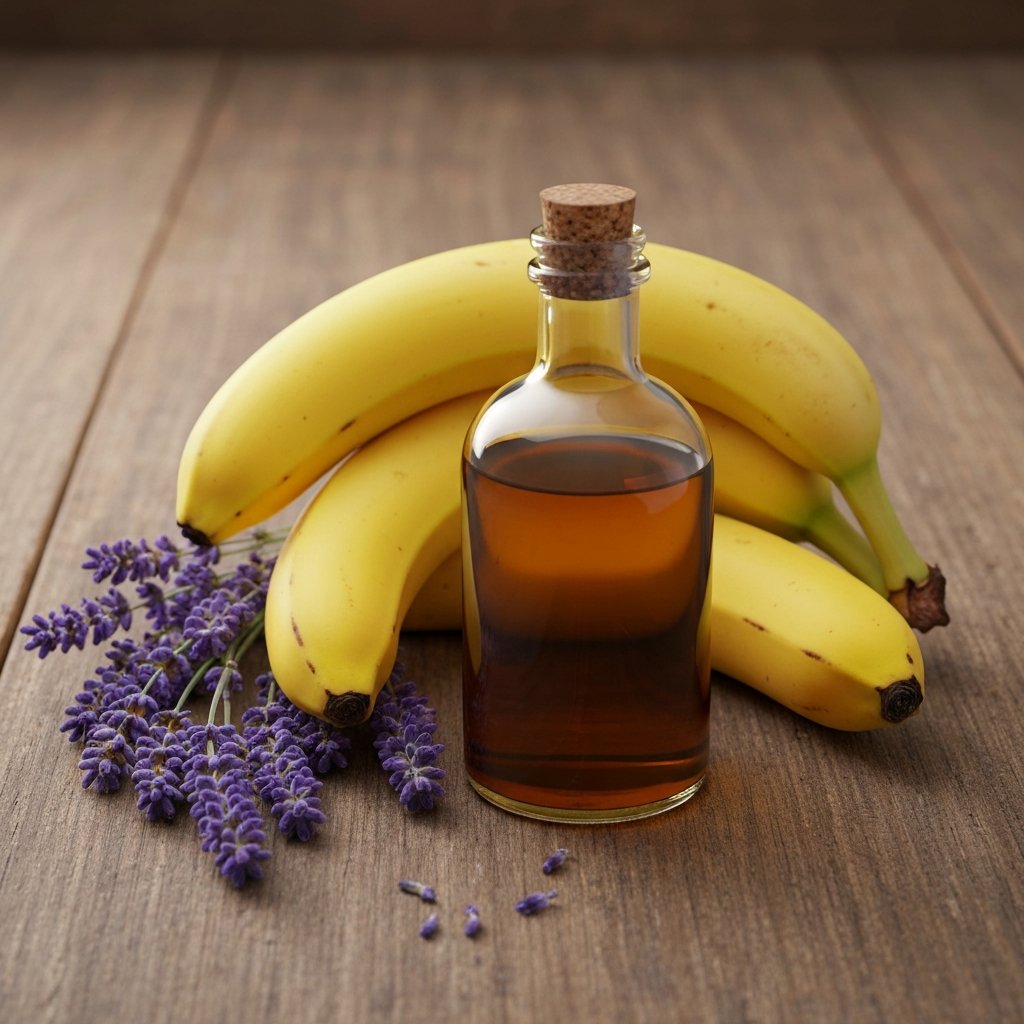
4. The Elasticity Booster: Banana and Almond Oil Blend
If hair stretches and breaks immediately, it lacks elasticity. Bananas are often overlooked in the world of DIY hair masks for damaged hair, but they are incredibly effective at improving the hair's natural stretch and bounce.
Mineral Magic
Bananas are rich in silica, a mineral element that helps the body synthesize collagen and makes hair stronger and thicker. They also contain antimicrobial properties that can help with a dry, itchy scalp. Almond oil is rich in Vitamin E, a natural antioxidant that protects the hair from environmental oxidative stress (like UV rays and pollution).The Recipe
- 1 Ripe Banana: The browner, the better.
- 1 Tablespoon Sweet Almond Oil.
- 2 Drops Lavender Essential Oil: For a soothing scent and scalp health.
Instructions: Blend the banana in a blender or food processor. Mashing with a fork is rarely sufficient to get the smooth texture required to prevent residue. Mix in the oils. Apply generously to the hair, pile it on top of the head, and cover. Let it sit for 30 minutes. Rinse thoroughly.
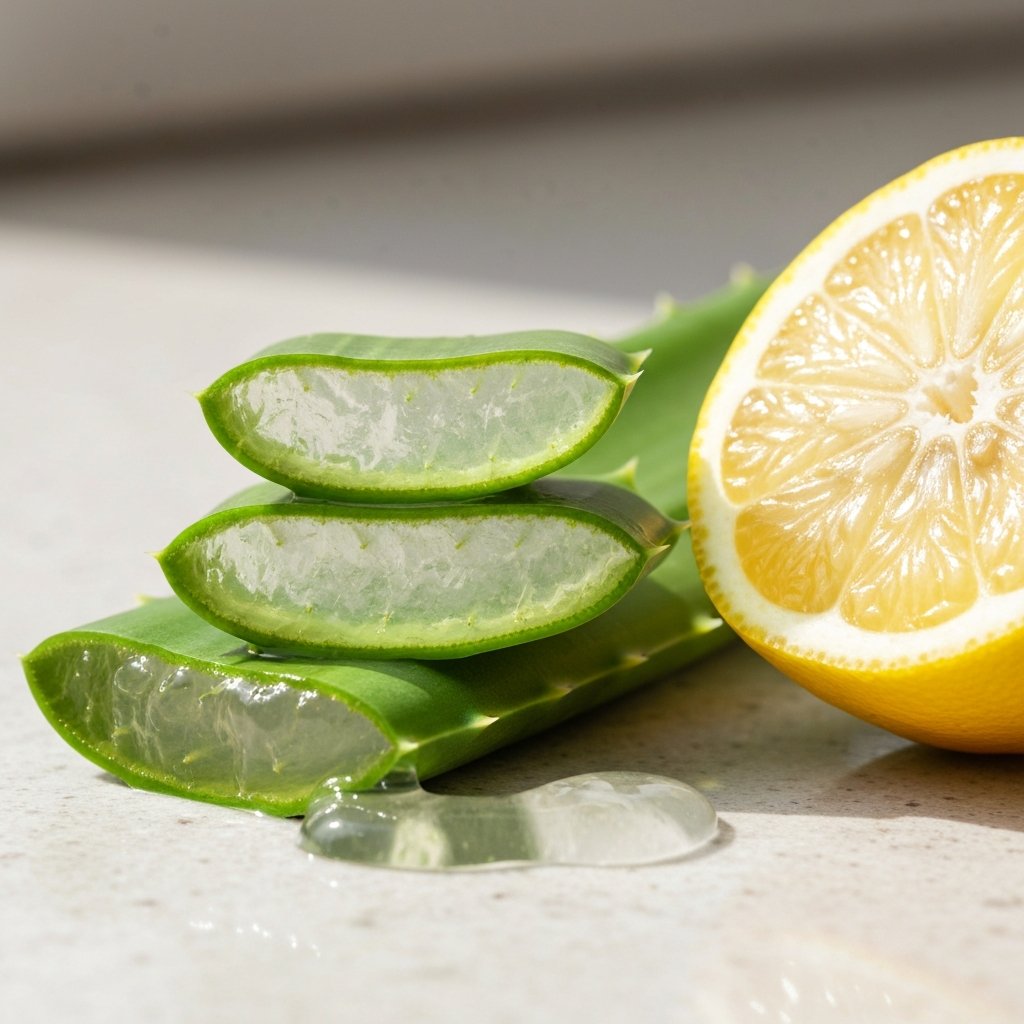
5. Scalp and Strand Detox: Aloe Vera and Lemon Juice
Sometimes damage is exacerbated by product buildup, which prevents moisture from entering the hair shaft. A clarifying and pH-balancing mask can reset the hair's ability to absorb nutrients.
Enzymatic Restoration
Aloe vera contains proteolytic enzymes which repair dead skin cells on the scalp. It also acts as a great conditioner and leaves hair smooth and shiny. Lemon juice is acidic and helps to strip away silicone buildup and balance the scalp's pH levels, though it must be used sparingly and diluted.The Recipe
- 3 Tablespoons Aloe Vera Gel: Fresh from the leaf is best, but store-bought pure gel works.
- 1 Teaspoon Fresh Lemon Juice.
- 1 Teaspoon Argan Oil.
Instructions: Mix ingredients in a small bowl. Massage into the scalp first, then pull through to the ends. This is a lighter mask and feels more like a serum. Leave it on for 20 minutes before rinsing with cool water. This is particularly good for oily hair types that still suffer from damaged ends.
Professional Tips for DIY Mask Application
To get salon-quality results from these kitchen ingredients, application technique is everything. Even the best DIY hair masks for damaged hair will fail if not applied correctly.
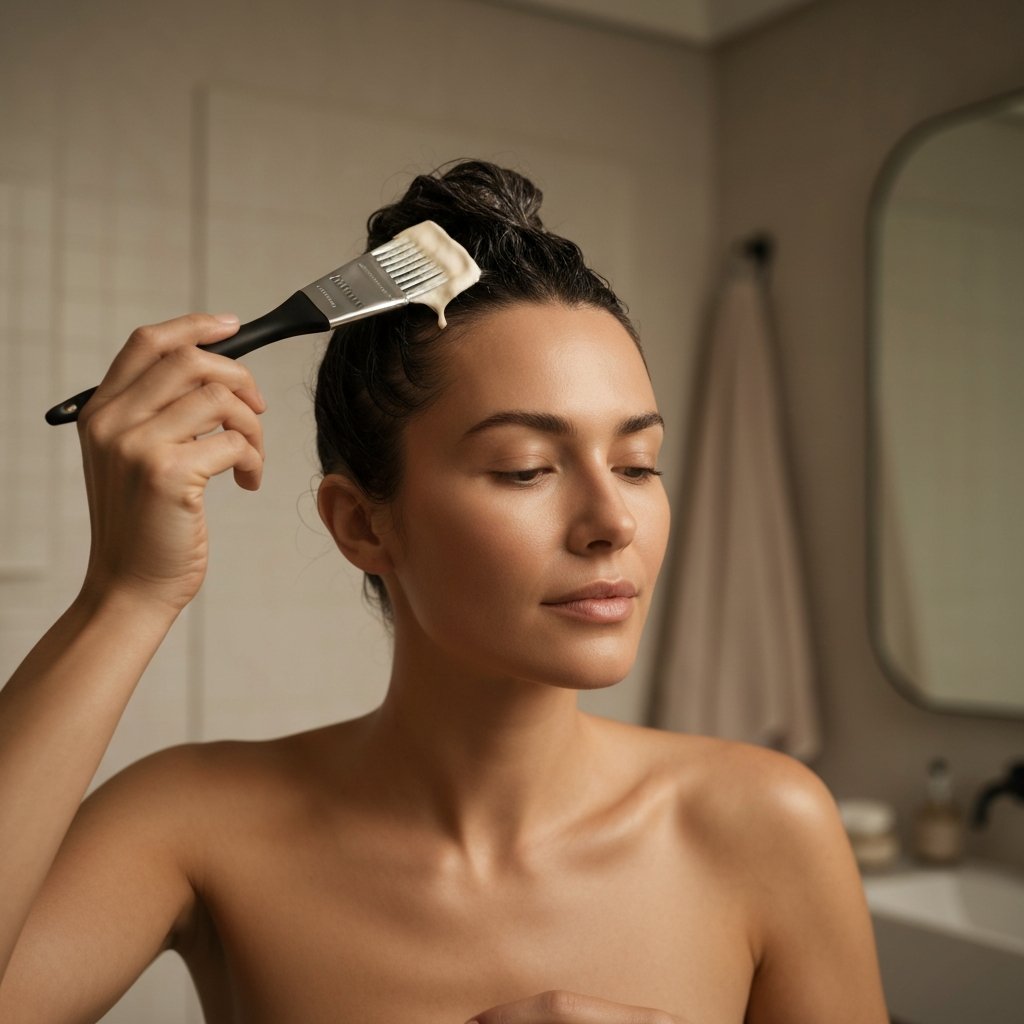
- Start with Clean, Damp Hair: Unless using a heavy oil treatment (like pure coconut oil), most masks penetrate better on damp hair. The water swells the cuticle slightly, allowing the ingredients to enter. However, hair shouldn't be dripping wet, or the product will slide off.
- Use Heat: Heat opens the hair cuticle. Once the mask is applied and the hair is covered with a shower cap, wrap a warm towel around the head or use a blow dryer on a low setting for a few minutes to warm the treatment. This "steaming" effect significantly boosts absorption.
- Section Your Hair: Don't just slap the product on the top layer. Divide hair into four quadrants and apply the mask from the bottom up, ensuring every strand is coated.
- Patch Test: Natural ingredients can still cause allergic reactions. Always test a small amount of the mixture on the inner arm 24 hours before applying it to the scalp.
Frequently Asked Questions (FAQ)
Q1: How often should I use a DIY hair mask for damaged hair? A: For severely damaged hair, once a week is recommended. If the hair is relatively healthy and just needs maintenance, every two weeks is sufficient. Over-masking can lead to product buildup or moisture overload (hygral fatigue).

Q2: Can I leave these masks on overnight? A: It depends on the ingredients. Oil-based masks (coconut, olive, almond) are generally safe to leave overnight. However, masks containing protein (egg, yogurt) or acids (lemon, vinegar) should not be left on for more than an hour, as they can harden or dry out the hair if left too long.
Q3: Are these masks safe for color-treated hair? A: Generally, yes. However, be cautious with lemon juice and honey, as they can have slight lightening effects if used frequently or exposed to sunlight. Avocado and oil-based masks are excellent for preserving color vibrancy.
Q4: Can I save the leftovers of my DIY mask? A: No. Because these recipes contain fresh ingredients like eggs, bananas, and avocados without preservatives, bacteria can grow rapidly. Always make a fresh batch for each treatment.
Q5: Will these masks repair split ends permanently? A: No product, natural or synthetic, can permanently fuse a split end back together. These masks can temporarily seal the split and prevent it from traveling further up the hair shaft, but the only permanent cure for split ends is a trim by a professional stylist.
Q6: Why is my hair stiff after a protein mask? A: This usually means the hair has absorbed too much protein or the mask was left on too long. Follow up with a moisturizing conditioner to restore balance. If hair is stiff, focus on moisture-only masks for the next few treatments.
Conclusion
Reviving damaged hair is a journey that requires patience, consistency, and the right ingredients. By incorporating these DIY hair masks for damaged hair into a regular beauty routine, it is possible to significantly improve the texture, shine, and strength of the hair. These natural remedies offer a holistic approach to hair care, free from harsh chemicals and tailored to specific needs.
However, it is important to remember that while home remedies are powerful, they have their limits. For chemical burns, severe breakage, or hair loss, consulting with a professional stylist at a reputable salon is essential. They can assess the structural integrity of the hair and recommend professional-grade treatments like bond builders or keratin therapies that go beyond what kitchen ingredients can achieve. Treat these DIY masks as a vital part of a maintenance routine, working in harmony with professional care to achieve the luscious, healthy hair everyone deserves.


