How to Choose the Right Hair Brush for Your Hair Type | The Ultimate Professional Guide
How to Choose the Right Hair Brush for Your Hair Type
When we think about upgrading our hair care routine, our minds usually drift toward expensive shampoos, deep conditioning masks, or high-tech heat styling tools. However, one of the most critical elements of hair health is often the most overlooked: the humble hair brush. Using the wrong brush can lead to breakage, split ends, increased frizz, and a lackluster finish. Conversely, knowing how to choose the right hair brush for your hair type can transform your daily routine, stimulating the scalp, distributing natural oils, and ensuring your style lasts longer.
Professional stylists understand that a brush is not just a detangler; it is a precision instrument. The tension of the bristles, the material of the body, and the shape of the brush head all play pivotal roles in how your hair interacts with the tool. Whether you have fine, fragile strands or thick, coarse coils, there is a specific tool designed to maximize your hair's potential. In this comprehensive guide, we will explore the science behind brush selection and help you identify the perfect match for your unique texture.
Understanding Brush Anatomy: Bristles and Materials
Before diving into specific hair types, it is essential to understand the components of a hair brush. The market is flooded with various options, but they generally fall into three main bristle categories, each serving a distinct purpose in hair maintenance and styling.
1. Natural Boar Bristles
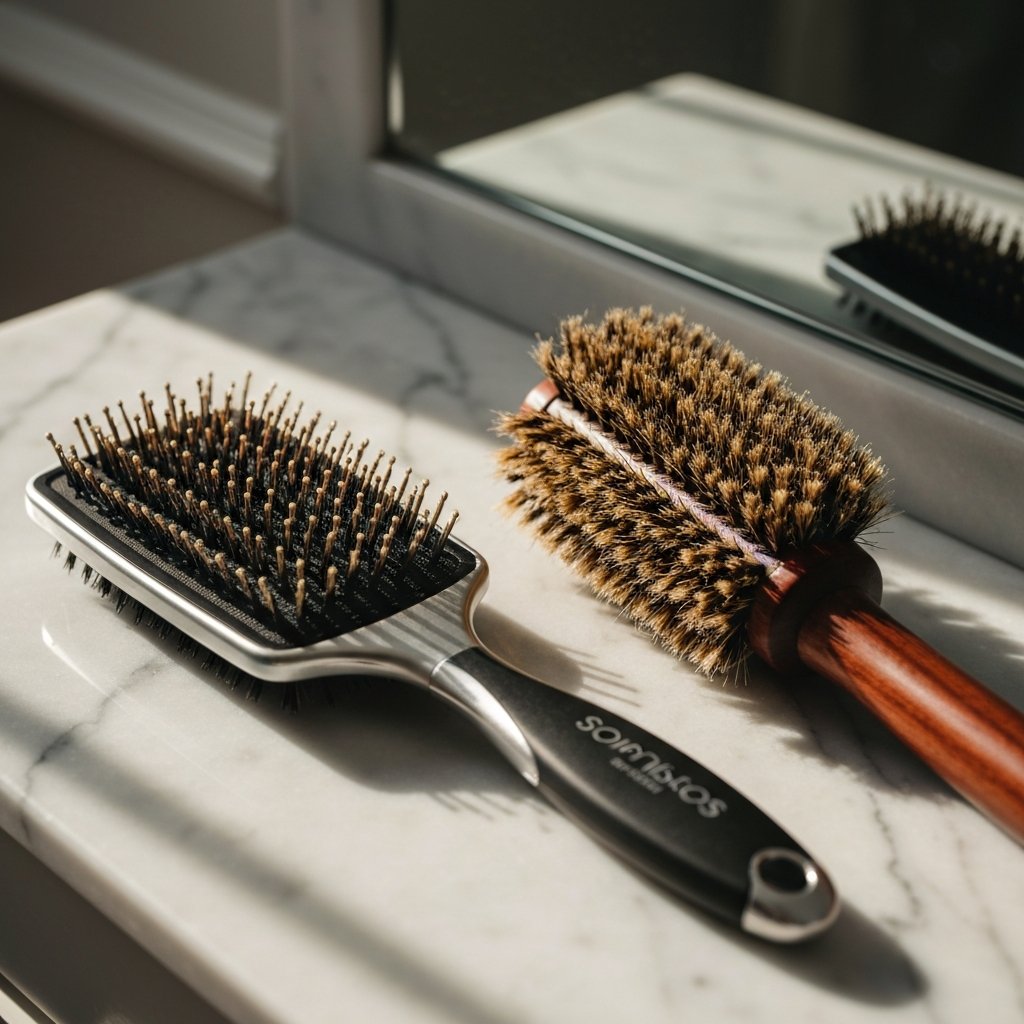
Boar bristle brushes have long been considered the gold standard in hair care. These natural fibers have a unique microscopic structure that resembles human hair scales. This texture allows them to pick up the natural sebum produced at the scalp and distribute it down the length of the hair shaft. This process not only naturally conditions dry ends but also reduces frizz and adds an incredible shine. They provide gentle tension, making them excellent for smoothing and polishing, though they may struggle to penetrate very thick hair on their own.2. Synthetic Nylon Bristles
Nylon bristles are typically stiffer and offer more control than natural bristles. They are heat resistant and are often used in thermal styling brushes. The key feature of a high-quality nylon brush is the "ball tip" at the end of the bristle. These tips prevent the sharp nylon from scratching the scalp or snagging the hair cuticle. Nylon bristles are superior for detangling and penetrating thick, dense sections of hair that boar bristles might skim over.3. Mixed or Porcupine Bristles
Despite the name, these brushes do not contain porcupine quills. Instead, they are a hybrid design featuring tufts of boar bristles surrounding a longer nylon quill. This combination offers the best of both worlds: the nylon quill penetrates the hair to detangle and provide scalp stimulation, while the boar bristles polish the cuticle and distribute oils. This versatile design is often favored by professionals for creating smooth, voluminous blowouts.The Best Brushes for Fine, Thin, or Fragile Hair
Fine hair is characterized by a smaller diameter of individual strands, making it more susceptible to breakage and mechanical damage. If you have thin hair (meaning fewer strands per square inch) or fine hair, your primary goal is to detangle gently without removing volume or causing snap.

The Ideal Tool: 100% Boar Bristle Brush or Soft Flexible Detangler
For dry styling and daily maintenance, a 100% soft boar bristle brush is the champion for fine hair. Because fine hair can easily become weighed down by heavy styling products, relying on your scalp's natural oils is a better strategy. The boar bristles will carry these oils from the roots to the ends, protecting the fragile lengths without the need for heavy serums.
When hair is wet, it is at its most elastic and vulnerable state. Fine hair types should utilize a specialized "wet brush" or a wide-tooth comb with very flexible, widely spaced synthetic bristles. These tools flex with the tangles rather than forcing through them, preventing the "snap" sound that indicates breakage. Avoid round brushes with metal cores for fine hair, as they can heat up too quickly and scorch delicate strands; opt for ceramic or wood instead to moderate the heat.
Taming the Mane: Solutions for Thick and Coarse Hair
Thick hair presents a different set of challenges. The density of the hair means that standard brushes often only groom the top layer, leaving the underneath layers tangled and messy. Coarse hair, which has a larger strand diameter, requires a brush with enough tensile strength to smooth the cuticle effectively.
The Ideal Tool: Nylon Paddle Brush or Mixed Bristle Brush
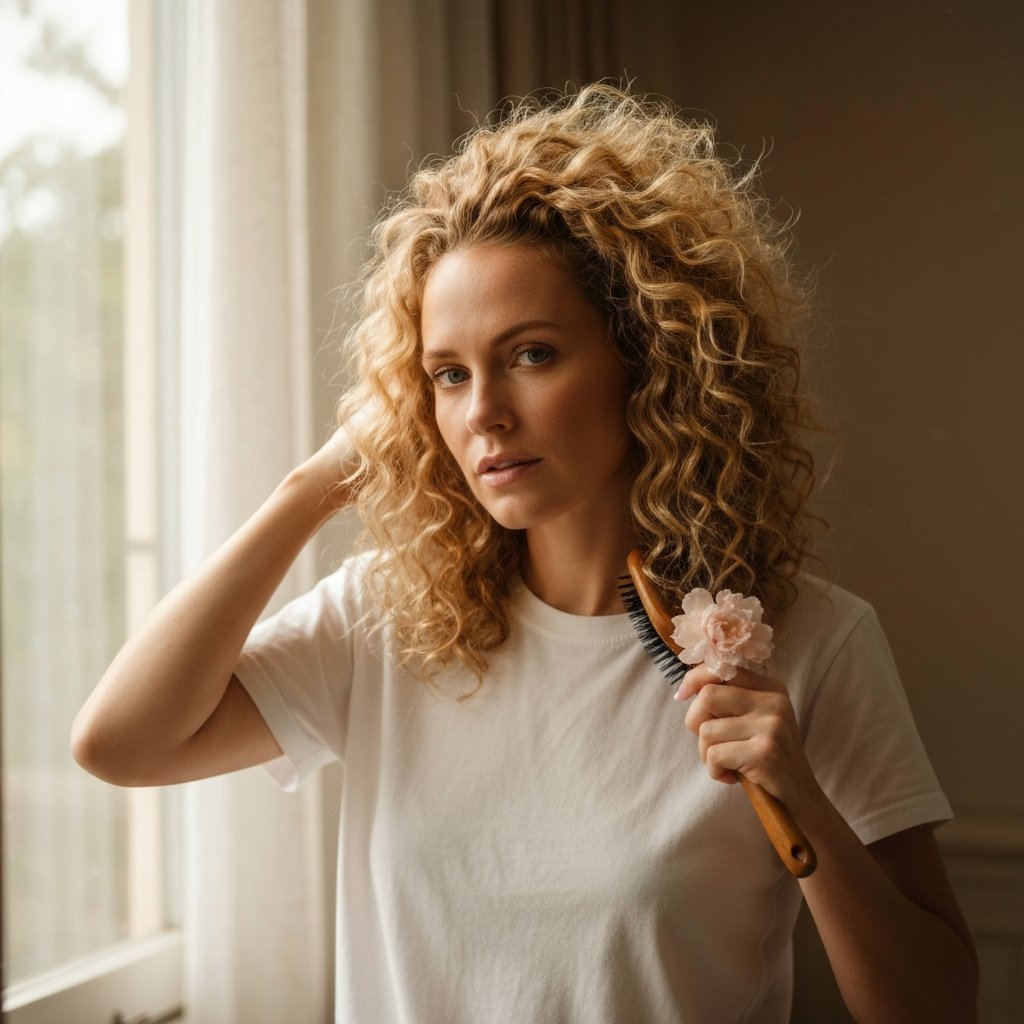
For everyday grooming of thick hair, a large paddle brush with sturdy nylon pins is essential. The wide surface area of a paddle brush allows you to work through large sections of hair quickly, while the stiffer nylon pins can penetrate through the density to reach the scalp. Look for a cushioned base; the air pocket in the pad acts as a shock absorber, reducing the tension on the hair follicle while you work through knots.
When blow-drying thick hair, a mixed bristle round brush is highly effective. The nylon pins grip the heavy hair to create the necessary tension for straightening, while the boar bristles smooth down the typically rougher cuticle of coarse hair to lock in shine. This combination helps reduce the drying time—a major bonus for those with thick manes—by separating the strands and allowing airflow to circulate more efficiently.
Cultivating Curls: Tools for Textured, Curly, and Coily Hair
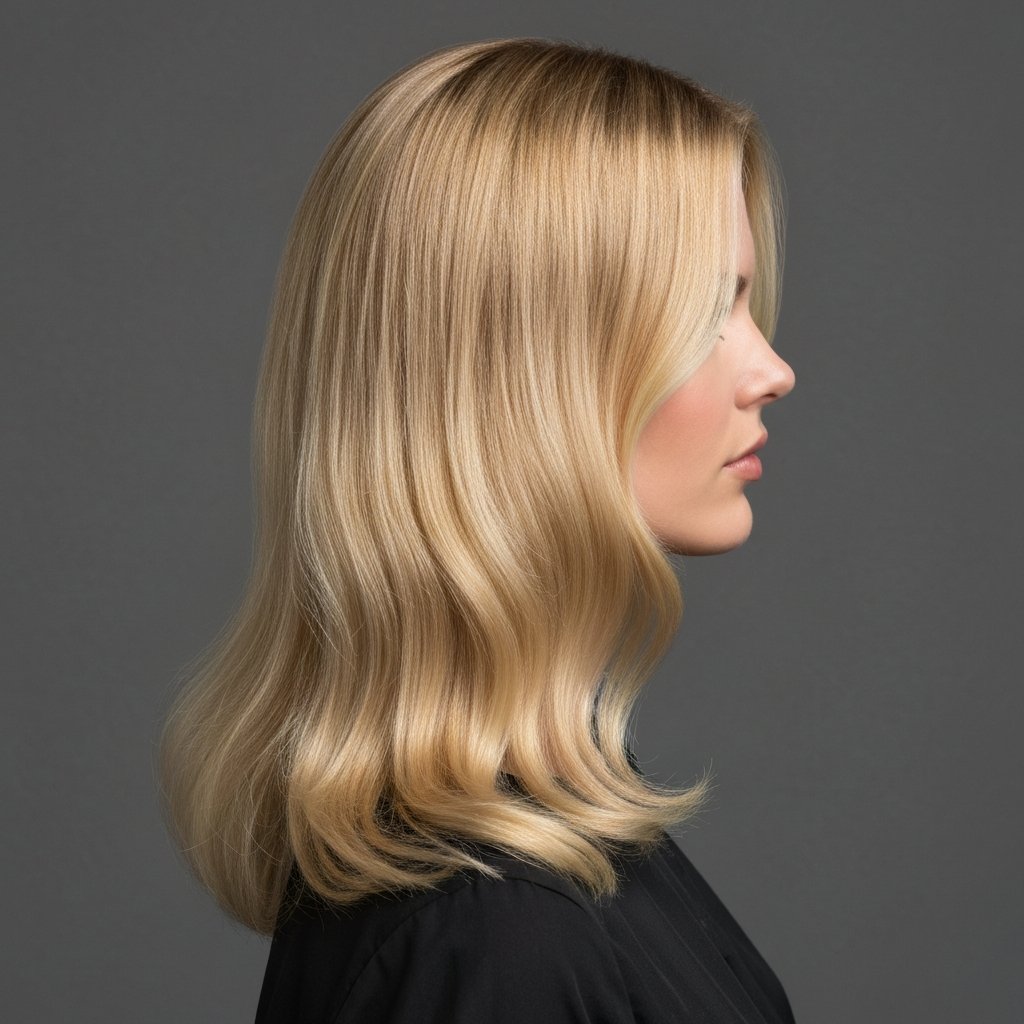
Curly and coily hair types (ranging from 3A to 4C) require a completely different approach to brushing. In fact, traditional "brushing" is often discouraged when the hair is dry, as it disrupts the curl pattern and induces frizz. For these hair types, the brush is primarily a tool for detangling when wet and defining curls during styling.
The Ideal Tool: Wide-Tooth Combs and Denman-Style Brushes
For detangling, a sturdy wide-tooth comb or a brush specifically designed for wet curly hair is non-negotiable. This process should always be done with conditioner or a slip-agent in the hair to minimize friction. Start from the ends and slowly work your way up to the roots.
For styling and definition, a brush with varying rows of stiff nylon pins (often rubber-based to reduce static) is a favorite in the curly community. These brushes allow you to clump curls together while wet, encouraging a uniform spiral pattern as the hair dries. The removable rows in some of these brushes allow for customization; fewer rows result in chunkier clumps, while more rows separate the curls for more volume. Avoid brushes with balls on the tips of the bristles for tight coils, as these can sometimes get caught in the loop of the curl and cause snagging.
The Art of the Blowout: Choosing the Right Round Brush
Achieving a salon-quality blowout at home is almost entirely dependent on using the correct round brush. The size of the barrel determines the style: smaller barrels create tighter curls and waves, while extra-large barrels are used for straightening and volume. However, the material of the barrel is just as important as the size.
Ceramic and Thermal Barrels
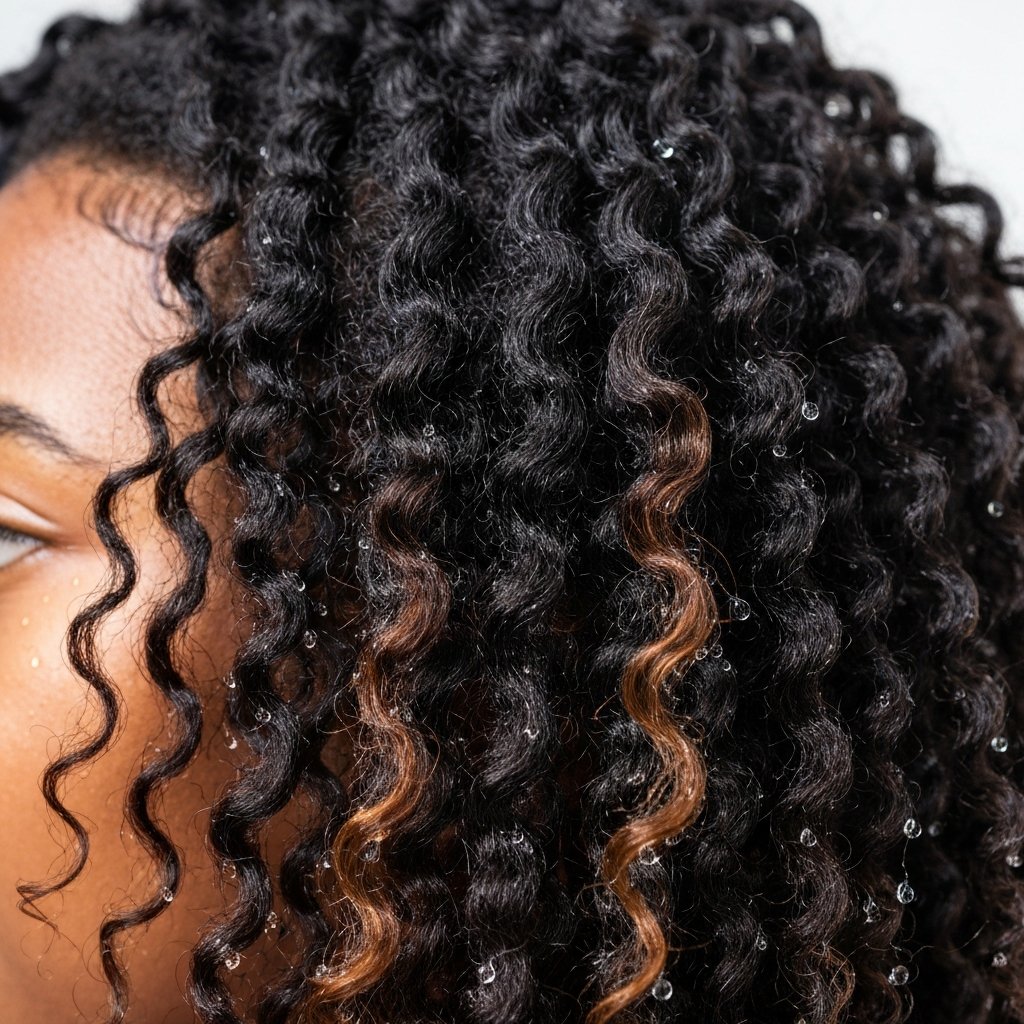
If your goal is to change the shape of your hair—turning wavy hair straight or adding a curl to straight hair—a ceramic or metal thermal brush is ideal. These barrels heat up when used with a blow dryer, effectively acting like a curling iron from the inside out. They help set the shape quickly and are excellent for stubborn or heavy hair.Wooden and Natural Barrels
For those looking to simply smooth the hair and add shine without excessive heat damage, a wooden round brush with boar bristles is the superior choice. The wood does not heat up, meaning the hair is styled purely by the tension and the air from the dryer, not by contact heat. This is the preferred method for maintaining the health of damaged, bleached, or very fine hair.Brush Maintenance and Hygiene
Investing in a high-quality brush is futile if it is not maintained. A dirty brush harbors dust, old product residue, dead skin cells, and scalp oils. Every time you use a dirty brush, you are redepositing this debris back onto your clean hair, which can weigh it down and make it look greasy faster.

To clean your brushes, first remove all loose hair using a comb or a brush cleaning tool. Then, wash the bristles in a mixture of warm water and gentle shampoo. For paddle and cushion brushes, be careful not to submerge the brush fully if it has a hole in the cushion, as water can get trapped inside and lead to mold. Instead, scrub the bristles with a toothbrush dipped in soapy water. Rinse the bristles (facing downward) and lay the brush face down on a towel to dry. This prevents water from seeping into the handle or cushion. Aim to deep clean your brushes at least once a month.
Expert Tips for All Hair Types
Regardless of your specific hair type, there are universal rules for brushing that professional stylists recommend to maintain hair integrity.

- Never Brush Wet Hair with a Boar Bristle Brush: Natural bristles are too dense and can pull wet, elastic hair to the breaking point. Save the boar bristles for dry styling.
- Brush Before You Wash: Detangling your hair before getting in the shower reduces the amount of hair that clogs your drain and allows for a more effective cleanse.
- Start from the Bottom: Always begin brushing a few inches from the ends and work your way up. Starting at the root and dragging the brush down pushes all the knots into one large tangle, causing unnecessary damage.
- Check Your Bristles: If the protective balls on your nylon brush have fallen off, or if your boar bristles are splitting and looking ragged, it is time to replace the brush. Sharp, damaged bristles are a leading cause of microscopic tears in the hair shaft.
Frequently Asked Questions
Q: How often should I replace my hair brush?
A: Generally, a good quality hair brush should be replaced every 6 to 12 months, depending on usage and quality. If you notice missing bristles, a cracked bed, or if the brush no longer feels comfortable on your scalp, it is time for a new one.
Q: Can brushing my hair cause hair loss?
A: Normal brushing does not cause hair loss, but aggressive brushing or using the wrong tool can lead to traction alopecia or breakage. It is normal to shed between 50 and 100 strands a day, which often come out in the brush. If you notice significantly more, consult a professional.
Q: Is there a specific brush for extensions?
A: Yes. Loop brushes are designed specifically for hair extensions. The bristles are looped so there are no raw ends to snag on the bonds, tape, or wefts of the extensions, ensuring they stay secure.
Q: Does brushing 100 strokes a day really help?
A: The "100 strokes" myth is outdated. While brushing does distribute oils, excessive brushing can cause friction damage. Brush enough to detangle and style, but do not overdo it.
Q: Why does my hair get static when I brush it?
A: Static is caused by friction, often exacerbated by dry air and plastic brushes. Switching to a wooden brush or one with natural boar bristles can help neutralize the electric charge. Additionally, spraying a light mist of hairspray on the brush before use can tame static.
Conclusion
Selecting the right hair brush is a personalized journey that requires an understanding of your hair's unique texture and needs. Whether you are smoothing out a coarse mane with a nylon paddle brush or gently coaxing shine from fine strands with boar bristles, the right tool acts as an extension of your hand, enabling you to achieve salon-worthy results at home. By assessing your hair type and investing in high-quality tools, you are taking a proactive step toward long-term hair health. Remember, your hair is the crown you never take off—treat it with the care and precision it deserves by choosing the perfect brush.


