How to Fix Crunchy Hair After Bleaching: The Ultimate Moisture Recovery Plan | Expert Hair Care Guide
Introduction: The Panic of the "Straw" Effect
There is a distinct moment of panic that many individuals experience shortly after rinsing out lightener. You run your fingers through your wet hair, expecting the silky glide of fresh color, but instead, you are met with a texture that feels stiff, tangled, and alarmingly similar to wet straw. Once it dries, the situation often worsens; the hair becomes rigid, makes a rustling sound when moved, and feels undeniably "crunchy" to the touch. If this scenario sounds familiar, you are dealing with the classic aftermath of chemical dehydration and protein structure compromise.

Bleaching is an inherently invasive chemical process. To lift pigment from the hair shaft, the bleach must raise the outer cuticle layer and oxidize the melanin within the cortex. When this process is aggressive, or if the hair was already porous, the cuticle can remain stuck open, and the internal bonds of the hair can shatter. The result is hair that cannot hold moisture, lacks elasticity, and feels brittle. However, panic is the enemy of progress. While you cannot "undamage" hair in the sense of reverting it to its virgin state, you can significantly repair the structure, restore moisture, and smooth the cuticle to eliminate that crunchy texture.
This comprehensive guide outlines a professional-grade moisture recovery plan designed to rehabilitate chemically compromised hair. From immediate SOS steps to long-term maintenance routines, this article covers the science of hair repair and practical methods to turn that straw-like texture back into silk. By understanding the balance between protein and moisture, utilizing bond-building technology, and adjusting your daily habits, it is entirely possible to save your blonde and enjoy healthy, touchable hair once again.
The Science Behind the Crunch: What Happened to Your Hair?
To effectively fix crunchy hair after bleaching, it is crucial to understand exactly what is happening on a microscopic level. Healthy hair possesses a protective outer layer called the cuticle, which resembles shingles on a roof. When these shingles lie flat, they seal in moisture and reflect light, giving hair its shine and softness. Inside the cuticle lies the cortex, which contains keratin proteins and disulfide bonds that give hair its strength and elasticity.
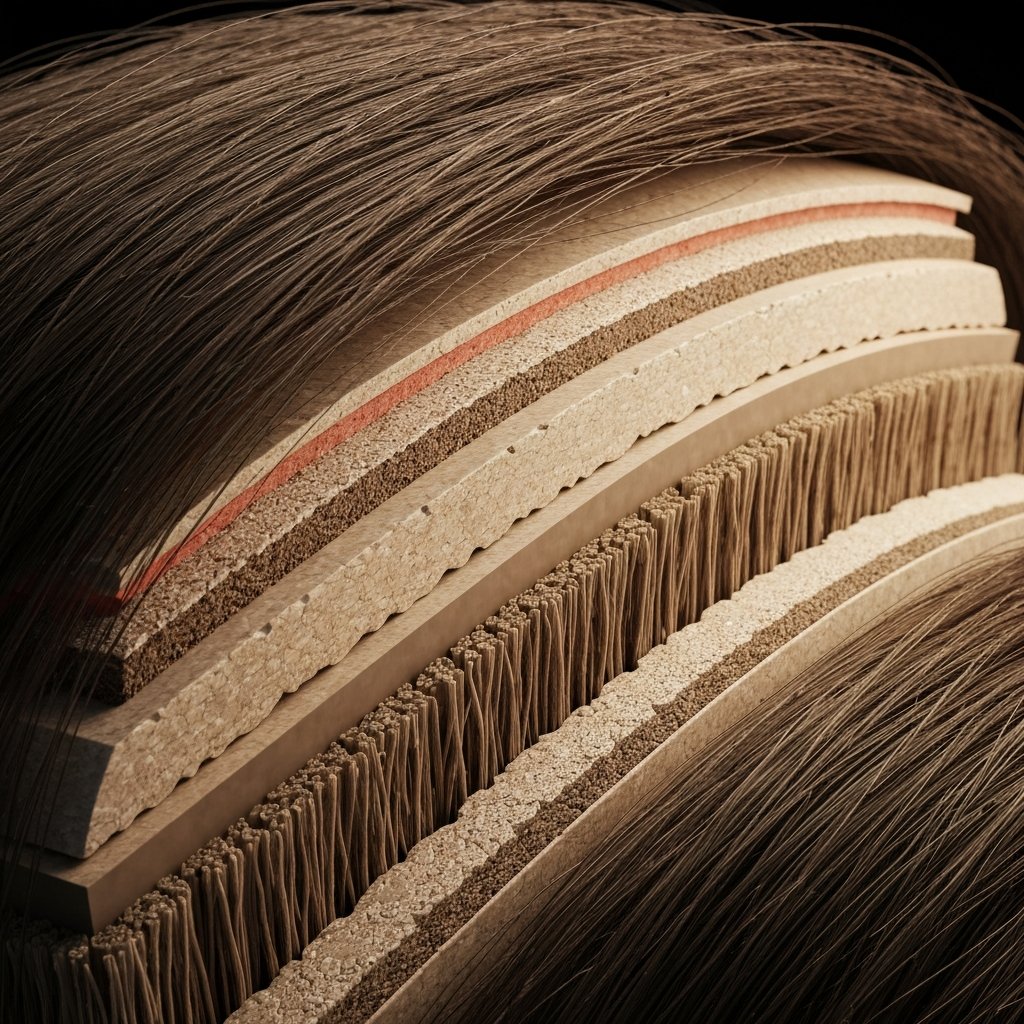
When bleach is applied, it utilizes an alkaline agent to force the cuticle scales open aggressively. This allows the peroxide to penetrate the cortex and dissolve the natural pigment molecules. Unfortunately, this process also strips away the hair's natural fatty acids (lipids) and breaks down a significant number of disulfide bonds. The "crunchy" feeling is essentially a symptom of extreme porosity and structural weakness. The hair is so porous that it absorbs water instantly but loses it just as fast, leading to severe dehydration.
Furthermore, the rigidity often comes from a lack of elasticity. Healthy hair stretches when pulled; damaged hair snaps. The stiffness suggests that the protein structure has been hardened or compromised, often exacerbated by an incorrect pH balance left after the coloring process. If the hair's pH is not returned to its natural acidic state (around 4.5-5.5), the cuticle remains swollen and open, creating that rough, friction-heavy texture that feels like straw. Addressing this requires a multi-faceted approach targeting pH balance, hydration, and bond repair.
Phase 1: The SOS Protocol (First 48 Hours)
The first 48 hours after realizing your hair is damaged are critical. Many people make the mistake of immediately washing their hair again or applying heavy heat to smooth it out, which can lead to breakage. The first rule of the SOS protocol is to step away from all thermal tools. No blow dryers, no flat irons, and absolutely no curling wands. Your hair is in a fragile state where the internal moisture content is critically low; applying heat now will boil any remaining moisture within the shaft, causing "bubble hair" and irreversible breakage.
During this initial phase, avoiding shampoo is also advisable. Your scalp produces natural oils (sebum) that are incredibly healing for the hair fiber. Allow these oils to travel down the hair shaft as much as possible. If you must wet your hair, use cool water only. Hot water opens the cuticle further, stripping moisture, while cool water helps to seal the cuticle down, locking in whatever hydration exists and smoothing the surface texture.
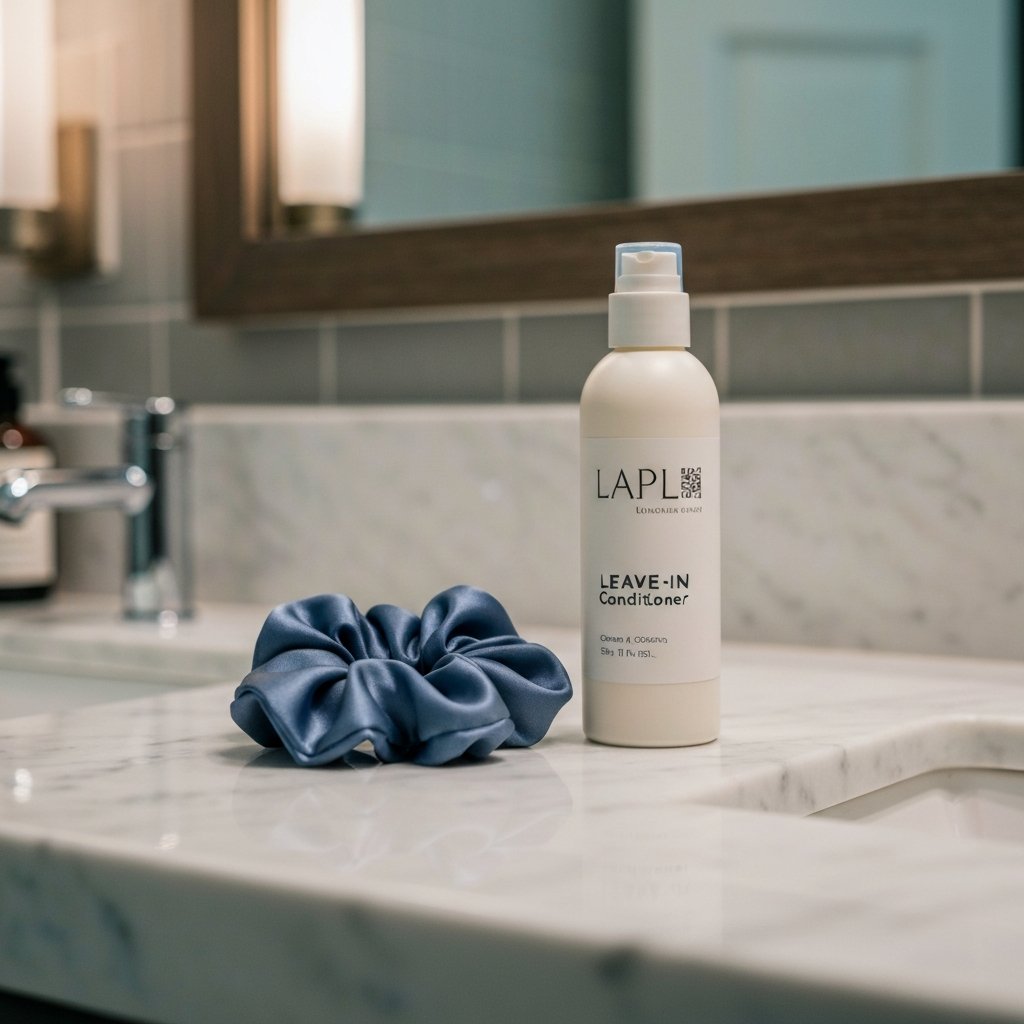
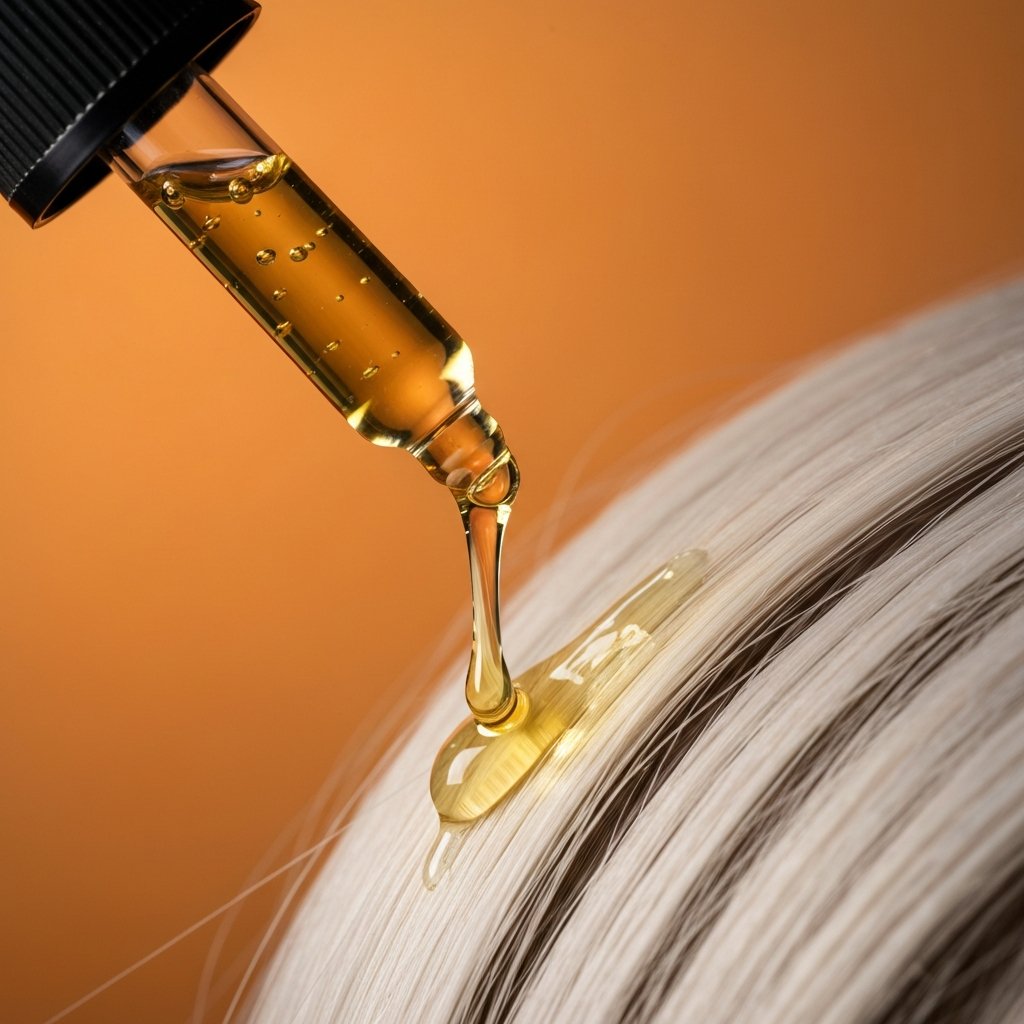
Immediate product intervention should focus on a leave-in conditioner with a low pH or a specific cuticle sealer. If you have access to a professional salon supply, look for a post-color sealer. At home, saturating the mid-lengths and ends with a lightweight, penetrating oil like Argan or Jojoba oil can provide a temporary lipid barrier that mimics the hair's natural oils. Do not put your hair in tight ponytails or buns during this time; the tension can cause the brittle strands to snap at the band. Use a silk scrunchie or a claw clip and handle the hair as little as possible.
Phase 2: The Moisture vs. Protein Balance
One of the most common mistakes in trying to fix crunchy bleached hair is misdiagnosing the problem as solely a lack of moisture. While dryness is a major factor, the "crunch" can also be a sign of protein overload or a desperate need for protein, depending on the hair's elasticity. This is known as the Protein-Moisture Balance. Bleached hair almost always needs both, but the order and ratio matter immensely.

If your hair feels hard, rough, and snaps immediately when stretched, it is likely brittle and suffering from moisture deficiency (or potentially protein overload if you have been using too many keratin products). In this case, you need pure hydration—products rich in humectants like glycerin, hyaluronic acid, and aloe vera, followed by emollients like shea butter to seal it in. You should avoid "repair" or "reconstructing" masks for a few washes and focus strictly on "hydrating" or "moisturizing" labels.
Conversely, if the hair feels gummy, mushy, or stretches like gum when wet before breaking, it is severely lacking protein. However, the "crunchy" texture usually leans towards dryness. A balanced recovery plan involves using a protein treatment (to fill the holes in the cuticle) followed immediately by a deep moisturizing mask (to soften the protein). Think of protein as the bricks and moisture as the mortar; you need both to build a strong wall. A safe routine is to use a protein treatment once every 3 to 4 washes, while using deep moisture masks every single time you wash until the texture improves.
Phase 3: Deep Conditioning Techniques That Work
Simply slapping a conditioner on your hair for two minutes in the shower is insufficient for recovering from bleach damage. To truly penetrate the hair shaft and fix the crunchy texture, you need to upgrade your application technique. The most effective method is the "Squish to Condish" technique combined with heat. After shampooing with a sulfate-free, hydrating shampoo, squeeze out excess water from your hair. It should be damp, not dripping. Apply a generous amount of a high-quality deep conditioning mask, focusing heavily on the ends and working your way up, avoiding the roots to prevent greasiness.
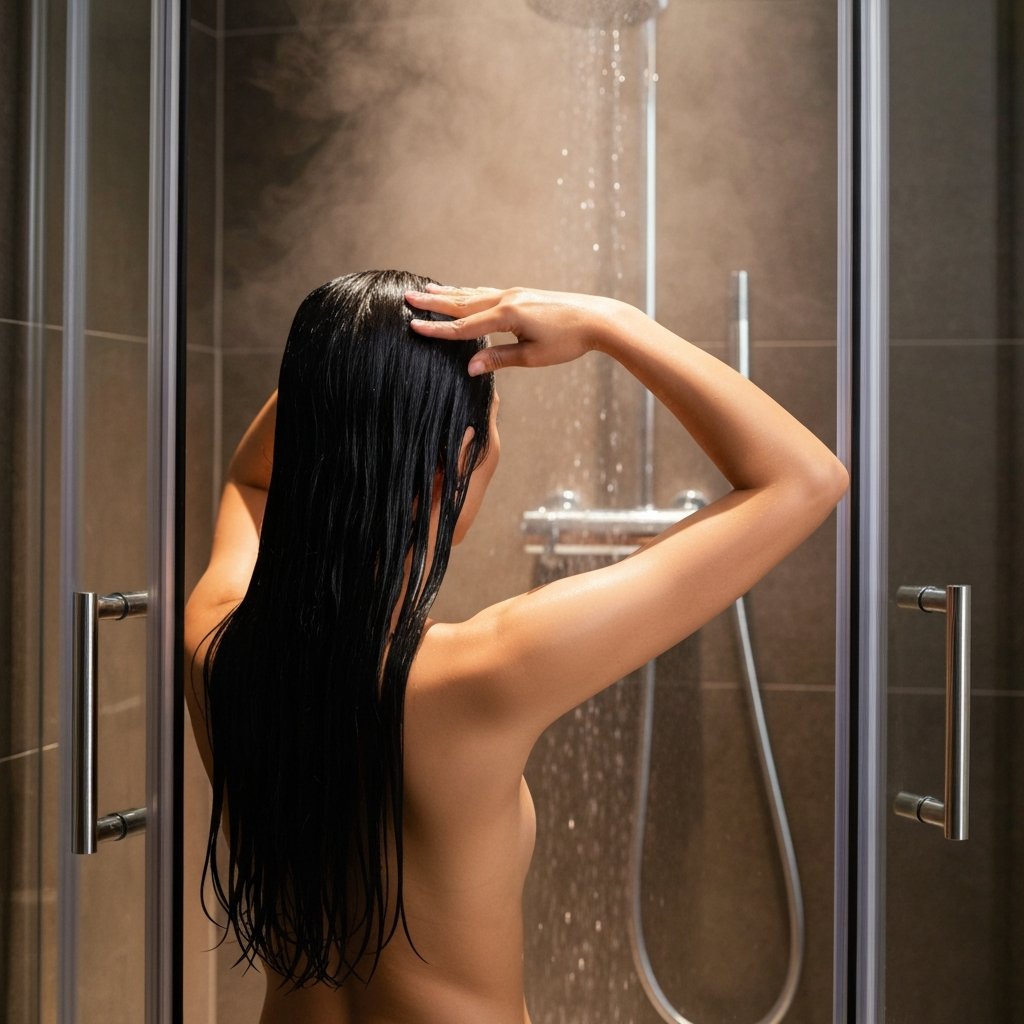
Once the product is applied, use a wide-tooth comb to ensure every strand is coated. Then, create a warm environment. You can put on a shower cap and wrap a hot towel around it, or use a hooded dryer attachment if you have one. The gentle heat helps lift the cuticle slightly, allowing the conditioning agents to penetrate deeper into the cortex rather than just sitting on the surface. Leave this on for at least 20 to 30 minutes. This dwell time is non-negotiable for damaged hair.
When rinsing, use cool water. As you rinse, cup water in your hands and "squish" the hair upwards toward the scalp. This pulsing motion forces water and conditioner into the hair shaft. Do not rinse until "squeaky clean"; leaving a tiny bit of slip to the hair can act as a primer for your leave-in products. Following this deep conditioning routine once or twice a week is often the turning point in transforming straw-like hair back to a soft, manageable state.
Phase 4: The Role of Bond Builders
In recent years, the hair industry has been revolutionized by bond-building technology. Unlike traditional conditioners that smooth the surface, bond builders work on a molecular level to repair the broken disulfide bonds within the hair shaft. For crunchy, bleached hair, these treatments are not optional—they are essential structural engineering for your strands.
Products containing active ingredients like Bis-Aminopropyl Diglycol Dimaleate or specialized peptides penetrate the hair to link broken bonds back together. This restores the structural integrity of the hair, bringing back elasticity and strength. It is important to note that bond builders are generally not conditioners; they do not always leave the hair feeling soft immediately. They make the hair strong.
Therefore, a bond-building treatment should always be followed by a moisturizing conditioner or mask. Using a standalone bond builder treatment (often labeled as No. 3 or a leave-in mask) once a week helps to permanently repair the damage caused by the bleach. Over time, as the internal structure is rebuilt, the external texture will naturally become smoother and less crunchy because the hair is no longer collapsing under its own weight and porosity.
Phase 5: Daily Maintenance and Protective Styling
Recovering moisture is a 24/7 job, not just something that happens on wash day. Your daily habits play a massive role in how quickly your hair recovers. Friction is the enemy of damaged hair. Cotton pillowcases act like velcro to rough hair cuticles, absorbing moisture and causing tangles. Switching to a silk or satin pillowcase is a passive yet highly effective way to preserve moisture and prevent morning "bird's nest" tangles.

Daily hydration is also key. Just as you apply moisturizer to your face daily, bleached hair needs daily lipids. Use a lightweight serum or hair oil on dry hair every morning and evening. Focus on the ends. This keeps the cuticle lubricated and prevents the "crunch" from returning throughout the day. Look for oils that penetrate rather than coat, such as Argan, Marula, or Camellia oil.
Regarding styling, protective hairstyles are your best friend during the recovery phase. Loose braids or buns secured with silk scrunchies minimize exposure to environmental stressors like wind and sun, which can further dry out the hair. Avoid metal clips or tight elastics. If you must go out in strong sun, wear a hat or use a UV-protection spray for hair, as UV rays can degrade protein and zap color, setting back your recovery progress.
Professional Salon Treatments
Sometimes, at-home care is not enough to reverse severe chemical damage. If your hair remains crunchy despite weeks of deep conditioning, it is time to visit a professional salon for a specialized treatment. Salons have access to potent, concentrated treatments that are not available to the general public. These treatments can deliver a higher dosage of active ingredients deeper into the hair shaft.
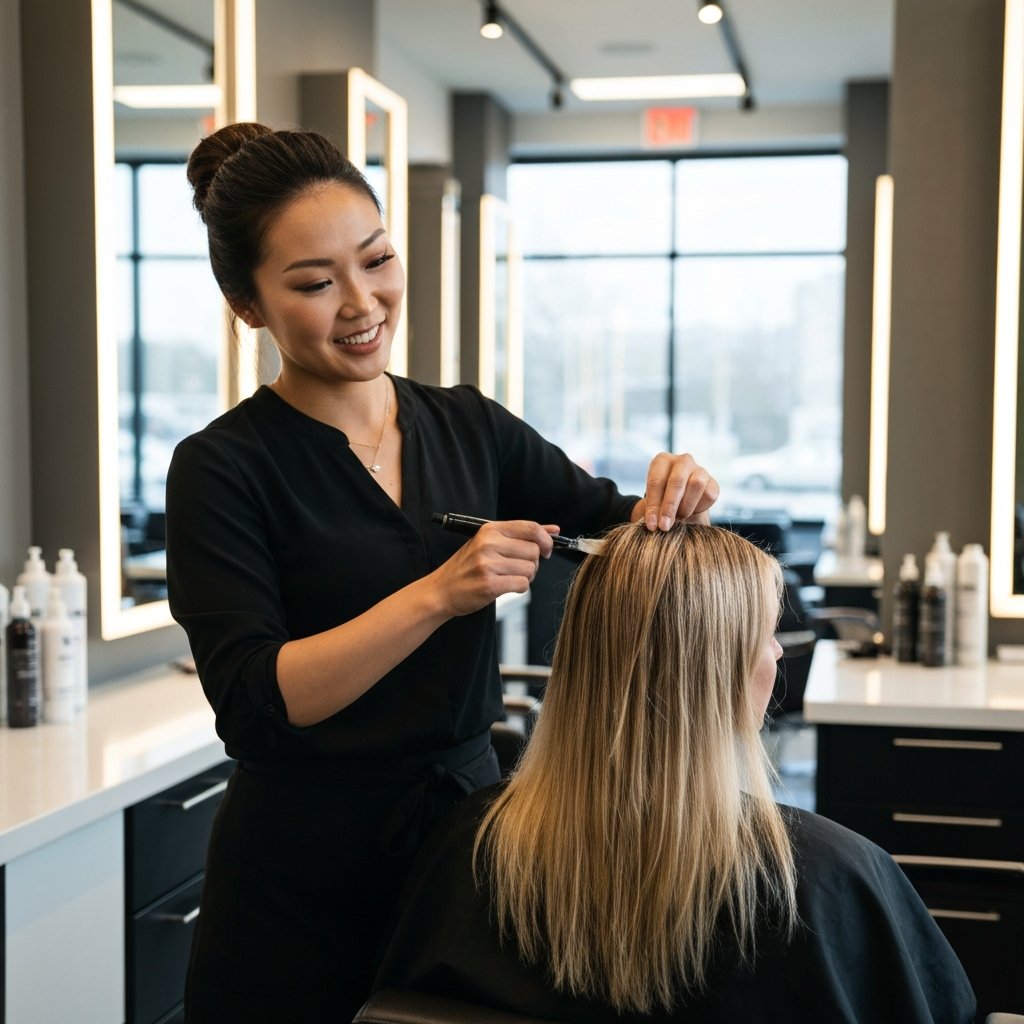
Ask your stylist about professional two-step protein and moisture treatments or specialized glossing services. A clear gloss or glaze is an acidic demi-permanent color (without pigment) that closes the cuticle tightly and adds a layer of intense shine and softness. This can instantly fix the texture of crunchy hair by sealing the surface. Additionally, many salons offer professional-grade steam treatments or ultrasonic infrared iron treatments, which use cold fusion technology to push treatment particles into the hair core without heat damage.
Tips for Preventing Future "Crunch"
- Lower the Vol: When bleaching in the future, ask your stylist to use a lower volume developer. Low and slow lifting preserves the hair integrity better than high-speed, high-volume bleaching.
- Trim it Off: Sometimes, the ends are simply too far gone. A "dusting" trim (removing just 1/4 inch) can remove the crunchiest parts and prevent split ends from traveling up the shaft.
- Filter Your Water: Hard water contains minerals like calcium and magnesium that build up on porous hair, making it feel stiff and crunchy. Installing a showerhead filter can make a dramatic difference in hair softness.
- Alcohol-Free Styling: Check your hairsprays and mousses. High alcohol content dries out hair rapidly. Switch to alcohol-free styling products.
Frequently Asked Questions (FAQ)
Q: How long does it take to fix crunchy bleached hair? A: With a dedicated routine, you should feel a difference in texture within two weeks. However, significant structural repair takes 4 to 6 weeks of consistent deep conditioning and bond-building treatments.
Q: Can coconut oil fix crunchy hair? A: Coconut oil is controversial for dry, brittle hair. While it penetrates well, it can sometimes cause protein buildup or make brittle hair feel stiffer in cold weather. Argan oil or Jojoba oil are generally safer, more flexible options for bleached hair texture.
Q: Should I wash my hair less often? A: Yes. Washing strips natural oils. Aim to wash your hair every 3 to 4 days. Use dry shampoo sparingly on the roots if needed, but try to train your hair to go longer between washes.
Q: Is the damage permanent? A: The structural change is permanent (the cuticle is altered), but the texture can be managed and improved to the point where it feels healthy. The only way to permanently remove damage is to grow it out and cut it off, but repair products make the growing-out phase manageable.
Q: Why is my hair crunchy when wet? A: If hair feels hard or rough when wet, it is likely suffering from severe porosity issues or protein overload. If it feels mushy like cooked pasta, it is moisture overload/protein deficiency. Crunchiness usually indicates a need for moisture and emollients.
Conclusion
Fixing crunchy hair after bleaching is a journey of patience and consistency. It requires shifting your mindset from "styling" your hair to "healing" your hair. By understanding the science of porosity, adhering to the moisture-protein balance, and utilizing modern bond-building technology, you can resurrect your strands from their straw-like state. Remember, the goal is not just to mask the damage, but to infuse the hair with the lipids and proteins it lost during the chemical process. Treat your hair like the delicate fabric it is—silk, not denim—and you will see the shine, bounce, and softness return.


