How to Fix Hair Texture After Chemical Processing | The Ultimate Restoration Guide
Introduction: The Reality of Chemical Compromise
Chemical processing—whether it is bleaching, relaxing, perming, or coloring—is a transformative art form. It allows individuals to express their personality and embrace new aesthetics. However, this transformation often comes at a cost. When aggressive chemicals penetrate the hair shaft to alter its color or shape, they inevitably disrupt the hair's natural structure. For many, the aftermath results in a texture that feels foreign: dry, brittle, straw-like, or frighteningly gummy when wet. If you are reading this, you are likely asking the critical question: how to fix hair texture after chemical processing?

The journey to restoration is not instantaneous, but it is entirely possible. Fixing chemically altered texture requires a fundamental understanding of what has happened to the hair fiber on a microscopic level. It involves moving beyond standard daily conditioners and adopting a targeted regimen that addresses porosity, protein loss, and moisture retention. This guide is designed to be a comprehensive resource for anyone looking to reverse the signs of chemical fatigue and return their locks to a state of resilience and softness.
Restoring hair texture is a multi-faceted approach involving science-backed treatments, lifestyle adjustments, and patience. While cuticles can be smoothed and bonds can be reinforced, the process requires consistency. In the following sections, we will explore the biological impact of processing, the difference between moisture and protein needs, and the specific professional and at-home steps required to salvage your hair's integrity.
Understanding the Science: What Happened to Your Hair?
To effectively fix hair texture after chemical processing, one must first understand the architecture of the hair shaft. Hair is primarily composed of a protein called keratin, held together by various bonds, the strongest of which are disulfide bonds. Chemical services, particularly bleaching and permanent straightening, work by breaking these bonds to strip pigment or reshape the strand. Once these bonds are broken, the hair loses its structural integrity. Furthermore, the chemical process requires an alkaline agent to lift the hair cuticle—the protective outer layer resembling shingles on a roof.
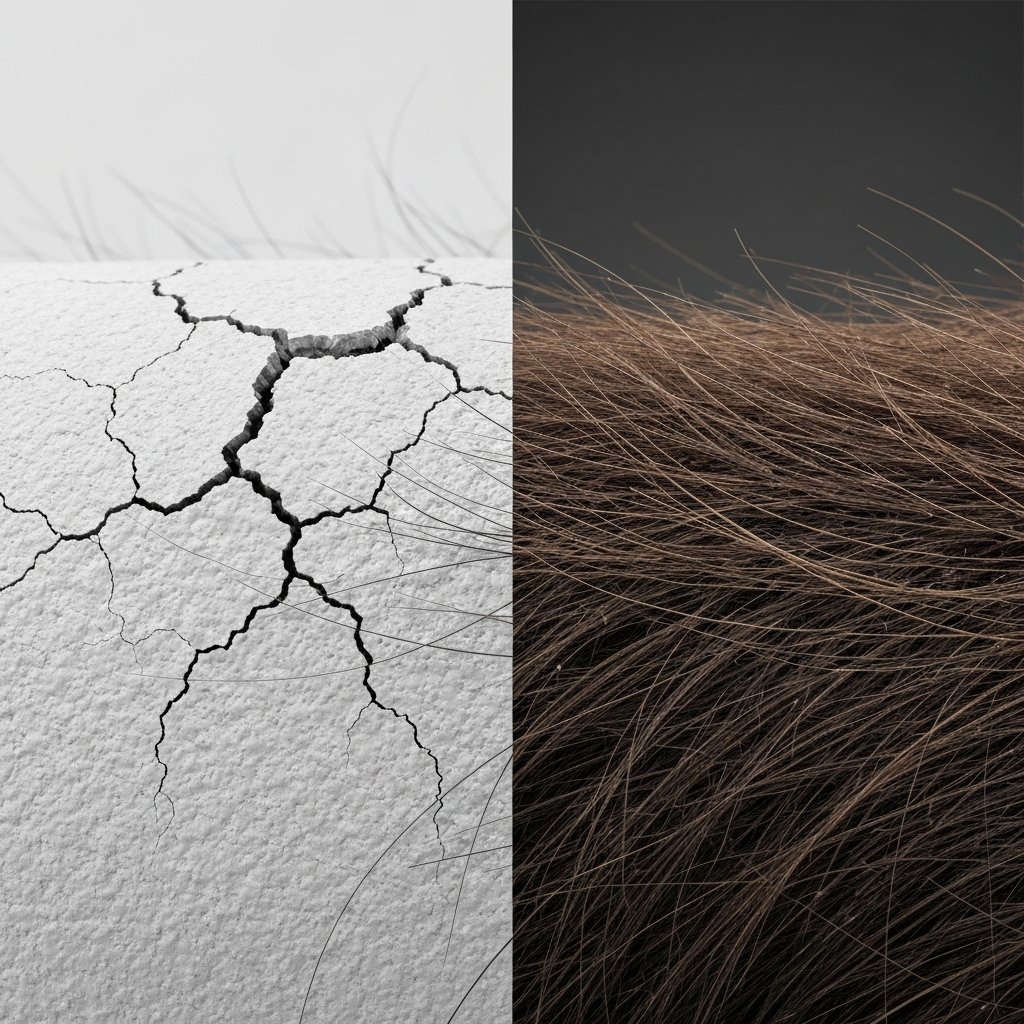
When the cuticle is raised and not properly sealed back down, the hair becomes highly porous. High porosity means the hair absorbs moisture quickly but loses it just as fast. This leads to the rough, tangly texture that is characteristic of chemical damage. The internal cortex is left exposed to environmental stressors, heat, and friction, accelerating breakage. The "straw-like" feeling is essentially the tactile result of raised, jagged cuticles and a dehydrated interior cortex.
Conversely, if hair feels mushy or gummy when wet, it indicates that the internal protein structure has been compromised to the point of collapse. This is often referred to as "elasticity failure." Understanding whether your hair is suffering from dryness (cuticle damage) or structural failure (cortex damage) is the first step in selecting the right recovery protocol. A balanced approach addressing both the outer lipid layer and the inner protein matrix is essential for true texture correction.
The Protein vs. Moisture Balance: The Golden Rule of Repair
One of the most common mistakes people make when trying to fix hair texture after chemical processing is over-relying on just one type of treatment. There is a delicate ecosystem within the hair strand that relies on a balance between protein (strength) and moisture (hydration). Chemical processing almost always depletes both, but treating them requires different ingredients.

Identifying Protein Deficiency
If your hair feels gummy, stretches excessively before breaking, or feels limp and lifeless, it is crying out for protein. Chemical processing strips the hair of its natural keratin. To fix this, you need treatments containing hydrolyzed proteins—wheat, silk, soy, or keratin. These molecules are small enough to penetrate the hair shaft and temporarily fill the gaps in the cuticle and cortex, providing a rigid structure. However, caution is advised: too much protein can make hair brittle and snap off, a phenomenon known as protein overload.Identifying Moisture Deficiency
If the texture feels rough, dry, static-prone, and brittle (snaps immediately without stretching), the hair is dehydrated. The chemicals have stripped the natural oils (sebum) and the cell membrane complex (CMC) that glues the hair cells together. In this case, the focus must be on humectants like glycerin and aloe vera, and emollients like shea butter, argan oil, and fatty alcohols. These ingredients draw water into the hair and seal it there, smoothing down the rough cuticle edges to improve texture.The Role of Bond Builders in Texture Correction
In the last decade, the hair industry has been revolutionized by bond-building technology. Unlike traditional conditioners that simply coat the hair to make it feel smooth, bond builders work on a molecular level to repair the broken disulfide bonds mentioned earlier. If you are serious about fixing hair texture after chemical processing, a high-quality bond builder is non-negotiable.
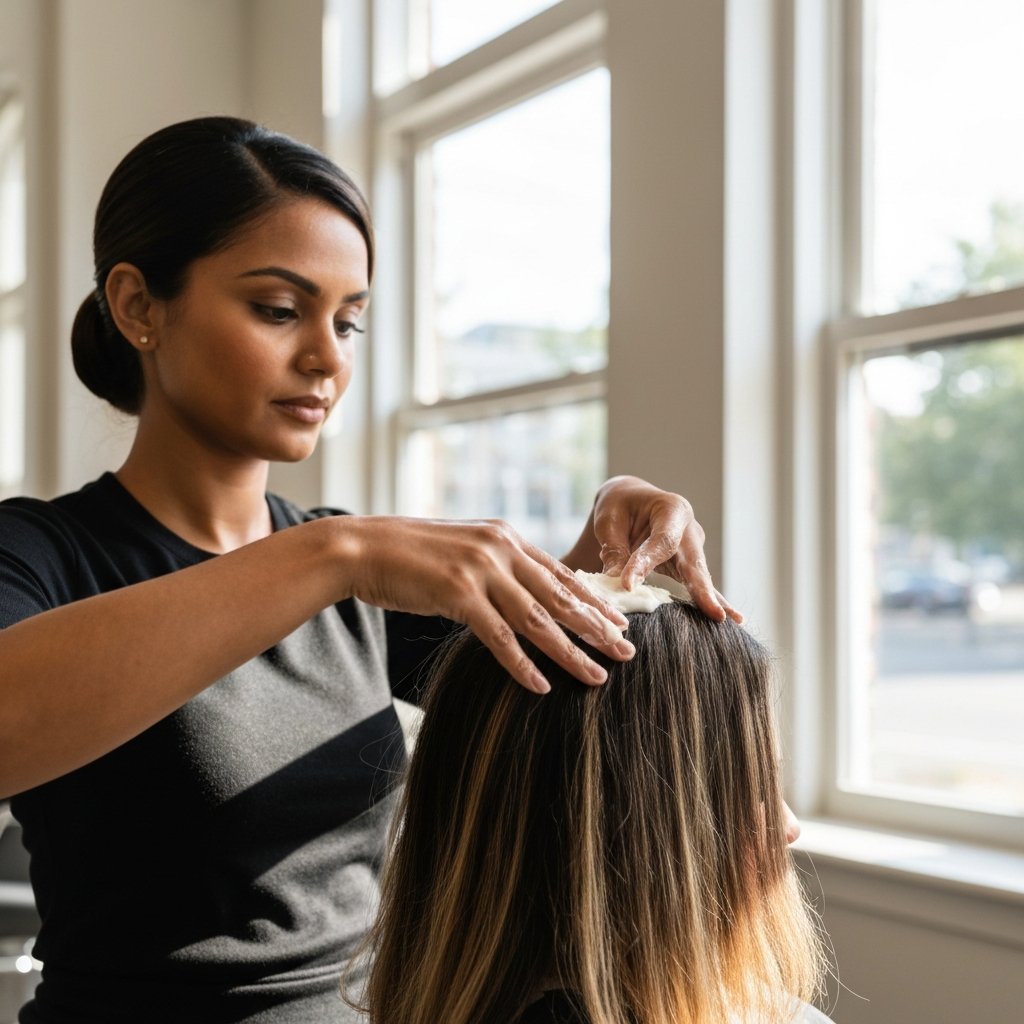
These treatments are not merely cosmetic; they cross-link the broken protein structures, effectively gluing the hair's internal scaffolding back together. Using a bond-building treatment once a week can dramatically alter the tactile feel of the hair. It restores the "bounce" and elasticity that chemicals destroy. It is important to note that bond builders are distinct from protein treatments. They can usually be used more frequently without the risk of brittleness, acting as a permanent or semi-permanent fix for the internal structure.
When incorporating bond builders, follow the manufacturer's instructions precisely. Many are designed to be applied to damp hair and left on for a minimum of ten minutes before shampooing. This dwelling time allows the active chemistry to penetrate deeply. Consistent use of these products often results in a noticeable return of the hair's natural curl pattern or wave, which often disappears after severe chemical damage.
Deep Conditioning and Masque Rituals
While bond builders repair the inside, deep conditioning masques are responsible for the external texture and manageability. To fix hair texture after chemical processing, a standard conditioner is rarely sufficient. You need dense, nutrient-rich masques applied at least once a week. The application technique matters just as much as the product itself.
The Application Technique
For maximum efficacy, hair should be shampooed with a gentle, sulfate-free cleanser to remove buildup without stripping remaining oils. After rinsing, gently squeeze out excess water—applying a masque to soaking wet hair dilutes the product. Apply the masque generously from mid-lengths to ends, avoiding the scalp to prevent greasiness. Use a wide-tooth comb to ensure even distribution.Adding Heat
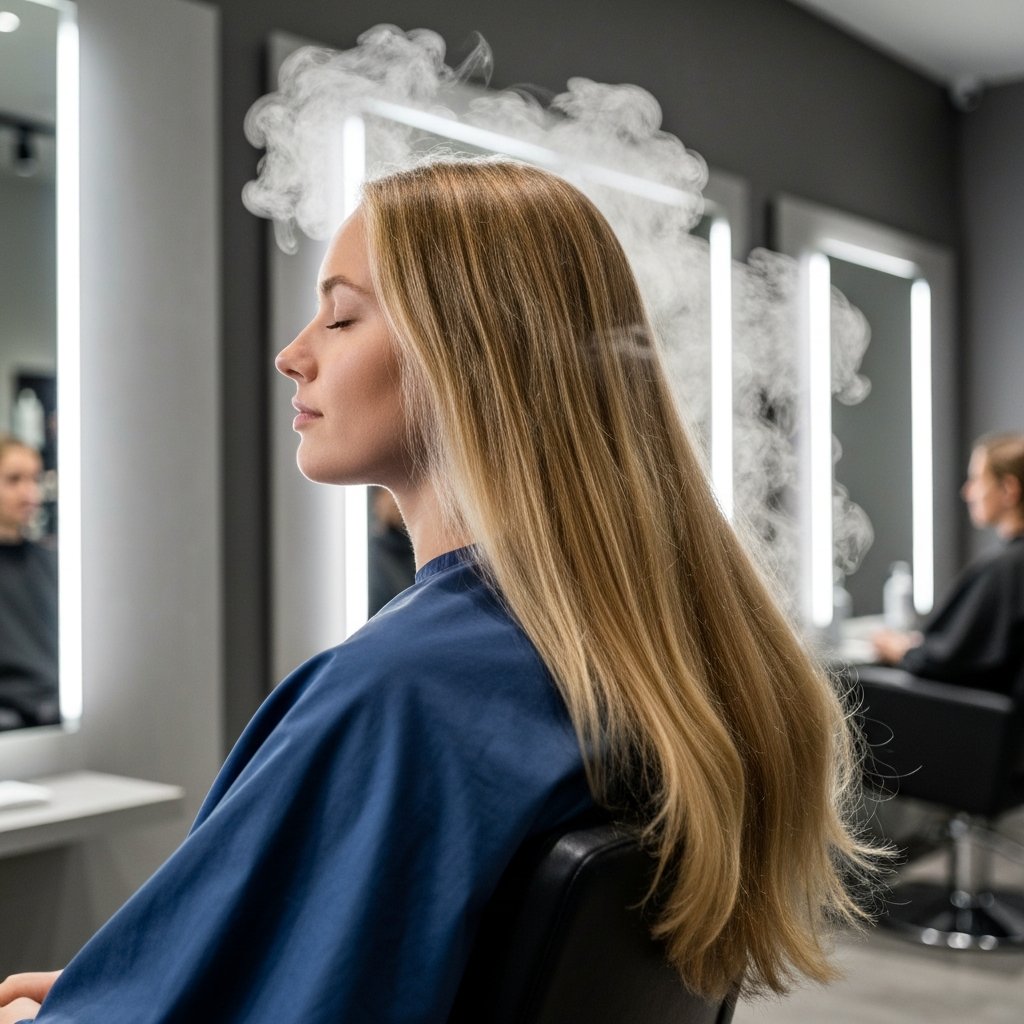
Heat is a catalyst for penetration. Once the masque is applied, covering the hair with a plastic cap and applying gentle heat (using a hooded dryer, a heated cap, or even a warm towel) opens the cuticle slightly, allowing the conditioning agents to bypass the outer layer and nourish the cortex. This process, known as steaming, can transform a standard treatment into an intensive therapy session. Twenty minutes under heat can do more for hair texture than leaving a product on overnight at room temperature.The Importance of pH Balancing and Glazes
Healthy hair naturally sits at a pH of around 4.5 to 5.5, which is slightly acidic. This acidity keeps the cuticle scales lying flat and smooth. Chemical processes like bleaching and relaxing are highly alkaline (often pH 10 or higher), which forces the cuticle open. Sometimes, the hair struggles to return to its natural pH level after the service, leaving the texture rough and friction-prone.
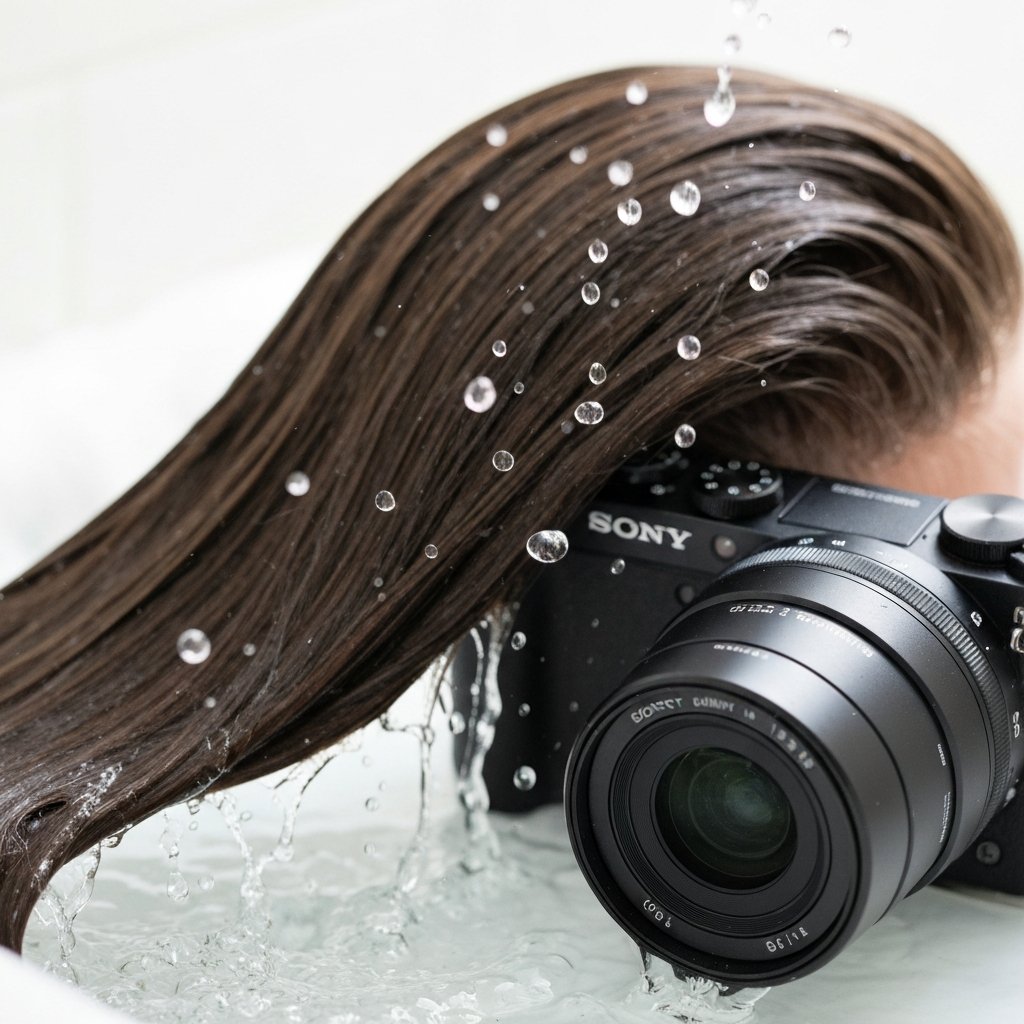
To fix hair texture after chemical processing, introducing acidic products is beneficial. This includes pH-balanced shampoos and conditioners, but also professional glosses or glazes. A clear gloss treatment, often available at professional salons, is an acidic demi-permanent color (without the pigment) that seals the cuticle tight. This service acts like a topcoat for nails, locking in moisture and treatments while creating a reflective surface.
At home, an apple cider vinegar (ACV) rinse can act as a mild, natural alternative. Diluting one part ACV with three parts water and pouring it over the hair after conditioning can help rebalance the pH and flatten the cuticle, instantly improving smoothness and combability. However, professional glosses generally offer longer-lasting results and added conditioning benefits.
Protective Styling and Mechanical Care
Fixing the texture is not just about what you put on the hair, but also how you handle it. Chemically processed hair is fragile; mechanical damage from brushing, styling, and friction can shatter the work you are doing with treatments. Adopting a "low-manipulation" lifestyle is crucial during the recovery phase.
The Tools You Use
Switch to brushes specifically designed for wet, fragile hair. These brushes have flexible bristles that bend rather than snap the hair when they encounter a tangle. Never brush chemically processed hair when it is bone dry unless you are using a specific detangler, and always start from the ends working your way up to the roots.Heat Styling Detox
Hot tools are the enemy of recovering hair. Flat irons and curling wands boil the moisture within the cortex, causing "bubble hair" and irreversible texture damage. If you must use heat, always use a high-quality heat protectant spray. However, the best way to fix hair texture is to embrace heatless styling methods. Braids, twists, and rollers can create texture and volume without the thermal assault. If blow-drying is necessary, use the cool or medium setting and keep the nozzle directed downward to smooth the cuticle rather than roughening it.Strategic Trimming: The Micro-Trim Approach
There is a hard truth in hair restoration: you cannot glue a split end back together permanently. Once the ends are fractured, the split can travel up the hair shaft, damaging the healthy texture higher up. While you may not want to lose length, holding onto damaged ends is counterproductive to fixing hair texture.
"Dusting" or micro-trimming is a technique used by stylists to remove only the very tips of the hair—often less than an eighth of an inch. This removes the driest, most textured part of the hair without sacrificing noticeable length. Scheduling a micro-trim every 6 to 8 weeks keeps the ends blunt and healthy, preventing the "zipper effect" of splitting strands. This creates the visual and tactile illusion of thicker, smoother hair instantly.
5 Essential Tips for Daily Maintenance
- Cold Water Rinses: Always finish your shower with a blast of cool water. Cold water causes the cuticle to contract and lay flat, locking in the conditioner and increasing shine.
- Silk or Satin Pillowcases: Cotton absorbs moisture from your hair and creates friction. Silk or satin allows the hair to glide, preserving the texture and preventing morning tangles.
- Microfiber Towels: Traditional terry cloth towels are too rough for chemically processed hair. Use a microfiber towel or an old cotton t-shirt to blot—never rub—the hair dry.
- Oil Sealing: Apply a lightweight oil (like jojoba or argan) to the ends of your hair daily. This creates an occlusive barrier that prevents moisture loss throughout the day.
- UV Protection: Just like skin, processed hair is susceptible to sun damage which degrades protein. Wear a hat or use hair products containing UV filters when outdoors.
Frequently Asked Questions (FAQ)
Q: How long does it take to fix hair texture after chemical processing? A: It depends on the severity of the damage. With a consistent regimen of bond builders and deep conditioning, you should feel a difference within 2-4 weeks. However, fully growing out severe damage can take months or years.
Q: Can I color my hair again while trying to fix the texture? A: It is highly recommended to pause all chemical services. If you must color, opt for deposit-only demi-permanent dyes or root touch-ups rather than pulling bleach through the ends again.
Q: Is coconut oil good for chemically damaged hair? A: Coconut oil can be beneficial as a pre-shampoo treatment because it penetrates the hair shaft to prevent protein loss. However, for some hair types, it can cause brittleness if used in excess. Argan and marula oils are often lighter alternatives.
Q: Why does my hair feel hard after a protein treatment? A: This is likely protein overload. You have applied too much protein without enough moisture. Follow up immediately with a hydrating, protein-free deep conditioner to soften the hair.
Q: Will keratin treatments fix my damaged texture? A: Professional keratin treatments can smooth the cuticle and make hair feel healthier, but they are often cosmetic. Some formulations also release formaldehyde or use high heat, which can cause further damage later. Consult with a specialist about formaldehyde-free smoothing options.
Conclusion
Learning how to fix hair texture after chemical processing is a journey of patience and science. It requires a shift from viewing hair care as a chore to viewing it as a restorative ritual. By understanding the balance between protein and moisture, utilizing modern bond-building technology, and protecting your hair from mechanical and thermal stress, you can breathe new life into processed strands.
Remember that while products can work wonders, the healthiest hair is grown from the inside out. hydration, a balanced diet, and time are your best allies. Do not be discouraged by the current state of your hair; with the right interventions outlined in this guide, your hair's texture can return to a state of softness, strength, and vitality.


