How to Fix Hair Texture After Chemical Processing | The Ultimate Recovery Guide
How to Fix Hair Texture After Chemical Processing
Chemical processing—whether it is bleaching, relaxing, perming, or coloring—can transform a look entirely, offering a fresh aesthetic and a boost of confidence. However, these processes often come with a hidden cost: compromised hair integrity. Many individuals find themselves staring into the mirror days after a salon visit, noticing that their strands feel straw-like, gummy, or excessively frizzy. The natural bounce is gone, replaced by a rough, unmanageable texture.
Learning how to fix hair texture after chemical processing is not an overnight miracle; it is a journey of rehabilitation. The chemicals used to alter the color or shape of hair work by breaking down the disulfide bonds within the hair shaft. While this allows for the desired change, it also strips the hair of its natural protective oils and disrupts the cuticle layer. Without proper intervention, this damage can lead to severe breakage and loss of length.
Fortunately, modern hair science has provided us with a plethora of tools and techniques to reverse this damage. From molecular bond builders to the proper balance of protein and moisture, restoring your hair's silkiness is entirely possible. This comprehensive guide explores the essential steps, professional treatments, and home-care routines necessary to breathe life back into chemically processed hair.
Understanding the Science of Chemical Damage
To effectively fix hair texture after chemical processing, one must first understand what has happened at a microscopic level. Hair is primarily made of a protein called keratin, which is held together by various bonds, the strongest of which are disulfide bonds. Chemical treatments, specifically oxidative processes like bleaching or high-alkaline processes like relaxing, force the hair cuticle—the protective outer layer resembling roof shingles—to swell and open.
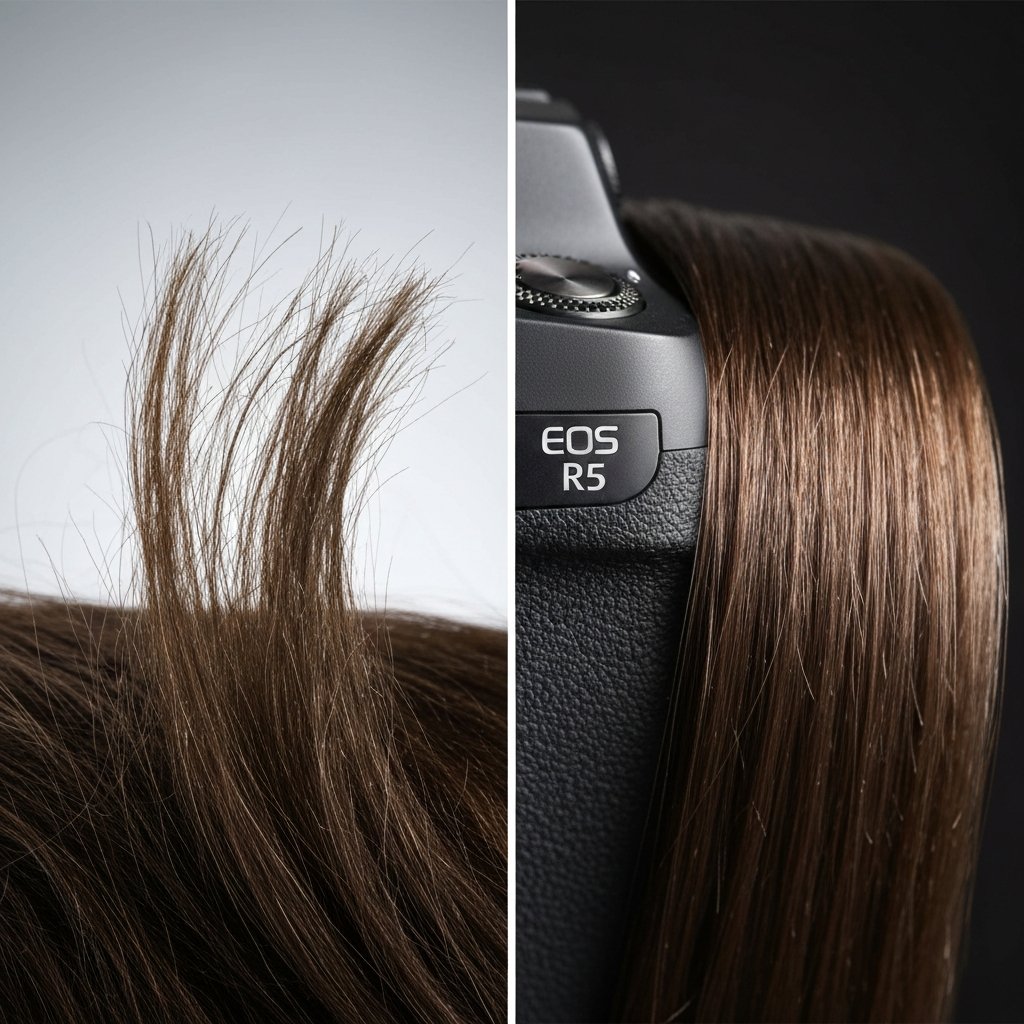
Once the cuticle is lifted, the chemicals penetrate the cortex (the inner core) to dissolve or reform these bonds. In a perfect scenario, the bonds reform in the new shape or color, and the cuticle lays flat again. However, in reality, the cuticle often remains raised, chipped, or missing entirely in sections. This structural damage results in high porosity, meaning the hair absorbs moisture quickly but loses it just as fast. The result is the rough, dry texture that feels unpleasant to the touch.
Furthermore, the hair's pH balance is often disrupted. Healthy hair sits at a slightly acidic pH of around 4.5 to 5.5. Chemical processes are highly alkaline, often exceeding a pH of 10. If the hair is not properly neutralized and brought back to its natural acidic state, the texture remains coarse and prone to friction. Understanding this porosity and pH imbalance is the foundation of any successful recovery regimen.
The Protein-Moisture Balance: The Golden Rule of Repair
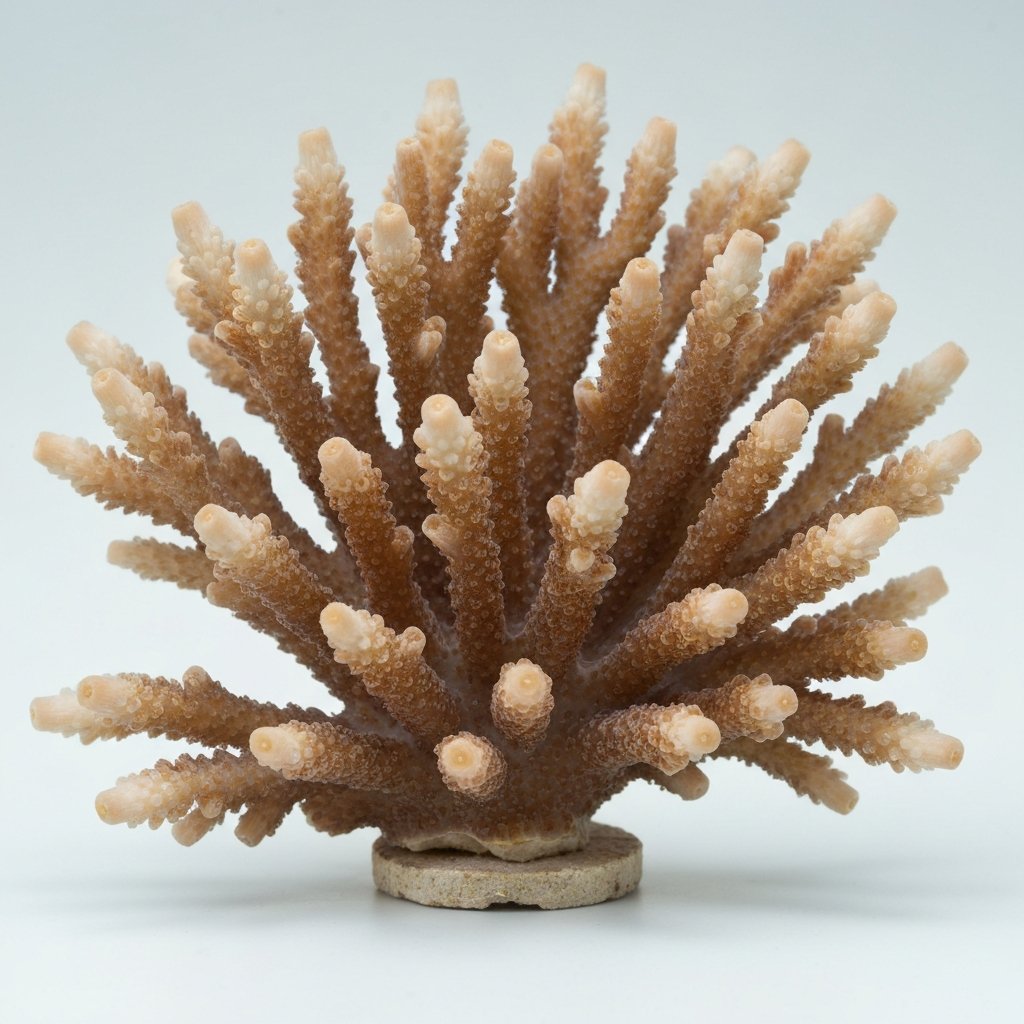
One of the most critical concepts in restoring chemically treated hair is the protein-moisture balance. Hair that has been chemically processed is almost always lacking in both, but treating it requires a strategic approach. If you apply too much protein to dry hair, it becomes brittle and snaps. If you apply too much moisture to weak hair, it becomes mushy and elastic (hygral fatigue).
Identifying What Your Hair Needs
Before reaching for a product, perform a simple elasticity test. Take a strand of wet hair and gently stretch it. If it snaps immediately with no stretch, it lacks moisture. If it stretches endlessly and doesn't return to its original shape (or feels like gum), it lacks protein. Healthy hair should stretch slightly and bounce back. Most chemically damaged hair requires a heavy dose of protein initially to rebuild the structure, followed by intense moisture to regain softness.
Implementing the Routine
Start with a hydrolyzed protein treatment. Ingredients like hydrolyzed keratin, silk amino acids, or wheat protein are small enough to penetrate the hair shaft and patch the gaps in the cuticle. This should be done once every two weeks or as directed by a professional stylist. In between protein treatments, focus heavily on moisturizing deep conditioners containing emollients like shea butter, argan oil, and fatty alcohols (cetyl or stearyl alcohol). This combination reinforces the hair's spine while keeping the exterior soft and manageable.
The Revolution of Bond Builders
In the past decade, the hair industry has been revolutionized by bond-building technology. Unlike traditional conditioners that simply coat the hair to make it feel smooth, bond builders work on a molecular level to repair the broken disulfide links caused by chemical services. This is a non-negotiable step for anyone asking how to fix hair texture after chemical processing.
Bond builders are not just conditioners; they are chemical reconstructors. They can be found in two forms: additives used during the chemical service by a stylist, and take-home treatments for maintenance. Using a bond-building treatment once a week can dramatically improve the tensile strength of the hair. It essentially glues the inner structure of the hair back together, preventing the "gummy" feeling often associated with bleach damage.
It is important to follow the instructions for these products precisely. Many are not leave-in conditioners and must be shampooed out. Overuse is generally not an issue with bond builders as it is with protein treatments, but consistency is key. Results are cumulative, meaning the texture will improve incrementally with every application.
Optimizing Your Wash Day Routine
The way chemically processed hair is washed can make or break the recovery process. The friction caused by aggressive scrubbing and the stripping nature of harsh sulfates can exacerbate texture issues. The goal of the wash routine should be gentle cleansing without stripping essential lipids.
Choosing the Right Cleanser
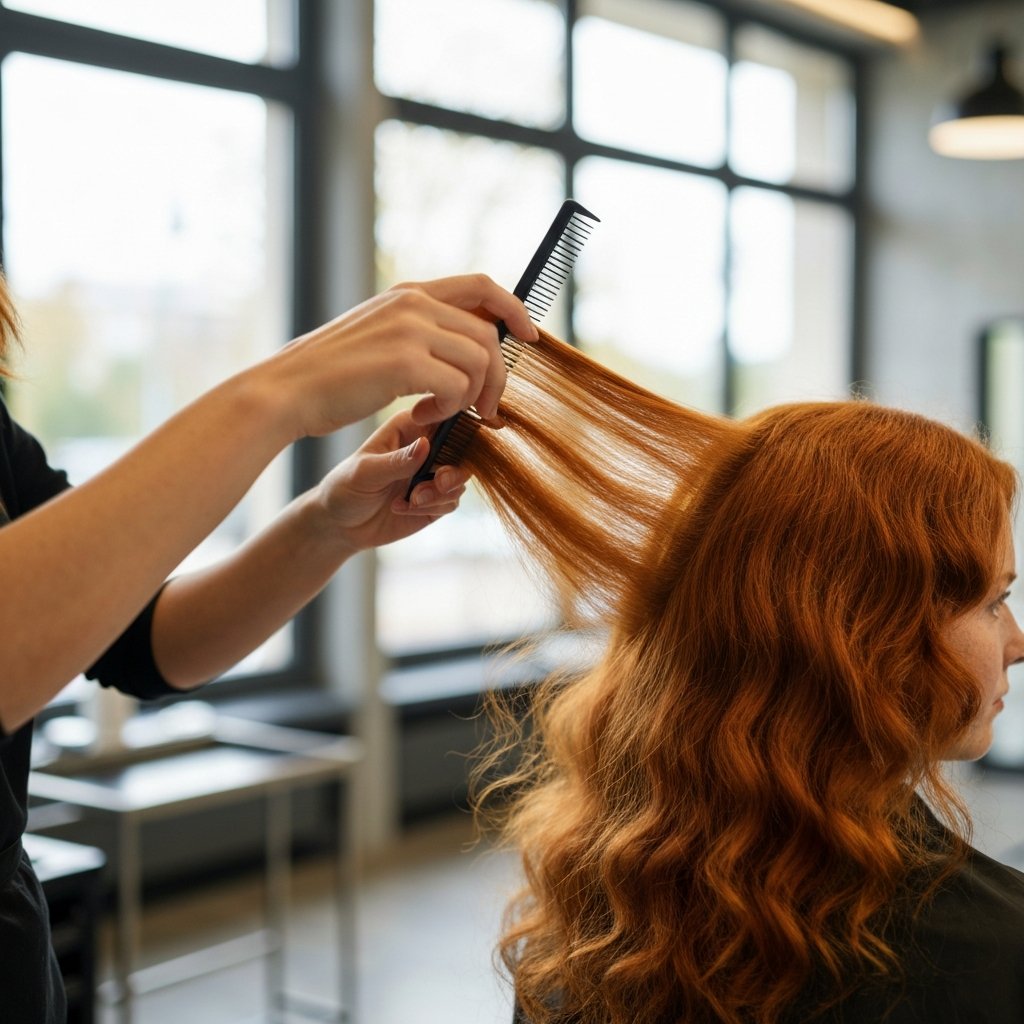
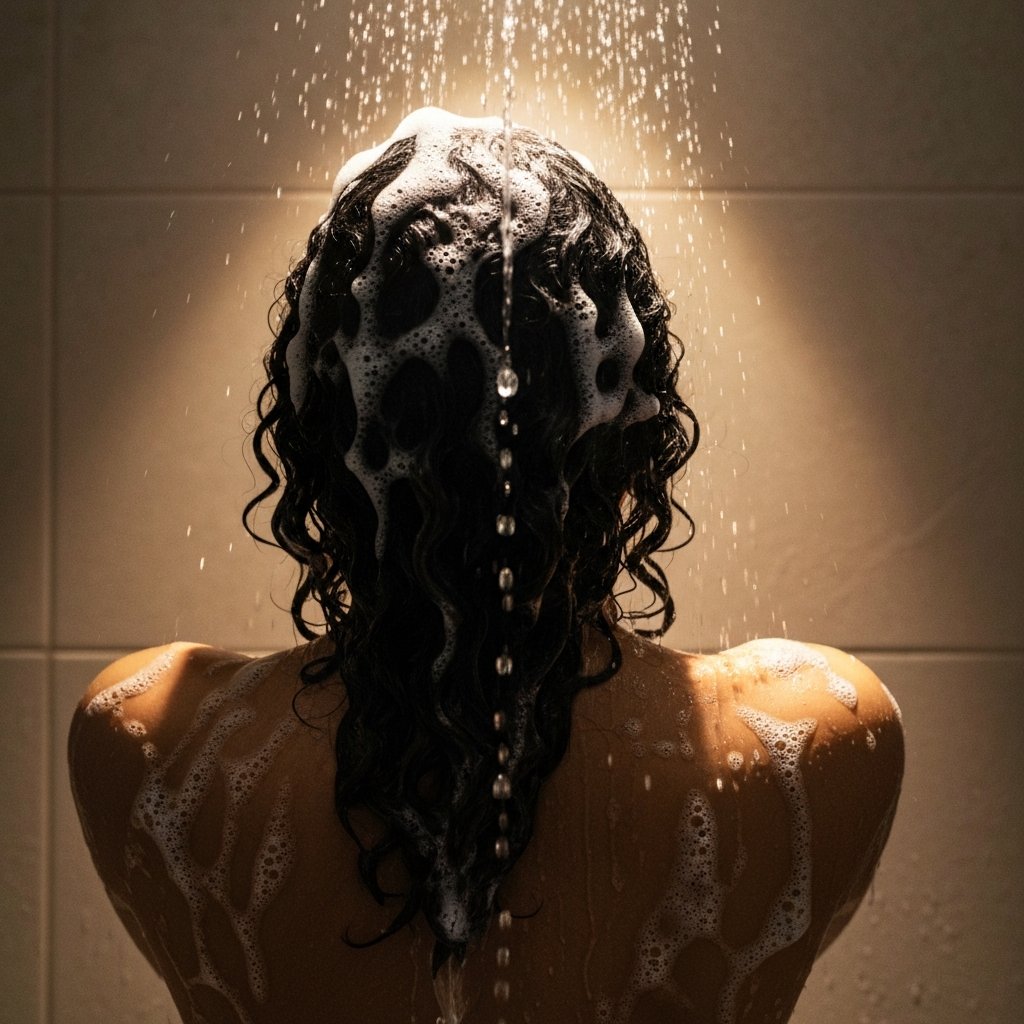
Switch to a sulfate-free, moisturizing shampoo or a co-wash (cleansing conditioner). Sulfates are effective cleansers but are often too harsh for compromised cuticles, stripping away the natural oils needed to seal moisture in. Look for creamy formulas that produce a low lather. When washing, focus the product solely on the scalp. As you rinse, the suds running down the mid-lengths and ends are sufficient to cleanse them without causing dryness.
Water Temperature Matters
Always wash with lukewarm water. Hot water causes the hair cuticle to swell and lift, which is exactly what you want to avoid when trying to smooth texture. For the final rinse, use cool or cold water. This helps to physically close the cuticle, locking in the conditioner and bond builders you've just applied. A closed cuticle reflects light better, resulting in shinier, smoother hair immediately after washing.
Mastering Post-Wash Handling and Styling
Hair is at its weakest when it is wet. For chemically processed hair, wetness increases elasticity and fragility. The mechanical damage caused by rough towel drying or aggressive brushing can destroy the progress made by treatments.
The Microfiber Method
Discard traditional terry cloth towels, which have rough loops that snag and roughen the hair cuticle. Instead, use a microfiber towel or an old reliable cotton t-shirt to gently squeeze—never rub—excess water from the hair. This method, often called "plopping" in the curly hair community, significantly reduces frizz and preserves the integrity of the hair surface.
Detangling with Care
Apply a high-quality leave-in conditioner with slip before attempting to detangle. Use a wide-tooth comb or a brush specifically designed for wet hair, starting from the ends and slowly working your way up to the roots. If you encounter a knot, use your fingers to separate it gently rather than forcing the brush through. Patience during this stage prevents the snapping and breakage that creates flyaways and uneven texture.
Thermal Protection and Heat Management
Heat is the enemy of chemically processed hair. High temperatures boil the moisture within the hair shaft, causing steam damage that leads to bubble hair (tiny blisters in the hair strand) and irreversible breakage. However, abandoning heat styling entirely is not always practical for everyone.
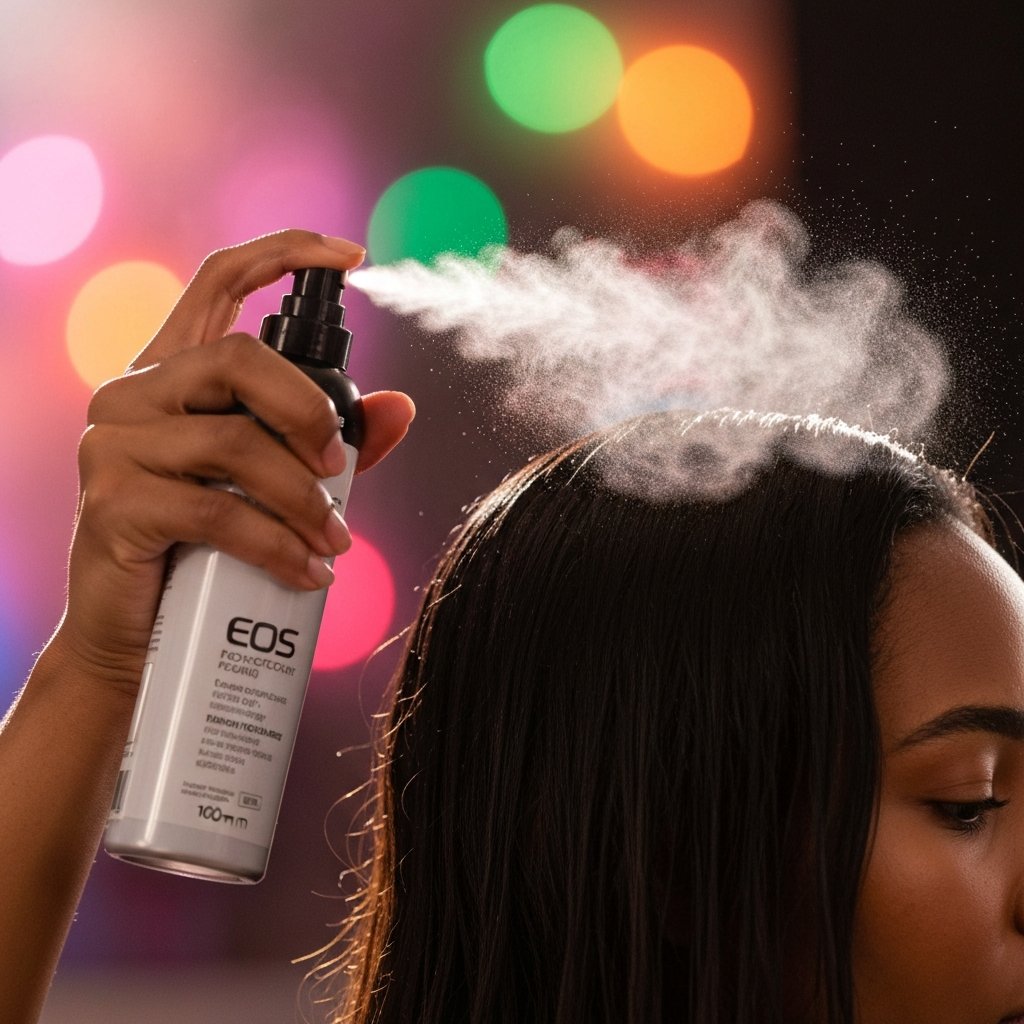
If heat must be used, a thermal protectant is mandatory. These products contain silicones and copolymers that form a barrier over the cuticle, distributing heat more evenly and slowing down moisture loss. Never use hot tools on damp hair unless the tool is specifically designed for wet-to-dry styling (which is generally discouraged for damaged hair). Ensure the hair is 100% dry before using a flat iron or curling wand.
Furthermore, lower the temperature. Chemically treated hair responds to heat much faster than virgin hair. A setting of 300°F to 325°F (150°C - 160°C) is usually sufficient. Avoid passing the iron over the same section multiple times. One slow, deliberate pass is less damaging than several quick ones.
Nighttime Protection: The Unsung Hero
Friction from sleeping on cotton pillowcases can undo a lot of hard work. Cotton is absorbent and pulls moisture from the hair while creating friction that roughens the texture. To fix hair texture after chemical processing, nighttime defense is essential.
Invest in a silk or satin pillowcase. These materials allow the hair to glide over the surface without friction. Alternatively, wearing a silk bonnet or wrapping the hair in a silk scarf keeps the cuticle smooth and prevents tangles from forming overnight. For those with longer hair, a loose braid or a "pineapple" (loose high ponytail) with a silk scrunchie can prevent mechanical damage caused by rolling over hair during sleep.
Tips for Accelerating Texture Recovery
- Filter Your Water: Hard water contains minerals like calcium and magnesium that build up on porous hair, making it feel stiff and dry. Installing a showerhead filter can make an immediate difference in softness.
- Oil Sealing: After moisturizing, apply a lightweight oil like jojoba or argan oil to the ends. This seals the cuticle and traps the moisture inside.
- Regular Trims: You cannot repair split ends; you can only temporarily seal them. Regular micro-trims (dusting) every 6-8 weeks prevent splits from traveling up the hair shaft and causing further texture damage.
- Dietary Support: Ensure you are consuming enough protein, Omega-3 fatty acids, and vitamins (Biotin, Vitamin E) to support healthy new growth from the inside out.
- Avoid Chlorine: Chlorinated pools are devastating to chemically treated hair. If you swim, wet your hair with fresh water and apply a leave-in conditioner before entering the pool to create a barrier.

Frequently Asked Questions
How long does it take to fix hair texture after chemical processing?
Recovery time varies depending on the severity of the damage and the consistency of your routine. Generally, you can see improvements in softness within two weeks of intensive care, but restoring structural integrity and elasticity can take 2 to 6 months of consistent treatment.
Can I dye my hair again while trying to fix the texture?
It is highly recommended to pause all chemical services while repairing texture. Adding more chemicals to compromised hair can lead to the "point of no return" where the hair melts or breaks off. Wait until your hair passes the elasticity test before considering even a mild glaze or toner.Are silicones bad for chemically processed hair?
Not necessarily. While some curly hair methods avoid them, water-soluble or high-quality silicones (like dimethicone) can be beneficial for damaged hair. They form a protective film that mimics a healthy cuticle, locking in moisture and providing slip to prevent breakage during styling.Is a keratin treatment good for fixing damaged texture?
Keratin treatments can smooth the texture cosmetically, but some formulations release formaldehyde and require high heat to seal, which can cause further damage to the core structure. Opt for formaldehyde-free smoothing treatments or professional restorative treatments specifically designed for damage repair.Why does my hair feel waxy after using repair products?
This is likely product buildup. Repair products are rich in heavy ingredients. If your hair feels waxy or coated, use a clarifying shampoo once to strip the buildup, then follow immediately with a deep conditioning mask to restore moisture without the residue.Conclusion
Learning how to fix hair texture after chemical processing is a commitment to patience and gentle care. The journey from straw-like strands to silky, resilient hair involves a combination of scientific understanding and daily discipline. By incorporating bond builders, balancing moisture with protein, and protecting your hair from environmental and mechanical stress, you can reverse the signs of damage.
Remember that while products can work wonders, the most damaged ends may eventually need to be trimmed to allow for healthy growth. Treat your hair like a fine fabric; handle it with care, protect it from harsh elements, and nourish it consistently. With time, your hair’s texture will not only recover but can thrive, looking healthier and more vibrant than before.


