How to Get Rid of Scalp Buildup: Deep Cleansing Methods That Work | Ultimate Scalp Detox Guide
Introduction: Understanding the Root of the Problem
Have you ever washed your hair, only to feel like it is still dirty or greasy once it dries? Do your roots feel heavy, or does your hair lack its usual volume and shine? If these symptoms sound familiar, you are likely dealing with scalp buildup. While often overlooked, the condition of the scalp is the foundation of hair health. Just as the skin on the face requires regular cleansing and exfoliation to breathe and regenerate, the scalp requires similar attention to function optimally.
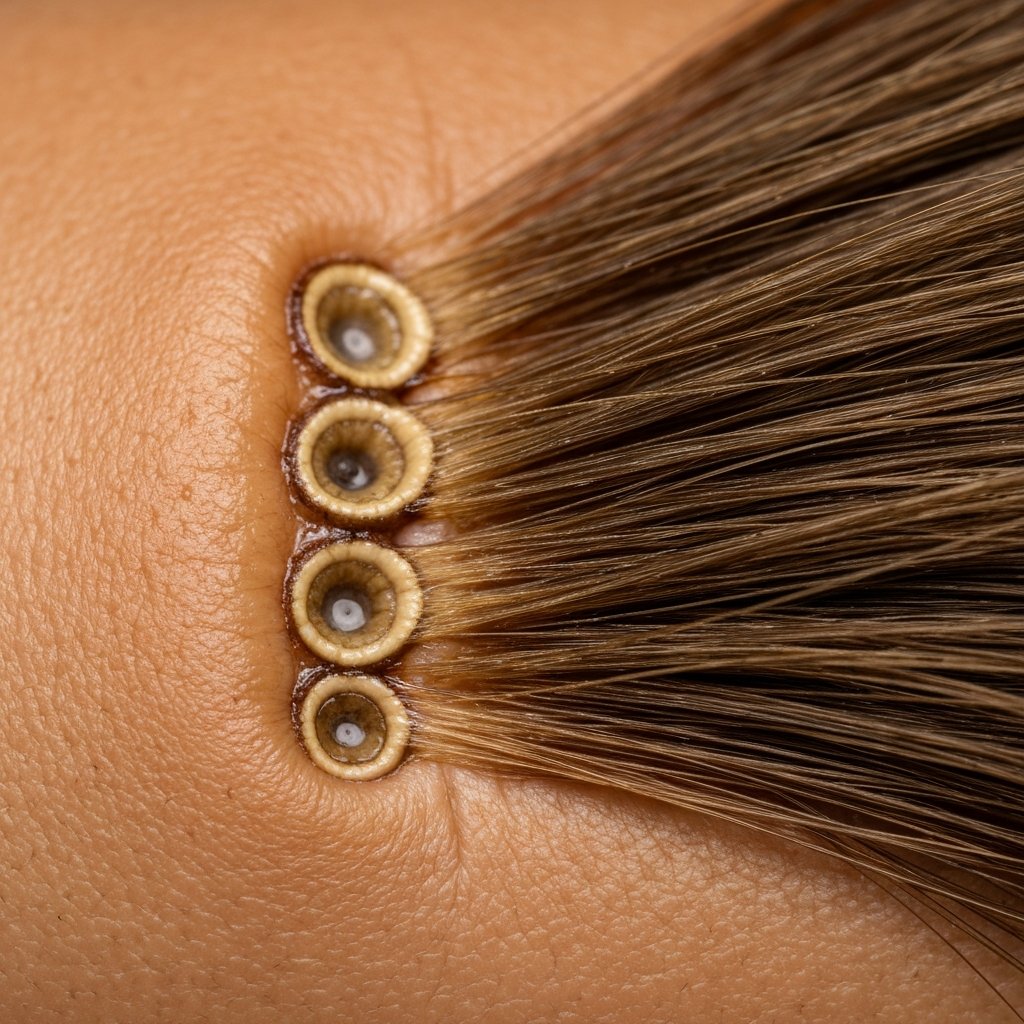
Scalp buildup is a common issue that affects all hair types, from fine and straight to thick and coiled. It occurs when a combination of natural substances and external elements accumulate on the scalp's surface, creating a barrier that can clog hair follicles. This barrier not only affects the aesthetic appearance of the hair—making it look dull and limp—but can also impede healthy hair growth and lead to inflammation or irritation.
In this comprehensive guide, we will explore the science behind scalp buildup, identify the tell-tale signs, and provide detailed, professional-grade deep cleansing methods to restore your scalp's balance. From clarifying shampoos to chemical exfoliants and mechanical tools, we will cover the most effective strategies to detoxify your scalp and revitalize your hair.
The Science of Buildup: What Is Clogging Your Follicles?
To effectively treat scalp buildup, it is essential to understand exactly what the residue consists of. Buildup is rarely caused by a single factor; rather, it is an accumulation of several layers of debris that mix together to form a stubborn film. Understanding these components can help in selecting the right treatment method.
1. Sebum and Dead Skin Cells
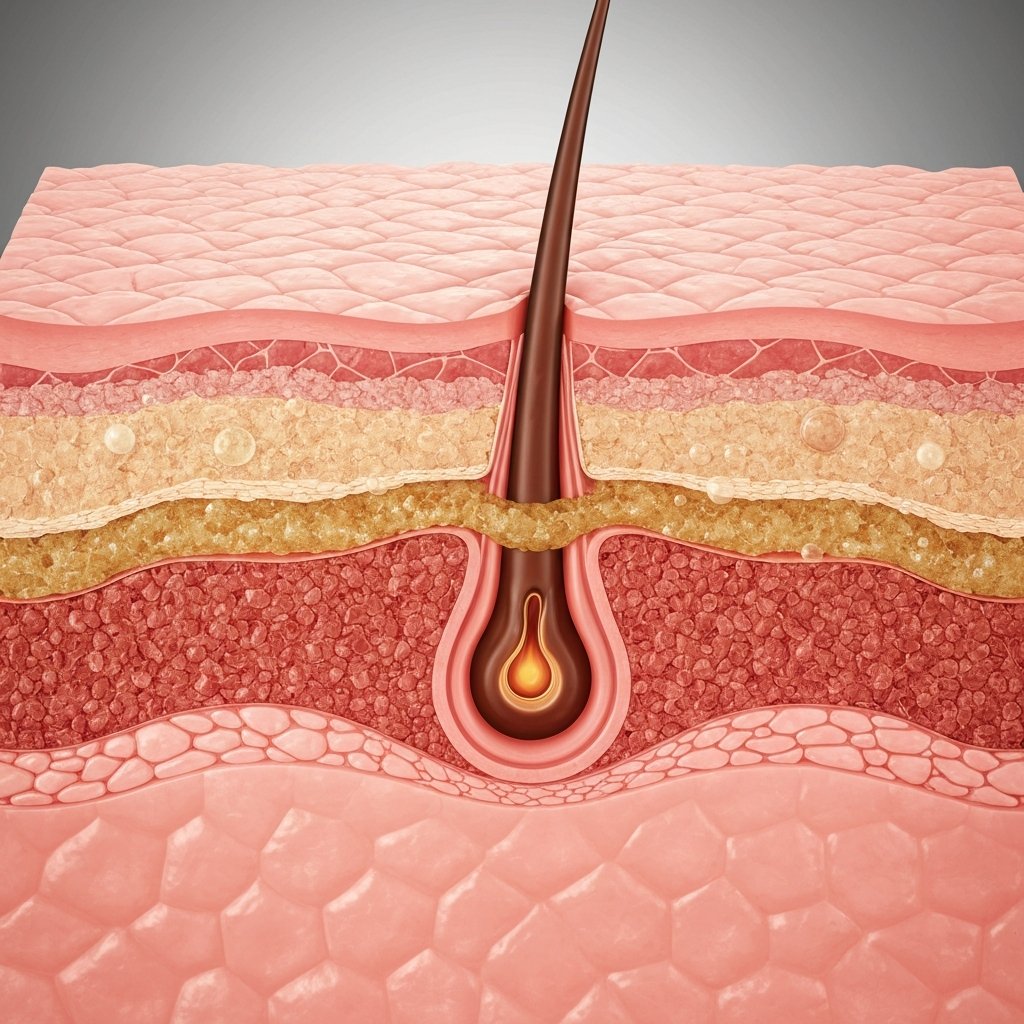
Your scalp naturally produces an oil called sebum. Sebum is vital for moisturizing the skin and protecting the hair shaft. However, when sebum production is excessive, or when the scalp is not cleansed thoroughly, it can mix with dead skin cells. The scalp sheds thousands of skin cells daily. When these cells are trapped by excess oil, they cannot shed naturally, leading to a waxy layer on the skin's surface.2. Product Residue
Modern hair care relies heavily on styling products. Leave-in conditioners, serums, mousses, hairsprays, and dry shampoos are fantastic for styling, but they often contain silicones, waxes, and polymers designed to coat the hair. While these ingredients provide shine and hold, they are often water-resistant. Over time, regular shampoos may fail to remove them completely, leading to layers of product sitting on the scalp and weighing down the roots.3. Environmental Pollutants and Hard Water
External factors play a significant role as well. Dust, smoke, and pollution particles can adhere to the hair and scalp. Additionally, for those living in areas with hard water, mineral deposits such as calcium and magnesium can accumulate on the hair shaft and scalp. This mineral buildup is notoriously difficult to remove and can make the hair feel dry, brittle, and straw-like.Identifying the Signs: Is It Dandruff or Buildup?
Before diving into treatments, it is crucial to distinguish between scalp buildup and other conditions like dandruff or seborrheic dermatitis, as the treatments can differ. While they share similar symptoms, there are key differences in appearance and texture.

- Oily Flakes: Unlike the dry, white flakes of dandruff, buildup often causes flakes that are slightly yellow, sticky, or waxy.
- Dullness and Lack of Volume: The hair looks flat immediately after washing and refuses to hold a style.
- Unpleasant Odor: Trapped bacteria and oils can develop a stale smell even on freshly washed hair.
- Itchiness: A suffocated scalp often becomes itchy and irritated.
- Residue under fingernails: If you gently scratch your scalp and notice a white, waxy substance under your nails, this is a clear indication of product and sebum accumulation.
Method 1: The Power of Clarifying Shampoos
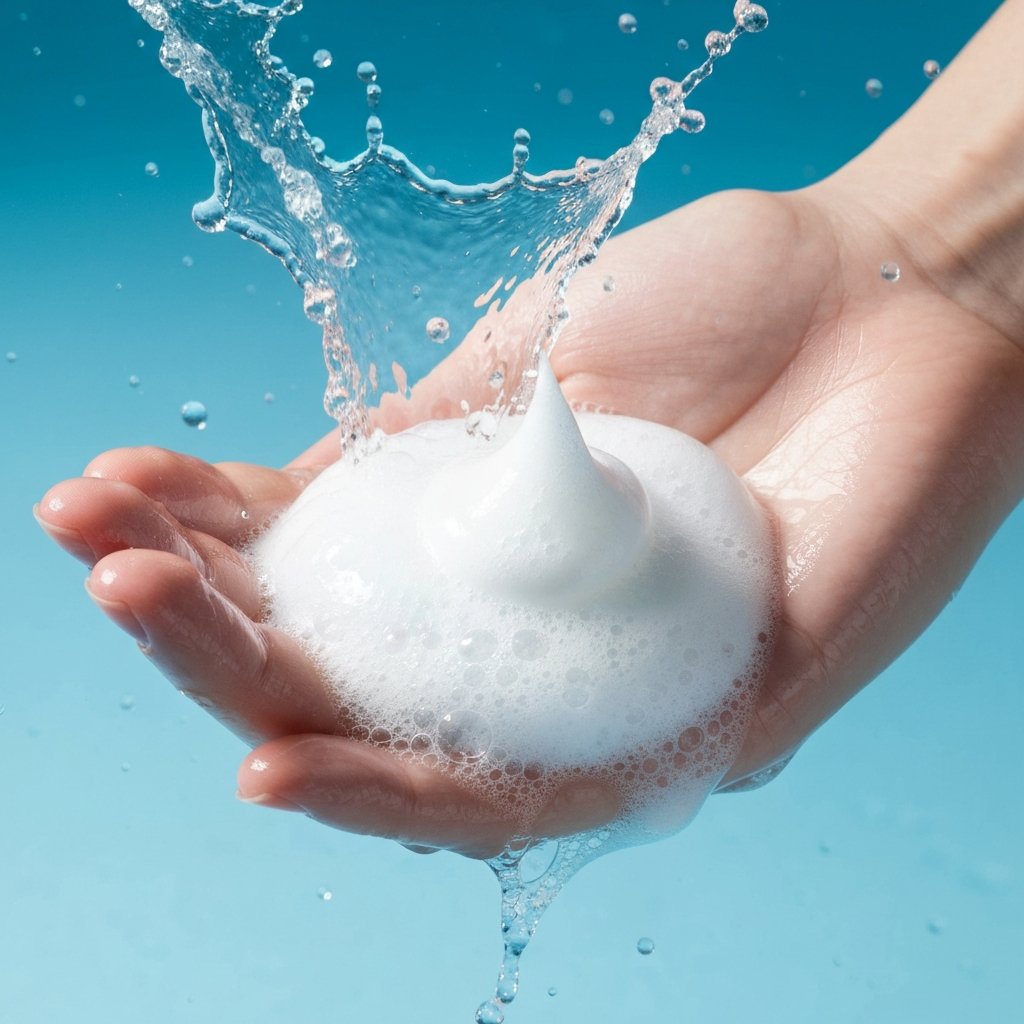
The first line of defense against scalp buildup is a high-quality clarifying shampoo. Unlike moisturizing or color-protecting shampoos, which are formulated with conditioning agents that leave deposits on the hair, clarifying shampoos are designed to strip away impurities. They contain stronger surfactants (cleaning agents) that cut through grease, silicone, and mineral deposits.
How to Use Clarifying Shampoo Correctly
Using a clarifying shampoo requires a different approach than your daily wash. Because these products are potent, they should not be used daily, as they can strip the scalp of necessary natural oils if overused.- Frequency: For most hair types, using a clarifying shampoo once or twice a month is sufficient. Those who use heavy styling products or swim frequently may need to use it weekly.
- Application: Wet the hair thoroughly. Apply the shampoo specifically to the roots and scalp, rather than the lengths of the hair. The runoff will clean the ends sufficiently without drying them out.
- Massage and Wait: Vigorously massage the product into the scalp to physically break down debris. Let the shampoo sit for 2 to 3 minutes to allow the surfactants to dissolve the stubborn buildup before rinsing thoroughly.
- Condition Deeply: Because clarifying shampoos are drying by nature, always follow up with a deep conditioning mask on the mid-lengths and ends to restore moisture balance.
Method 2: Physical Exfoliation with Scalp Scrubs
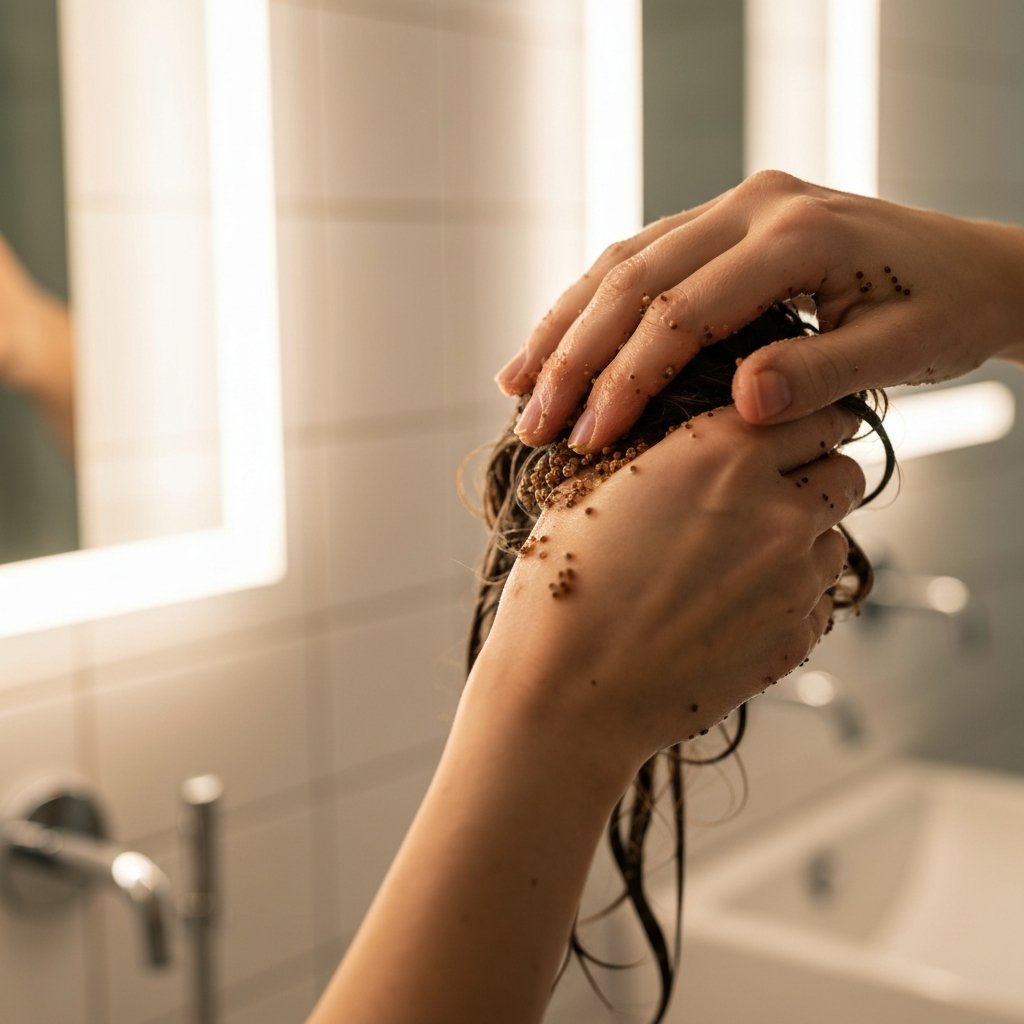
Just as facial scrubs remove dead skin cells to reveal a brighter complexion, scalp scrubs physically buff away the debris clogging your follicles. Physical exfoliation is particularly effective for removing dry, flaky skin and stubborn product layers.
Choosing the Right Scrub
Scalp scrubs typically use physical exfoliants like sugar, sea salt, or dissolvable beads suspended in a cleansing base.- Salt Scrubs: generally more abrasive and excellent for oily scalps that need a deep detox.
- Sugar Scrubs: tend to be gentler and more moisturizing, making them better suited for dry or sensitive scalps.
The Application Technique
To avoid tangling the hair or causing breakage, sectioning is key. Divide damp hair into three or four sections. Apply the scrub directly to the exposed scalp partings. Using the pads of your fingers (never the nails), massage in circular motions. Be gentle; the goal is to lift dead skin, not to scratch the scalp. Rinse thoroughly to ensure no granules are left behind, then shampoo and condition as usual.Method 3: Chemical Exfoliation (AHAs and BHAs)
For those who find physical scrubs too abrasive or difficult to rinse out, chemical exfoliation offers a sophisticated alternative. This method uses acids to dissolve the bonds holding dead skin cells together, allowing them to wash away easily. This is often the preferred method for trichologists dealing with sensitive scalps.

Salicylic Acid (BHA)
Beta Hydroxy Acid (BHA), specifically salicylic acid, is oil-soluble. This means it can penetrate deep into the pores to dissolve sebum from the inside out. It is the gold standard for treating oily scalps and preventing acne or folliculitis on the scalp.Glycolic and Lactic Acid (AHA)
Alpha Hydroxy Acids (AHAs) like glycolic and lactic acid are water-soluble and work on the surface. They are excellent for dissolving surface-level dry skin and hydrating the scalp. Many pre-shampoo treatments and scalp serums now feature these ingredients.To use, apply the chemical exfoliant to a dry or damp scalp (depending on product instructions) before shampooing. Allow it to sit for the recommended time—usually 10 to 15 minutes—to let the acids work their magic before washing it out.
Method 4: Scalp Brushes and Mechanical Tools
Sometimes, your fingers aren't enough. Scalp massagers and shampoo brushes have surged in popularity, and for good reason. These handheld tools, usually made with soft silicone bristles, serve a dual purpose: they enhance the cleansing power of your shampoo and stimulate blood circulation to the hair follicles.

Integrating Tools into Your Routine
Incorporating a scalp brush is one of the easiest ways to prevent future buildup. After applying your shampoo, use the brush to massage the scalp in small, circular motions. The silicone bristles can reach through dense hair to the scalp surface more effectively than fingers, ensuring that the cleanser reaches every nook and cranny. This mechanical action helps dislodge dirt and buildup that is stuck to the roots. Additionally, the stimulation promotes blood flow, which brings oxygen and nutrients to the hair follicle, potentially aiding in growth.Method 5: Natural Remedies and DIY Solutions
For those who prefer natural ingredients or need a quick fix with household items, certain pantry staples can be surprisingly effective at cutting through grease and buildup. However, caution is advised to maintain the pH balance of the scalp.

The Apple Cider Vinegar (ACV) Rinse
Apple Cider Vinegar is a favorite in the natural hair community. It is acidic, which helps to lower the pH of the scalp, flatten the hair cuticle, and dissolve mineral deposits from hard water.How to make an ACV Rinse: Mix one part raw apple cider vinegar with three parts water. After shampooing and conditioning, pour the mixture over the scalp. Let it sit for a minute or two, then rinse with cool water. This not only helps with buildup but also adds incredible shine to the hair. Note: The vinegar smell dissipates once the hair is dry.
Baking Soda: Use with Caution
Baking soda is often touted as a natural clarifier, but it has a very high pH (alkaline). While it effectively scrubs away grease, it can be too harsh for many hair types, potentially lifting the hair cuticle and causing frizz or dryness. If used, it must be followed by an acidic rinse (like ACV) to rebalance the pH. It is generally safer to stick to formulated clarifying products if your hair is chemically treated or fragile.When to Visit a Professional
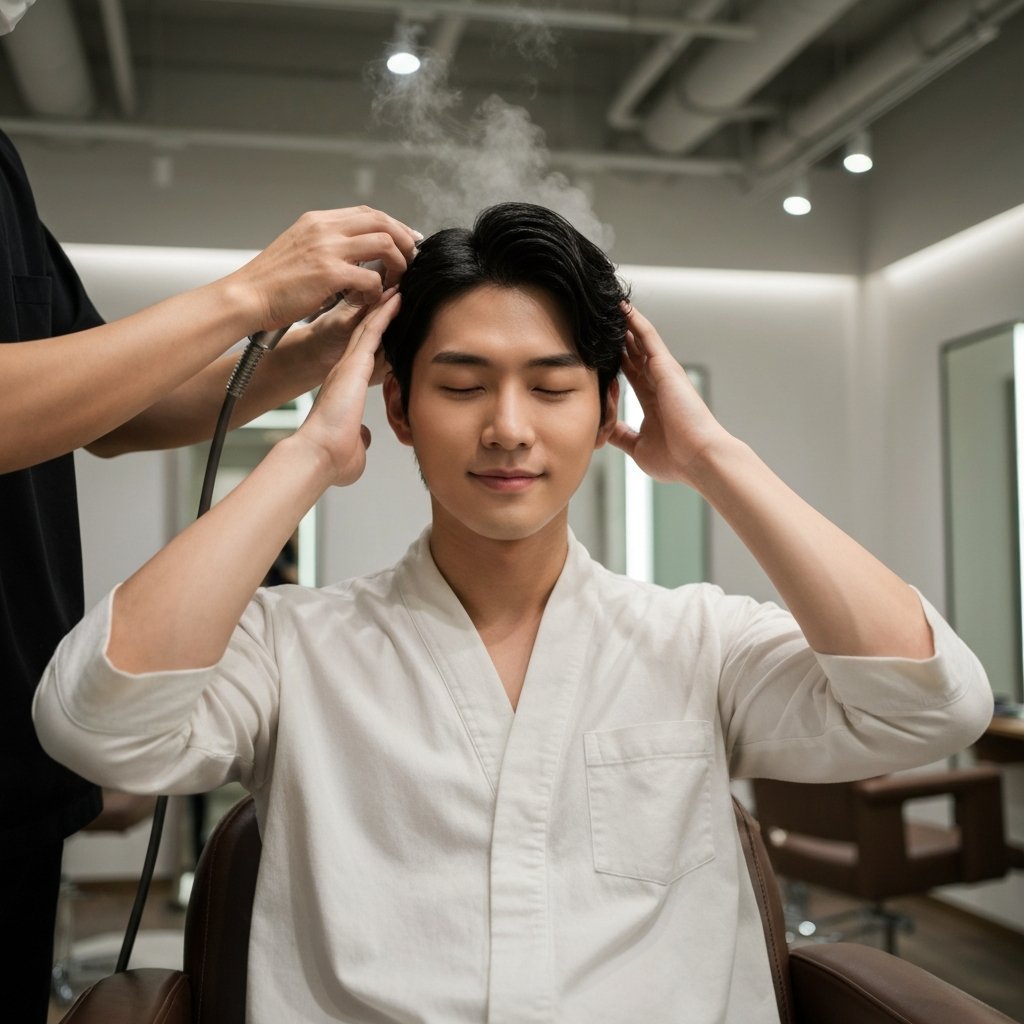
While at-home methods are effective for maintenance, severe buildup may require professional intervention. Many salons offer "scalp facials" or "head spa" treatments. These services utilize professional-grade steamers, ultrasonic scrubbers, and high-concentration serums that are not available for home use.
If you notice persistent itching, redness, bleeding, or patches of hair loss alongside the buildup, it is vital to stop all treatments and consult a dermatologist or a certified trichologist. These could be signs of a skin condition like psoriasis or eczema, which requires medical treatment rather than deep cleansing.
Tips for Preventing Future Buildup
Once you have successfully reset your scalp, the goal is to maintain that clean, breathable environment. Here are essential tips to prevent rapid re-accumulation:

- Double Cleanse: Similar to facial care, consider washing your hair twice. The first wash breaks down oils and styling products; the second wash actually cleans the scalp.
- Rinse Thoroughly: Spend an extra minute rinsing your hair. Leftover shampoo or conditioner is a leading cause of buildup.
- Condition Correctly: Apply conditioner only to the mid-lengths and ends of your hair, avoiding the scalp completely.
- Limit Dry Shampoo: Dry shampoo absorbs oil but adds powder residue. Try to limit its use to once or twice between washes and ensure you wash it out thoroughly.
- Check Your Water: If you have hard water, consider installing a showerhead filter to reduce mineral deposits.
Frequently Asked Questions (FAQ)
Q: How often should I exfoliate my scalp? A: For most people, once every two weeks is sufficient. If you use a lot of styling products or have a very oily scalp, once a week may be necessary. Avoid exfoliating more than once a week to prevent irritation.
Q: Can I use a clarifying shampoo on color-treated hair? A: Yes, but choose one specifically labeled as "color-safe." Some harsh clarifying shampoos can strip hair dye. Always follow with a moisturizing conditioner to prevent color fade due to dryness.
Q: Is scalp buildup the same as dandruff? A: No. Dandruff is typically caused by a yeast overgrowth and results in dry, itchy, flaking skin. Buildup is the accumulation of products, oil, and dirt. Buildup flakes are often sticky or waxy, whereas dandruff flakes are usually dry and loose.
Q: Will deep cleansing my scalp make my hair grow faster? A: Indirectly, yes. A clean scalp provides a healthy environment for hair follicles. By removing blockages and reducing inflammation, you allow hair to grow unimpeded and look healthier.
Q: Can I use body scrub on my scalp? A: It is not recommended. Body scrubs often contain larger, coarser granules that can be too abrasive for the sensitive scalp skin and may be difficult to rinse out of hair.
Conclusion
Scalp health is the unsung hero of beautiful hair. Ignoring scalp buildup can lead to a cycle of bad hair days, frustration, and potential long-term issues. By incorporating deep cleansing methods—whether through clarifying shampoos, physical scrubs, or chemical exfoliants—you can reset your scalp's balance. Remember that consistency is key; a regular detox routine will ensure your follicles remain unclogged, resulting in hair that is voluminous, shiny, and undeniably healthy. Treat your scalp with the same care you give your face, and your hair will thank you for it.


