How to Prevent Hair Loss: Lifestyle and Care Changes | Ultimate Guide
How to Prevent Hair Loss: Lifestyle and Care Changes
Hair health is often a direct reflection of overall well-being, yet it remains one of the most misunderstood aspects of personal care. While genetics play a significant role in hair density and longevity, environmental factors, lifestyle choices, and daily grooming habits are equally critical. Learning how to prevent hair loss is not just about reacting to shedding; it is about adopting a proactive, holistic approach to health that nurtures the follicle from the inside out.
In recent years, the conversation surrounding hair retention has shifted from purely medicinal solutions to a more comprehensive lifestyle audit. From the food on your plate to the temperature of your shower water, every decision impacts the lifecycle of your hair strands. This guide explores the multifaceted approach to maintaining a full, healthy mane, focusing on actionable lifestyle and care changes that can significantly reduce the risk of premature thinning.
Whether you are noticing the first signs of shedding or simply wish to fortify your existing hair against future damage, understanding the biology of hair growth and the stressors that disrupt it is the first step. By integrating specific nutritional adjustments, stress management techniques, and refined grooming practices, individuals can create an environment where hair thrives rather than merely survives.
Understanding the Hair Growth Cycle and Shedding
To effectively tackle hair loss, one must first understand the natural rhythm of hair growth. Every strand of hair on the human scalp operates on its own schedule, cycling through three distinct phases: anagen (growth), catagen (transition), and telogen (resting/shedding). In a healthy scalp, approximately 85% to 90% of hairs are in the anagen phase at any given time, actively growing for a period of two to six years. The remaining hairs are either transitioning or resting, eventually falling out to make room for new growth. It is normal to lose between 50 and 100 hairs a day; however, when this balance is disrupted, the shedding phase accelerates, leading to noticeable thinning.

Disruptions to this cycle can be triggered by a myriad of internal and external factors. Telogen effluvium, a common form of temporary hair loss, occurs when a significant stressor—be it physical trauma, severe illness, or extreme emotional stress—pushes a large number of follicles into the resting phase prematurely. This often results in diffuse thinning several months after the triggering event. Understanding that hair loss is often a delayed reaction to past events is crucial for patience and consistency in treatment. Unlike the skin, which heals relatively quickly, the hair cycle is long, meaning positive lifestyle changes may take three to six months to manifest visible results.
Furthermore, distinguishing between genetic predisposition (androgenetic alopecia) and lifestyle-induced loss is vital. While you cannot alter your DNA, lifestyle changes can delay the onset of genetic thinning and maximize the health of the hair you have. By optimizing the anagen phase through better blood circulation and nutrient delivery, you can prolong the lifespan of each strand, creating a fuller appearance even in the face of genetic challenges. This biological foundation underscores why a "quick fix" is rarely effective and why sustained lifestyle modification is the gold standard for prevention.
Nutritional Foundations: Feeding Your Follicles
Nutrition is perhaps the most controllable variable in the equation of how to prevent hair loss. The hair follicle is one of the most metabolically active tissues in the human body, yet because hair is non-essential for survival, the body prioritizes it last when distributing nutrients. If a diet is lacking in essential vitamins or minerals, hair growth is the first process to be halted. A diet rich in lean proteins is non-negotiable, as hair is primarily composed of keratin, a fibrous structural protein. Without adequate protein intake, hair becomes brittle, weak, and prone to breakage before it even reaches its full length.

Iron deficiency is a leading cause of hair loss, particularly in women. Ferritin, a stored form of iron, is required to produce hair cell protein. When ferritin levels drop, the body borrows from non-essential tissues, causing hair to shed. Incorporating iron-rich foods such as spinach, lentils, red meat, and pumpkin seeds, paired with Vitamin C to enhance absorption, is a critical preventative measure. Similarly, Omega-3 fatty acids, found in salmon, walnuts, and flaxseeds, provide the oils that keep the scalp hydrated and the hair shaft elastic, preventing dry, brittle strands that snap easily.
Beyond macronutrients, micronutrients like Biotin (Vitamin B7), Vitamin D, and Zinc play pivotal roles. Vitamin D is essential for the creation of new hair follicles, and low levels have been consistently linked to alopecia. Zinc helps keep the oil glands around the follicles working properly. However, balance is key; hypervitaminosis (too much of certain vitamins like A) can actually cause hair loss. Therefore, obtaining these nutrients through a balanced, colorful diet is superior to relying solely on high-dose supplements unless prescribed by a healthcare provider. Hydration also plays a silent but deadly role; dehydration halts cell reproduction, leading to weak hair that sheds easily. Drinking adequate water is the simplest, yet most often overlooked, hair care tip.
The Stress Connection: Cortisol and Capillaries
Modern life is replete with stressors, and the connection between chronic stress and hair loss is well-documented scientifically. When the body is under stress, it produces cortisol, the "fight or flight" hormone. High levels of cortisol can degrade essential skin components like hyaluronan and proteoglycans—substances that are crucial for the function and protection of the hair follicle. More directly, stress constricts blood vessels (vasoconstriction), reducing blood flow to the scalp. Since blood carries the oxygen and nutrients necessary for hair growth, restricted circulation effectively starves the follicles, forcing them into the resting phase.

Managing stress is, therefore, a tangible hair loss prevention strategy. This involves more than just "relaxing"; it requires active regulation of the nervous system. Practices such as yoga and meditation have been shown to lower cortisol levels and improve systemic circulation. Even simple deep-breathing exercises practiced for ten minutes a day can switch the body from a sympathetic (stressed) state to a parasympathetic (healing) state. Sleep hygiene is equally critical. During deep sleep, the body produces growth hormones and repairs tissues, including hair follicles. Chronic sleep deprivation acts as a physical stressor, perpetuating the cycle of shedding.
Physical activity is another powerful tool in mitigating stress-induced hair loss. Regular cardiovascular exercise improves circulation, ensuring that the scalp receives a steady supply of oxygenated blood. It also stimulates the production of endorphins, which counteract cortisol. However, it is important to wash the hair after heavy sweating, as the accumulation of sweat and salts on the scalp can clog pores and create an unhealthy environment for hair growth. Viewing stress management as part of a hair care regimen helps individuals prioritize mental health as a means to physical beauty.
Optimizing Your Wash and Care Routine
The mechanics of how one washes and conditions their hair can either preserve density or accelerate loss. Many individuals unknowingly damage their hair through aggressive washing habits. The frequency of washing depends on hair type and scalp oil production, but over-washing can strip the scalp of natural sebum, leading to dryness and compensatory overproduction of oil, which can clog follicles. Conversely, under-washing can lead to a buildup of product, sweat, and dead skin cells (folliculitis), which inflames the scalp and inhibits growth. Finding a balance—typically washing 2-3 times a week for most hair types—is essential.

Water temperature is a subtle but significant factor. scalding hot water can damage the hair cuticle and irritate the scalp skin, leading to inflammation. Lukewarm water is ideal for cleansing, as it opens the cuticle enough to remove dirt without causing heat damage. Finishing with a cool rinse helps seal the cuticle, locking in moisture and smoothing the hair shaft. Furthermore, the choice of shampoo is critical. Sulfates and parabens can be harsh on thinning hair. Opting for gentle, volumizing, or sulfate-free formulas that clean without stripping is vital for maintaining the structural integrity of fragile strands.
Mechanical damage during the drying process is another common culprit. Wet hair is in its most fragile state because the bonds within the hair shaft are temporarily broken. Vigorously rubbing wet hair with a rough cotton towel causes friction that leads to breakage and frizz. Instead, using a microfiber towel or an old cotton t-shirt to gently squeeze out excess water can save countless strands over time. Detangling should always be done with a wide-tooth comb or a brush designed for wet hair, starting from the ends and working up to the roots to minimize tension on the follicle.
Styling Habits: The Hidden Culprits of Thinning
While styling products and tools help achieve a desired look, they are often the silent architects of hair loss. "Traction alopecia" is a specific type of hair loss caused by constant tension on the hair roots. Tight ponytails, braids, buns, and heavy extensions pull on the follicle, eventually damaging it to the point where it scars over and ceases to produce hair. To prevent this, it is crucial to vary hairstyles and avoid styles that cause pain or tension headaches. Using silk or satin scrunchies instead of elastic bands with metal clasps can also reduce friction and breakage.
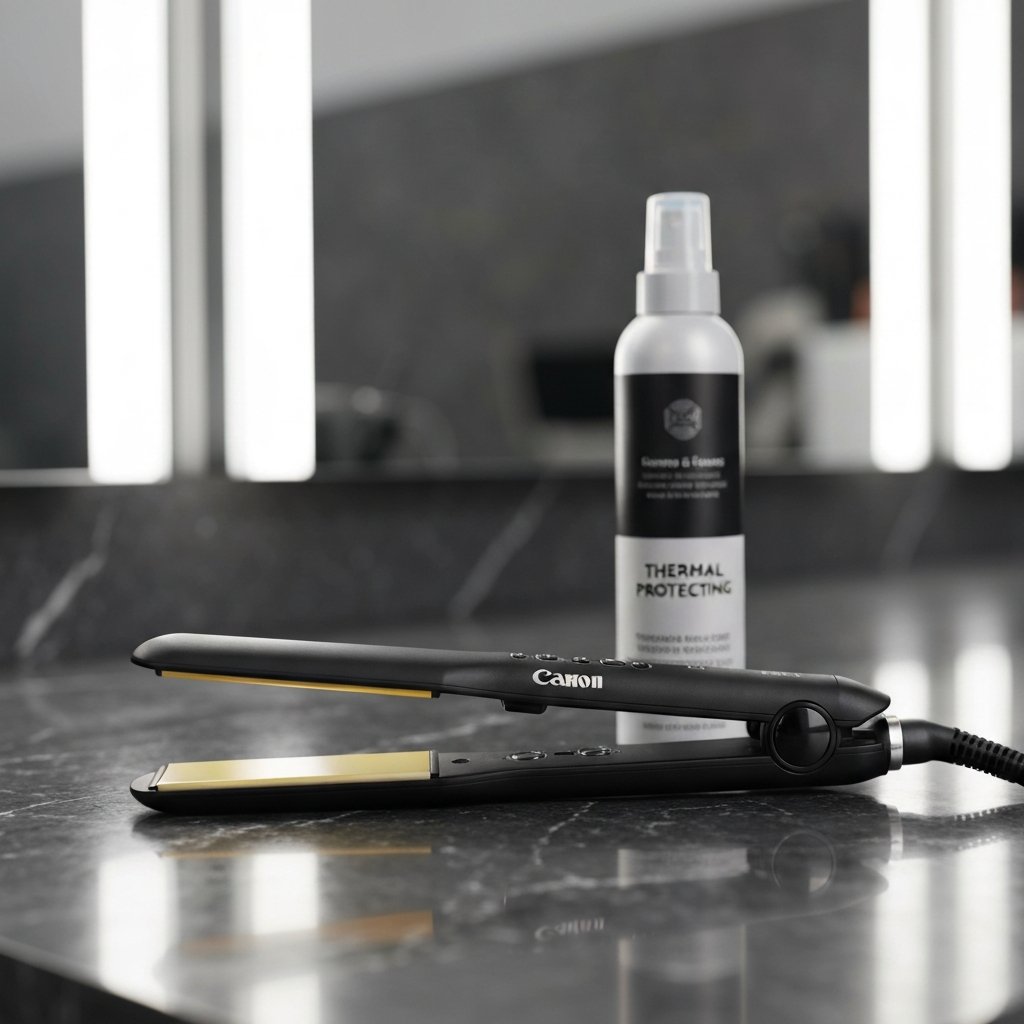
Heat styling is another major aggressor. Regular use of blow dryers, flat irons, and curling wands at high temperatures boils the water content inside the hair shaft, causing bubbles that weaken the structure (a condition known as "bubble hair"). Over time, this leads to dry, brittle hair that snaps off, reducing overall volume. To mitigate this, one should always use a high-quality heat protectant spray, which acts as a barrier between the tool and the hair. Additionally, lowering the temperature setting on tools and limiting heat styling to once or twice a week allows the hair to recover and maintain its natural moisture balance.
Chemical processing—bleaching, relaxing, and perming—compromises the protein structure of the hair. While professional salons use high-grade products to minimize damage, frequent chemical treatments can leave hair porous and weak. If hair is already thinning, it is advisable to take a break from harsh chemicals or opt for gentler, demi-permanent dyes and bond-building treatments that help repair the hair's internal structure. Prevention in this context means prioritizing the health of the fiber over the color or texture trend of the moment.
Scalp Health: The Soil for Growth
A healthy scalp is the prerequisite for healthy hair; one cannot exist without the other. Think of the scalp as soil and the hair as a plant—if the soil is nutrient-poor or cluttered with debris, the plant will not thrive. Scalp exfoliation has emerged as a key practice in hair loss prevention. Just like the face, the scalp accumulates dead skin cells. Using a gentle scalp scrub or a chemical exfoliant (like salicylic acid) once every two weeks helps unclog follicles and promotes cell turnover. This creates a clear pathway for new hair to emerge.
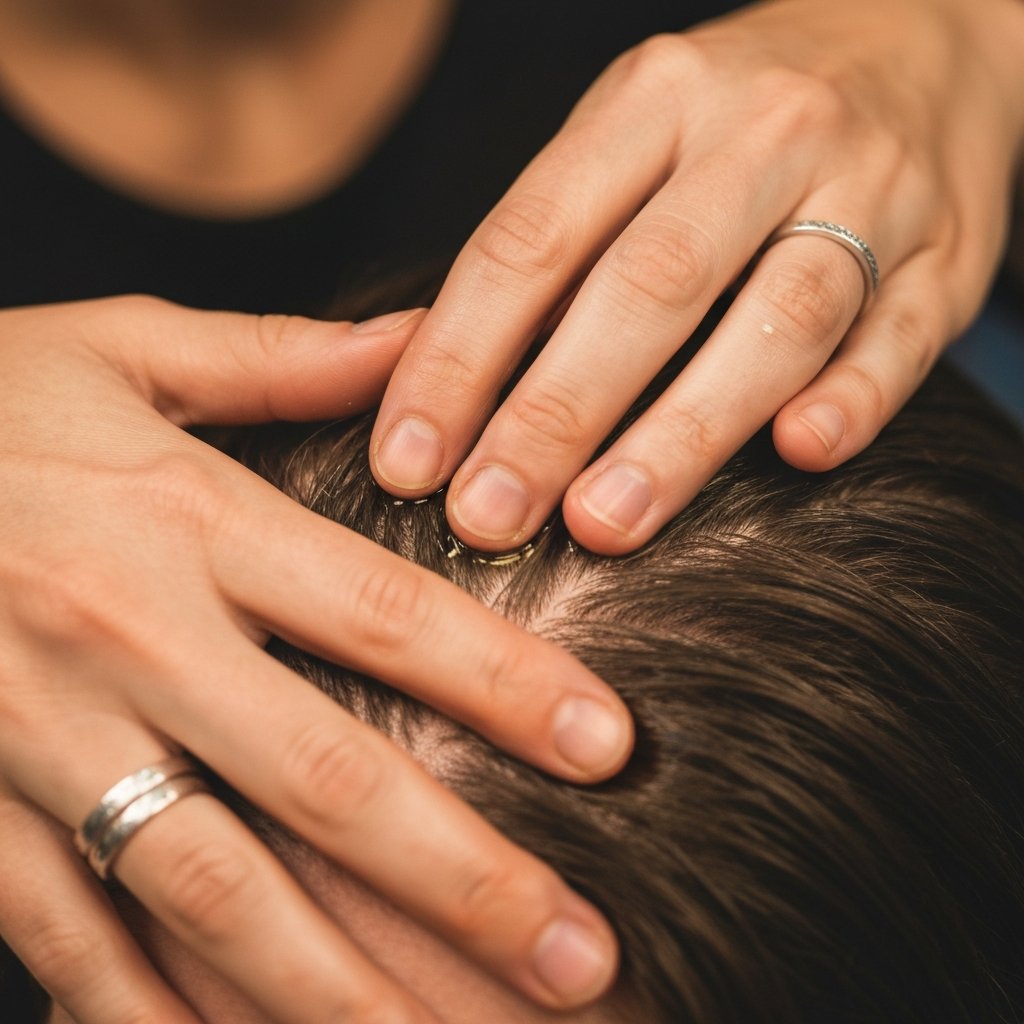
Scalp massage is another effective, zero-cost technique. Massaging the scalp for four to five minutes daily increases blood flow to the area, delivering more nutrients and oxygen to the follicles. This can be done with fingertips or a silicone scalp massager. Some studies suggest that the mechanical stress of massage on the dermal papilla cells (at the base of the follicle) may stimulate them to produce thicker hair. Incorporating essential oils, such as rosemary oil or peppermint oil (always diluted in a carrier oil like jojoba or coconut), can enhance the effects. Rosemary oil, in particular, has shown promise in clinical studies for promoting hair growth similar to minoxidil, by improving circulation and reducing inflammation.
Maintaining the scalp's microbiome is also important. The scalp has a delicate balance of bacteria and yeast. Overuse of heavy styling products, dry shampoos, or oils can disrupt this balance, leading to dandruff or seborrheic dermatitis. These conditions cause itching, and the subsequent scratching can physically damage hair roots and lead to shedding. Keeping the scalp clean, hydrated, and free of inflammation is a cornerstone of preventing hair loss.
Professional Treatments and When to Seek Help
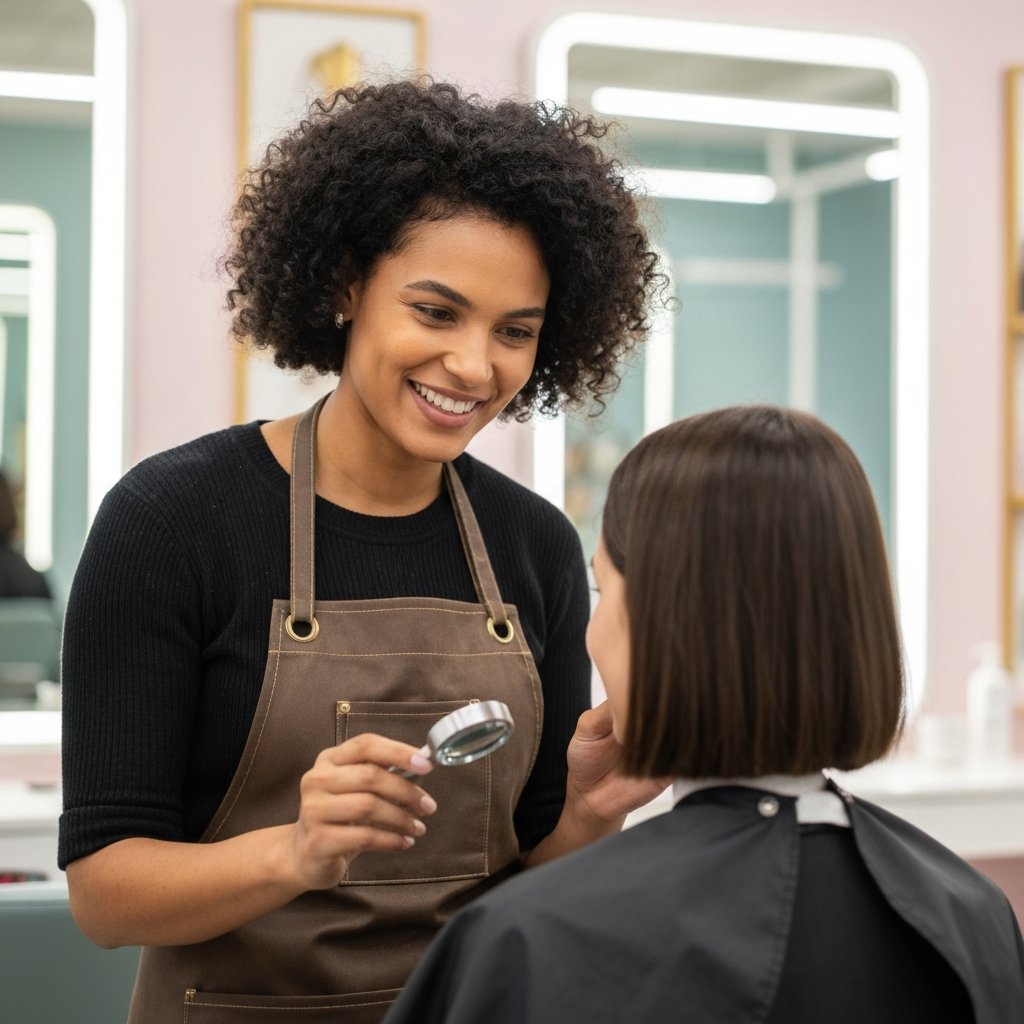
While lifestyle changes are powerful, there comes a point where professional intervention may be necessary to halt hair loss or regrow hair. Professional salons often offer deep conditioning treatments, bond-building therapies, and scalp facials that go beyond what at-home products can achieve. These treatments can restore moisture, repair damage, and create an optimal environment for growth. Regular trims are also essential; while cutting the ends does not affect the root, it removes split ends that can travel up the hair shaft and cause breakage, making the hair appear thinner.
For more advanced hair loss, dermatologists and trichologists can offer therapies such as Platelet-Rich Plasma (PRP) injections. This involves drawing the patient's blood, spinning it to concentrate the platelets, and injecting them into the scalp to stimulate inactive follicles. Low-Level Laser Therapy (LLLT) is another FDA-cleared option that uses red light to energize cells and prolong the anagen phase. These treatments work best when combined with the lifestyle changes discussed above.
It is crucial to consult a professional if hair loss is sudden, patchy, accompanied by itching or burning, or if there are signs of scarring. These could be symptoms of autoimmune conditions or hormonal imbalances (like thyroid issues) that require medical treatment. Early diagnosis is the best form of prevention, as it allows for the preservation of follicles before they are permanently lost.
Actionable Tips for Daily Prevention
- Switch to Silk: Sleep on a silk or satin pillowcase to reduce friction and prevent hair pulling while you toss and turn.
- Cool Down: Always finish your shower with a cool rinse to close the hair cuticle and boost shine.
- Loose Styles: Opt for loose braids or low ponytails rather than tight top-knots to prevent traction alopecia.
- Dietary Check: Ensure you are getting at least 45-50 grams of protein daily to support keratin production.
- Sun Protection: Wear a hat or use hair products with UV protection when spending extended time outdoors to prevent UV damage to the hair protein.
- Brush Gently: Never brush wet hair with a standard bristle brush; use a wide-tooth comb and start from the ends.

Frequently Asked Questions
Can wearing hats cause hair loss?
Generally, no. This is a common myth. Wearing hats regularly does not cut off circulation to the scalp or cause hair to fall out. However, if a hat is extremely tight, it could cause traction alopecia over time. Additionally, dirty hats can harbor bacteria, which might irritate the scalp, so it is important to wash your headwear regularly.How often should I wash my hair to prevent thinning?
There is no one-size-fits-all answer, but most experts recommend washing 2 to 3 times a week. Washing too frequently can dry out the hair, leading to breakage, while washing too rarely can lead to scalp buildup that clogs follicles. Listen to your scalp: if it feels itchy or oily, it is time to cleanse.Are hair growth supplements effective?
Supplements can be effective if—and only if—your hair loss is caused by a nutritional deficiency. If you are already getting adequate Biotin, Iron, and Zinc from your diet, taking extra supplements may not result in noticeable growth. Always consult a doctor before starting a new supplement regimen.Does cutting hair make it grow back thicker?
No, cutting hair does not alter the biology of the follicle or the rate of growth. However, regular trims remove thin, split ends, which makes the hair appear fuller and healthier. It prevents breakage from traveling up the shaft, preserving the length you have.Is stress-induced hair loss permanent?
Usually, stress-induced hair loss (Telogen Effluvium) is temporary. Once the stressor is removed or managed, the hair growth cycle typically normalizes, and hair regrows within 6 to 9 months. However, chronic, unmanaged stress can lead to chronic shedding.Can hard water affect hair loss?
Yes, hard water contains high levels of minerals like calcium and magnesium, which can build up on the hair shaft, making it brittle and difficult to manage. It can also dry out the scalp. Installing a showerhead filter can help mitigate these effects and improve hair health.Conclusion
Preventing hair loss is rarely about a single miracle product; it is the cumulative result of consistent, healthy choices. By understanding the science of the hair cycle and respecting the biological needs of the follicle, individuals can take control of their hair health. From filling your plate with iron-rich foods to lowering the heat on your styling tools, every small change contributes to a stronger, more resilient head of hair.
While genetics and age are inevitable factors, the environment we create for our hair is largely within our control. By adopting these lifestyle and care changes, you are not just preserving your hair; you are investing in your overall vitality. If you are concerned about persistent shedding, do not hesitate to reach out to professional stylists or dermatologists who can guide you toward personalized solutions. Start your journey to healthier hair today—your future self will thank you.


