The Science Behind Hair Porosity and Why It Matters | A Complete Guide to Hair Health
Have you ever wondered why certain hair products work miracles for your best friend but leave your hair feeling greasy, dry, or straw-like? Or perhaps you are puzzled by why your hair takes hours to dry, while others seem to achieve a salon-finish blowout in minutes. The answer often lies not in the texture or curl pattern of the hair, but in a microscopic characteristic known as hair porosity.
Understanding the science behind hair porosity is arguably the most critical step in curating a successful hair care regimen. It is the missing link that explains how your hair interacts with moisture and products. Porosity dictates how well your hair can absorb and retain hydration, and without this knowledge, you are essentially flying blind when selecting shampoos, conditioners, and styling treatments. By mastering this concept, individuals can transform their hair health from the inside out.
This comprehensive guide will delve deep into the biological structure of the hair shaft, the chemistry of moisture retention, and the practical steps needed to identify and treat specific porosity types. Whether dealing with virgin hair or chemically treated strands, understanding porosity is the key to unlocking the full potential of any mane.
The Anatomy of a Hair Strand: Understanding the Cuticle
To understand porosity, one must first understand the architecture of a single strand of hair. Hair is primarily composed of a protein called keratin and consists of three distinct layers: the medulla (the innermost core), the cortex (the middle layer containing pigment and providing strength), and the cuticle (the outermost protective layer). The science of porosity is almost entirely centered around the condition and structure of the cuticle.

Imagine the hair cuticle as a roof covered in overlapping shingles. In a healthy state, these shingles lie flat against the cortex, protecting the delicate inner structures from environmental damage while allowing a regulated amount of moisture to enter and exit. This structural integrity is what gives healthy hair its shine; smooth surfaces reflect light better than rough ones. However, the arrangement of these 'shingles' varies significantly from person to person due to genetics, chemical processing, and environmental exposure.
When scientists talk about porosity, they are referring to how tightly or loosely these cuticle scales are arranged. If the scales are tightly bound and overlapping closely, the hair is considered to have low porosity. If the scales are raised, damaged, or missing entirely, the hair has high porosity. This structural variance determines the hair's permeability—its ability to let water and cosmetic ingredients pass through the barrier. Understanding this microscopic landscape is essential because it dictates the mechanical behavior of the hair when wet or dry.
The Three Spectrums of Porosity
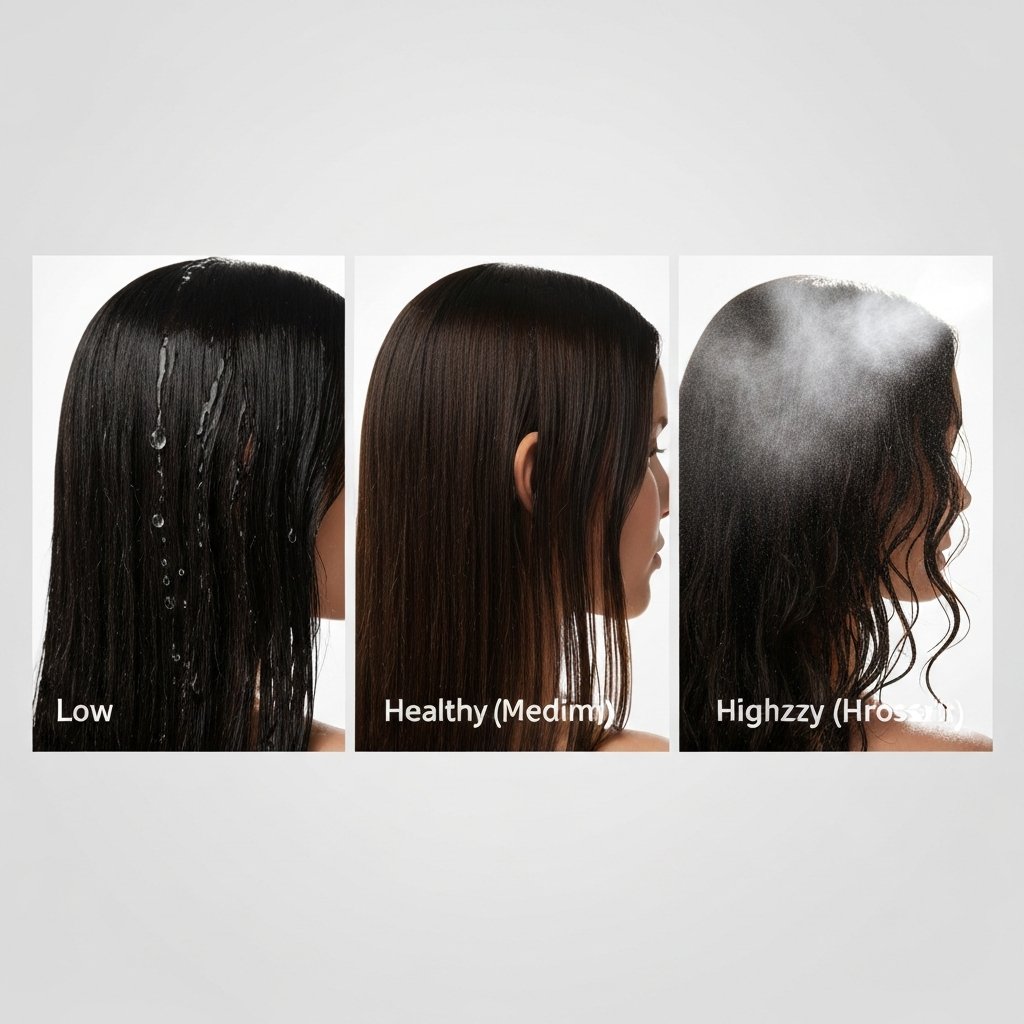
Hair porosity is generally categorized into three distinct levels: Low, Medium (or Normal), and High. Each level presents its own set of advantages and challenges, requiring a tailored approach to maintenance and styling. It is important to note that porosity is not always uniform; it is possible to have different porosity levels on different parts of the head, or even along the length of a single hair strand (e.g., low porosity roots and high porosity ends).
Low Porosity: The Fortress
Low porosity hair is characterized by a cuticle layer with scales that lay flat and tight, much like closed blinds. This structure creates a formidable barrier against moisture. While this might sound beneficial for protection, it poses a significant challenge: it is incredibly difficult to get water and products into the hair shaft.
Individuals with low porosity hair often find that products sit on top of their hair rather than absorbing, leading to severe buildup. Water may bead up on the hair surface in the shower rather than soaking in immediately. However, once moisture does penetrate low porosity hair, it is retained very well because the closed cuticles trap it inside. This hair type typically takes a very long time to dry and is naturally shiny but lacks elasticity if not properly hydrated.
Medium Porosity: The Ideal Balance
Medium porosity is often referred to as the "Goldilocks" of hair types. The cuticle scales are slightly raised, allowing moisture and ingredients to penetrate the shaft with relative ease, but they are not so open that moisture escapes too quickly.
Hair with medium porosity holds styles well, colors easily, and looks healthy and resilient. It requires the least amount of maintenance compared to the extremes of the spectrum. However, medium porosity hair is not immune to damage. Over time, heat styling, coloring, and UV exposure can disrupt the cuticle layer, pushing the hair toward high porosity if not cared for with preventative measures.
High Porosity: The Open Gate
High porosity hair has a cuticle layer that is raised, chipped, or widely spaced. Under a microscope, it looks like a pinecone that has opened up. This can be a result of genetics, but it is frequently caused by damage from chemical processing (like bleaching or relaxing), excessive heat styling, or harsh environmental factors.
The defining characteristic of high porosity hair is its voracious appetite for moisture. It absorbs water almost instantly when wet. However, because the "gates" are wide open, it loses that moisture just as quickly as it absorbed it. This leads to hair that is perpetually dry, prone to frizz, and often tangles easily. High porosity hair dries very quickly but often feels rough to the touch and looks dull due to the uneven surface of the cuticle.
The Science of pH and Its Impact on Porosity
The pH level (potential of hydrogen) plays a massive role in the behavior of the hair cuticle and is intrinsically linked to porosity management. Hair is naturally acidic, with a pH ranging between 4.5 and 5.5. This acidity keeps the cuticle scales lying flat and smooth.
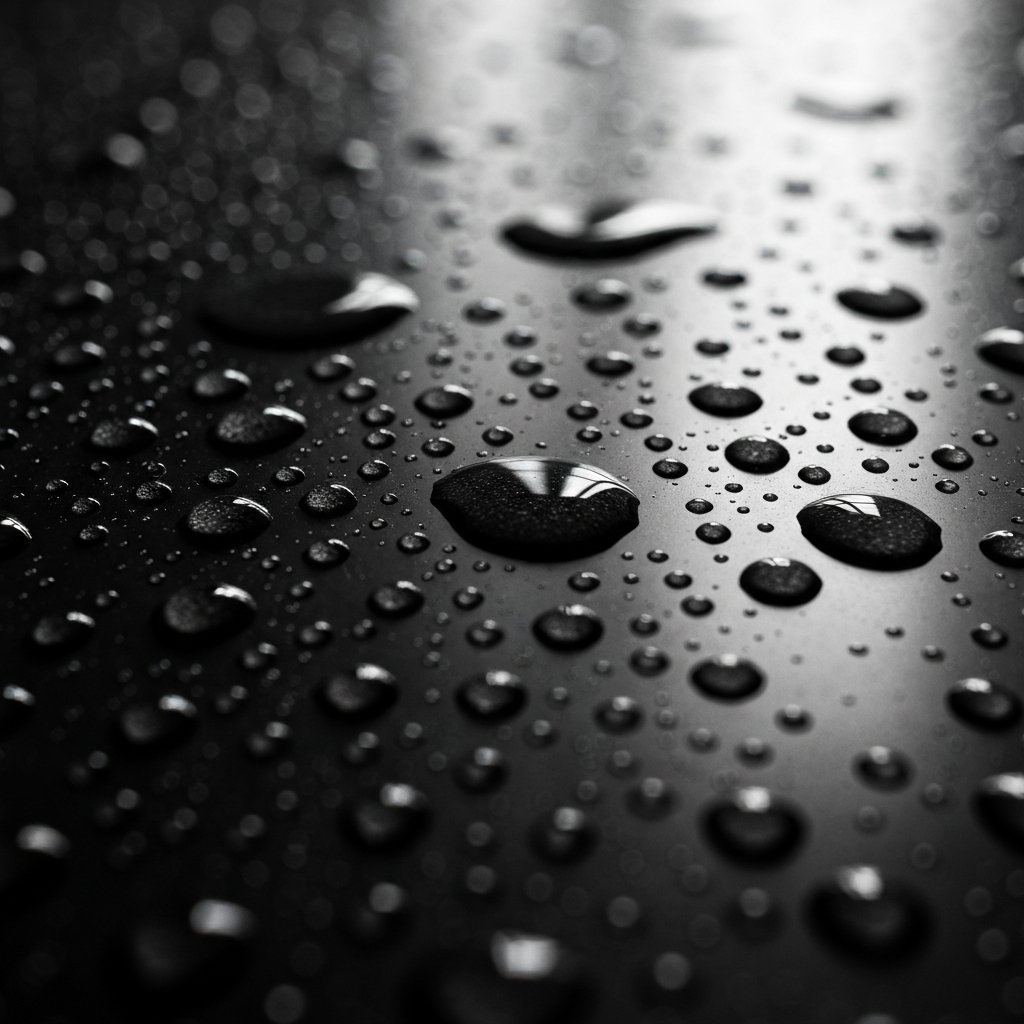
When hair is exposed to alkaline substances (high pH), such as ammonia found in hair dyes, baking soda, or harsh shampoos, the cuticle swells and lifts. This is how chemical treatments work; they force the cuticle open to deposit color or alter the internal structure. For someone with low porosity hair, slightly alkaline environments (like warm water or steam) can help open the cuticle to receive moisture. Conversely, acidic products (like aloe vera or apple cider vinegar rinses) help contract and close the cuticle, which is vital for high porosity hair to seal in moisture and prevent frizz.
Understanding pH balance allows for a scientific approach to product selection. Professional salons utilize this chemistry daily to ensure chemical services are performed safely and to restore the hair's natural barrier function post-treatment.
Diagnostic Tests: How to Identify Your Porosity
Before overhauling a hair care routine, accurate identification is necessary. While a professional analysis under a microscope is the most accurate method, there are several at-home tests that provide reliable indicators of hair porosity.

The Float Test
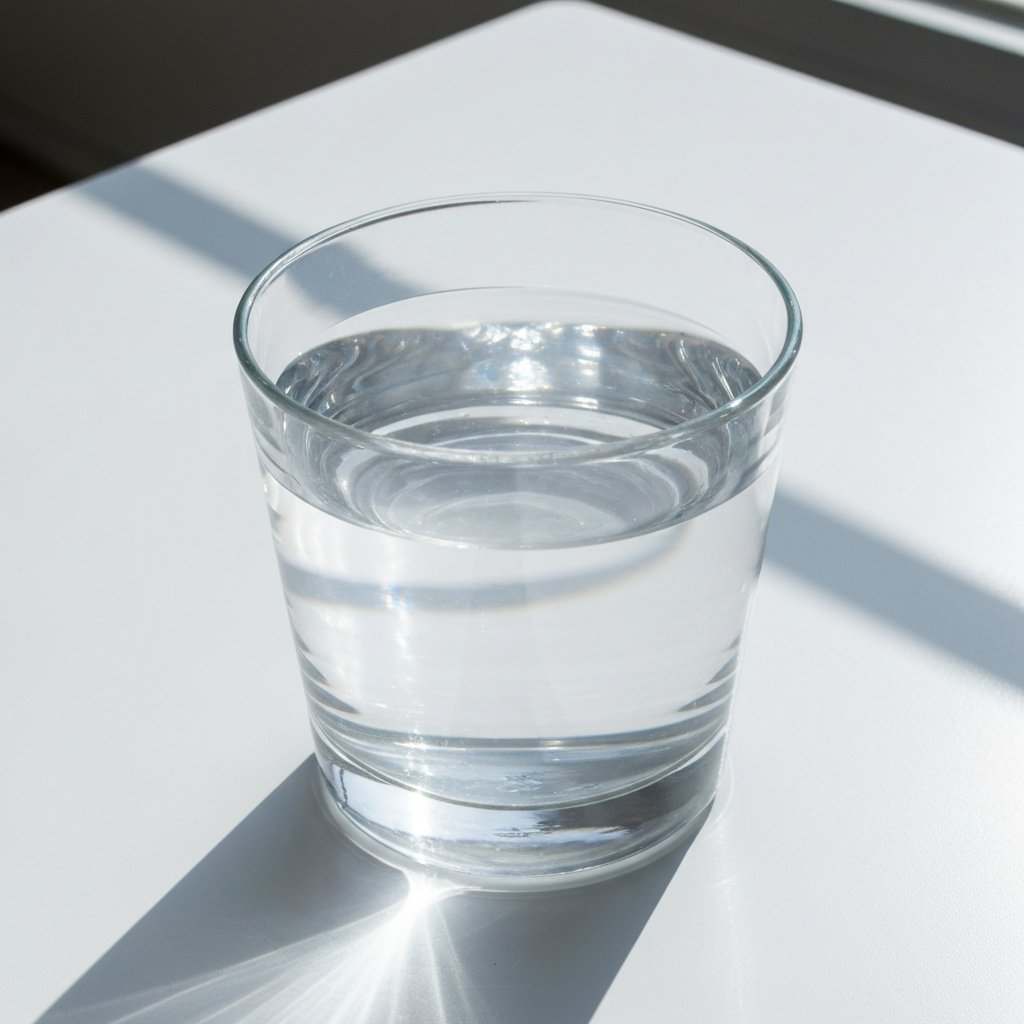
The most popular method is the Float Test. To perform this, take a couple of strands of clean, product-free hair (shed hair from a brush works well) and drop them into a glass of room-temperature water.
- Floating: If the hair floats at the top after 2-4 minutes, it is likely Low Porosity. The tight cuticle is preventing water absorption.
- Sinking Slowly: If it hovers in the middle, it is Medium Porosity.
- Sinking Quickly: If the hair sinks immediately to the bottom, it is High Porosity. The hair absorbed the water instantly, increasing its density.
Note: This test can be inaccurate if the hair is coated in oil or silicone, which creates a false barrier. Ensure hair is clarified before testing.
The Spray Bottle Test
Mist a section of dry hair with water. If the water beads up and rolls off, the porosity is low. If it absorbs immediately and the hair feels damp instantly, the porosity is high. If it sits for a moment and then absorbs, it is medium.
Specialized Care for Low Porosity Hair
Managing low porosity hair requires improved absorption techniques. The goal is to gently lift the cuticle to let moisture in.
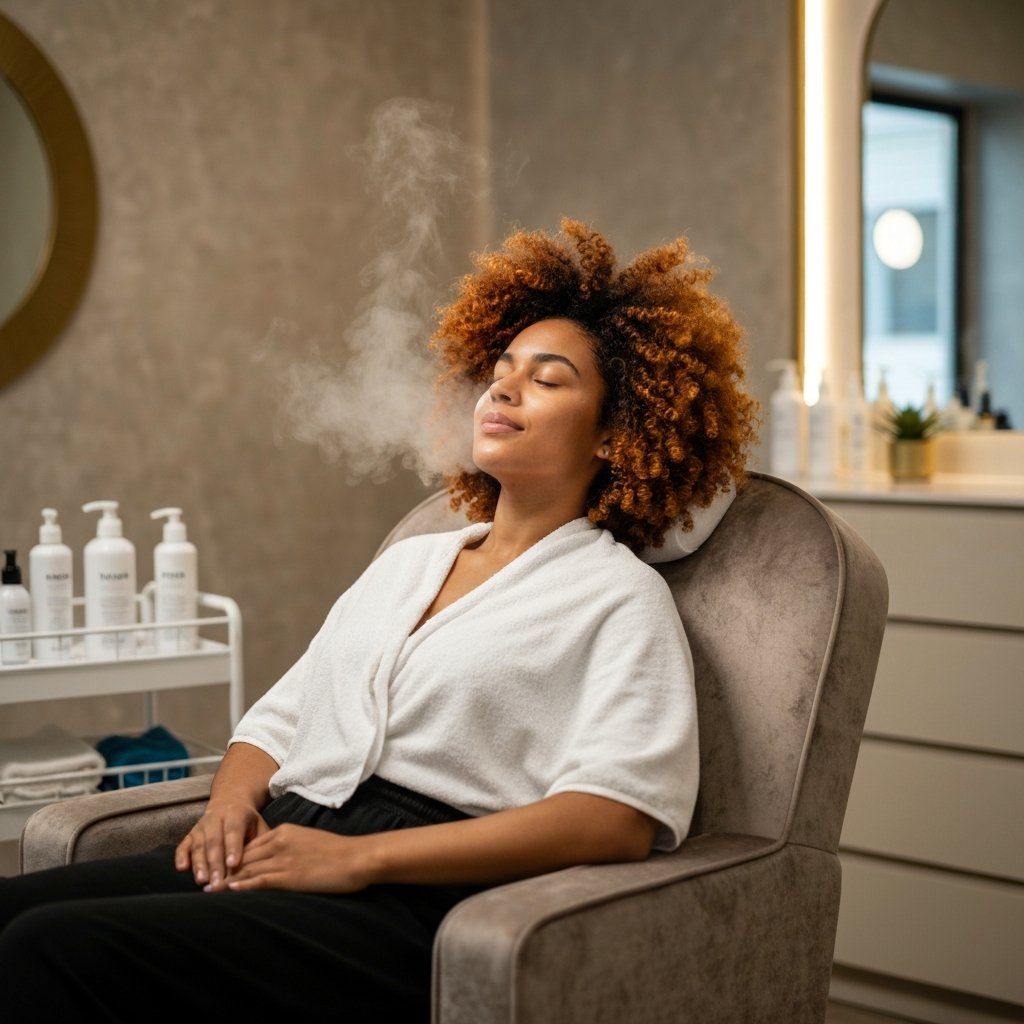
- Use Heat: Heat is the best friend of low porosity hair. Use a steamer, a heat cap, or a warm towel during deep conditioning treatments. The heat lifts the cuticle scales, allowing conditioners to penetrate the cortex.
- Apply Products to Wet Hair: Apply leave-in conditioners while the hair is soaking wet and the cuticles are swollen from the warm water.
- Avoid Heavy Oils: Heavy butters like shea or castor oil tend to sit on top of low porosity hair, causing buildup. Opt for lightweight, penetrating oils like argan, grapeseed, or jojoba oil.
- Humectants are Key: Look for ingredients like glycerin and honey in products. These humectants draw moisture from the air into the hair shaft.
- Clarify Regularly: Because products sit on the surface, low porosity hair is prone to buildup. Use a clarifying shampoo once or twice a month to keep the cuticle clear.
Specialized Care for High Porosity Hair
The strategy for high porosity hair focuses on damage repair, filling the gaps in the cuticle, and sealing moisture in.
- Protein Treatments: High porosity hair often has gaps in the keratin structure. Protein treatments (containing hydrolyzed wheat, silk, or soy protein) temporarily fill these holes, strengthening the hair and reducing breakage.
- The LCO Method: Use the Liquid, Cream, Oil method. Start with a water-based leave-in (Liquid), follow with a moisturizing Cream, and finish with a heavy Oil or butter to seal the cuticle.
- Cold Water Rinses: Always finish a wash day with a cool water rinse. The cold temperature helps to shock the cuticle into closing, trapping the moisture inside.
- Heavy Sealants: Unlike low porosity types, high porosity hair benefits from heavy sealants like shea butter, castor oil, and avocado oil which create an artificial barrier over the raised cuticles.
- Apple Cider Vinegar (ACV) Rinses: An ACV rinse helps lower the pH of the hair, encouraging the cuticle to lay flat.
Tips for Maintaining Healthy Porosity
Regardless of where hair falls on the spectrum, maintaining the integrity of the cuticle is paramount for long-term health.
- Protect from UV: Just like skin, hair cuticles can be damaged by the sun. Use UV-protectant sprays or wear hats during prolonged exposure.
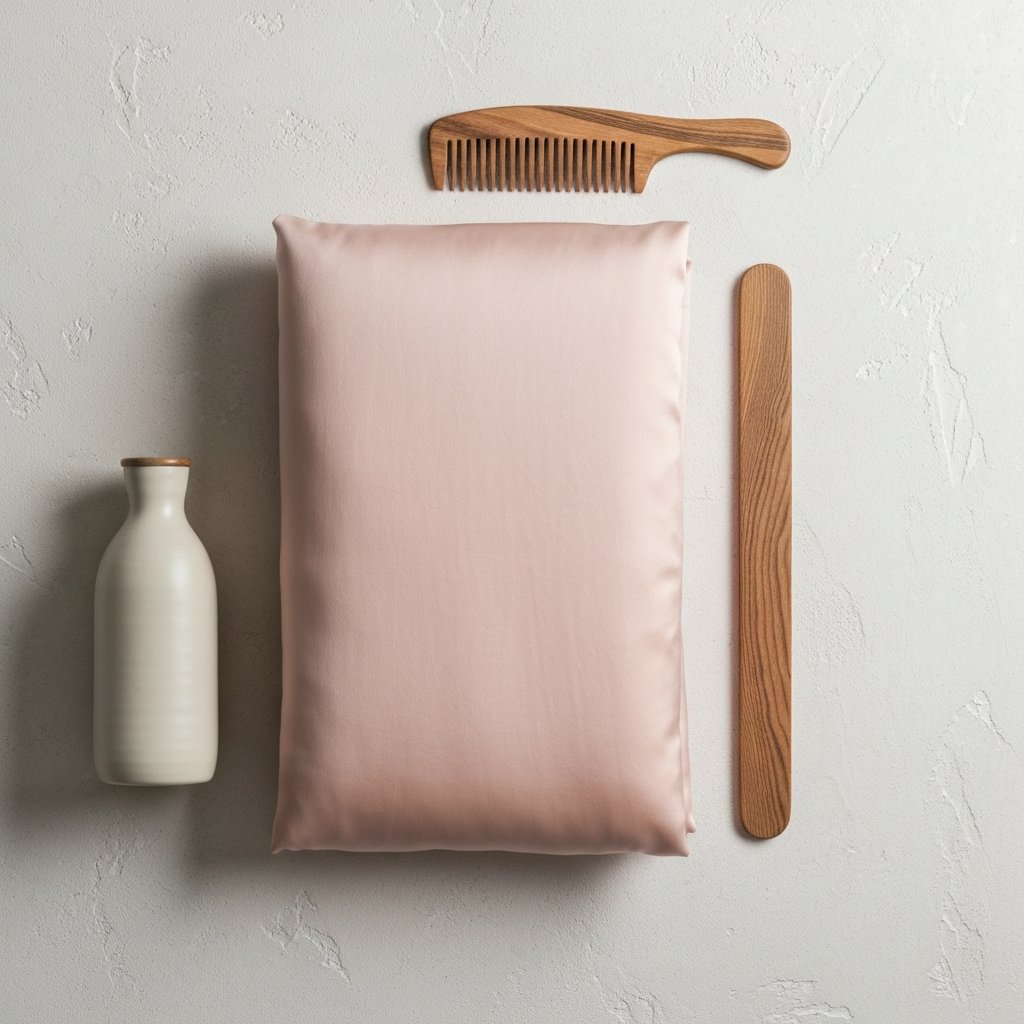
- Sleep on Silk or Satin: Cotton pillowcases absorb moisture from hair and cause friction that can roughen the cuticle. Silk or satin allows hair to glide, preserving the cuticle layer.
- Limit Heat Styling: Excessive heat can melt and blister the cuticle layer (a phenomenon known as bubble hair). Always use a heat protectant and keep tools below 400°F.
- Gentle Detangling: Never rip a brush through hair. Mechanical damage is a leading cause of induced high porosity. Detangle from ends to roots, preferably when hair is coated in conditioner.
Frequently Asked Questions
Q: Can hair porosity change over time? A: Yes. Hair usually starts as low or medium porosity at the roots. As it grows and is exposed to the elements, styling, and coloring, it can become higher porosity toward the ends. Hormonal changes and graying hair can also alter porosity.
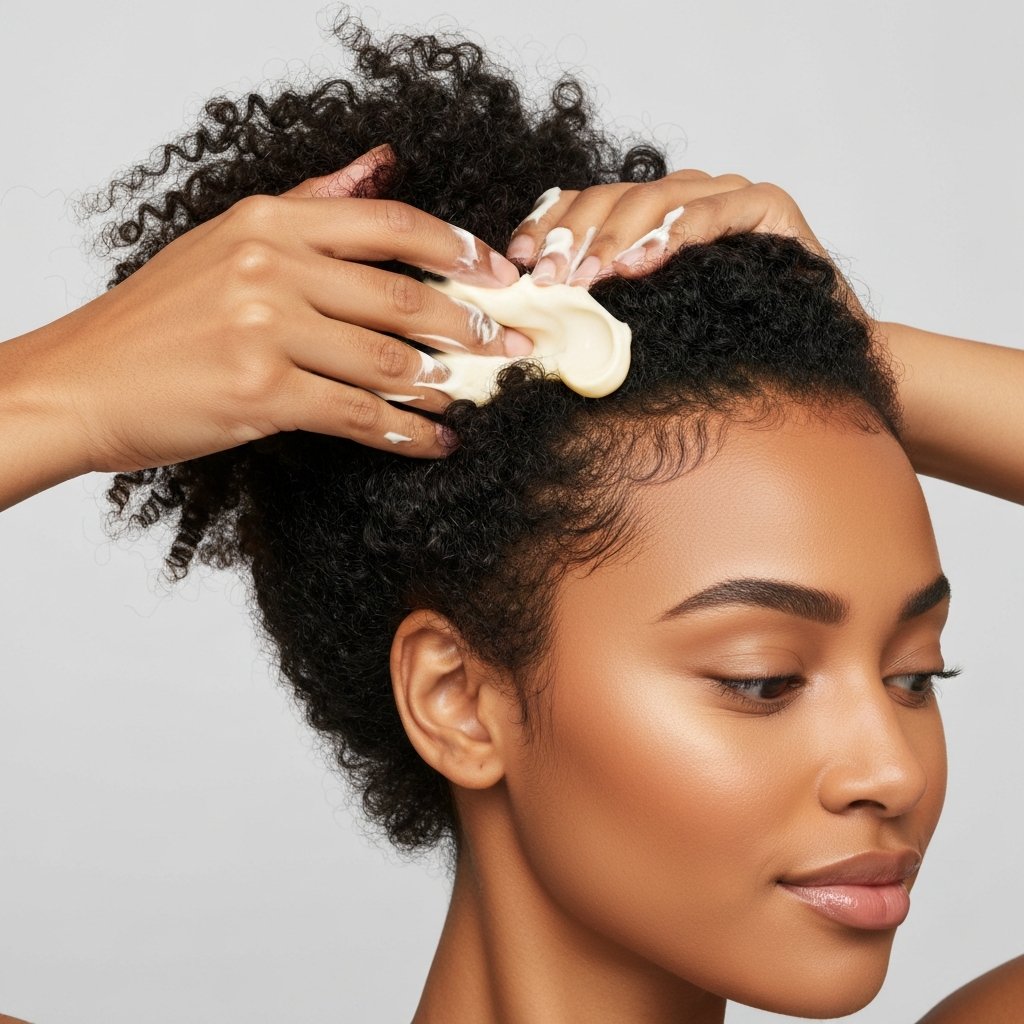
Q: Is high porosity hair always damaged? A: Not necessarily. Some people have naturally high porosity hair due to genetics (common in some curly and coily hair types). However, extremely high porosity is often a sign of compromised structural integrity.
Q: How often should I test my hair porosity? A: It is recommended to test every 6 months or after any major chemical service (like coloring or relaxing), as these processes significantly alter the hair's structure.
Q: Can I have both low and high porosity hair? A: Absolutely. It is very common to have low porosity new growth at the roots and high porosity ends due to weathering. This is often referred to as "combination hair" and requires treating the roots and ends differently.
Q: Does porosity affect hair color? A: Yes. High porosity hair absorbs color very quickly (often going darker than intended) but fades faster. Low porosity hair is resistant to color absorption and may require longer processing times or heat to achieve the desired shade.
Conclusion
The science behind hair porosity is more than just a beauty buzzword; it is the fundamental blueprint for hair health. By understanding the microscopic behavior of the cuticle, individuals can stop wasting money on products that aren't chemically compatible with their hair structure. Whether the goal is moisture retention, volume, or definition, the path to achieving it begins with respecting the porosity of the strand.
Hair care is not one-size-fits-all. It is a science that requires observation, diagnosis, and customization. By embracing the unique properties of your hair's porosity, you can curate a routine that nourishes your hair exactly where it needs it most, resulting in the vibrant, resilient, and healthy hair everyone desires. For a definitive analysis and a customized treatment plan, visiting a professional salon for a consultation is always the best investment in your hair's future.


