Best Hair Care for Different Seasons: Adapt Your Routine | The Ultimate Year-Round Guide
Why Your Hair Needs a Seasonal Strategy
Just as you swap your heavy coats for sundresses or your rich moisturizers for lightweight serums, your hair care routine requires adjustment as the seasons change. Environmental factors play a massive role in the health, texture, and manageability of hair. Temperature fluctuations, humidity levels, UV exposure, and indoor heating all exert different stresses on the hair cuticle and scalp. Ignoring these environmental shifts often leads to a cycle of damage where hair becomes brittle in the winter and frizzy or sun-damaged in the summer.

Understanding the science of seasonal hair care is the first step toward achieving consistent "good hair days" regardless of the forecast. Hair is hygroscopic, meaning it absorbs and releases moisture from the air. This property makes it incredibly reactive to the environment. In winter, the lack of humidity sucks moisture from the strands, while in summer, excess humidity can cause the hair shaft to swell and frizz. By proactively adapting products and techniques, it is possible to maintain the integrity of the hair fiber year-round.
This comprehensive guide explores the specific challenges presented by each season and provides professional-grade strategies to overcome them. Whether dealing with the harsh winds of December or the scorching sun of July, these tailored routines ensure that hair remains resilient, shiny, and healthy.
Winter: The Battle Against Dryness and Static
Combating Moisture Loss
Winter is arguably the harshest season for hair health. The combination of freezing outdoor temperatures and blasting indoor heating creates an environment devoid of moisture. This dry air lifts the hair cuticle, allowing essential hydration to escape, leading to dullness, brittleness, and split ends. During these months, the primary focus must be on intense hydration and protection. Switching to a sulfate-free, moisturizing shampoo and a richer conditioner is essential. Ingredients like shea butter, argan oil, and hyaluronic acid become the hair's best friends during the cold months.
Taming Static Electricity
One of the most annoying side effects of winter dryness is static electricity. When the air is dry, electrons do not flow as freely, building up on the hair surface and causing strands to repel each other. To combat this, introducing a leave-in conditioner is non-negotiable. Not only does it provide a barrier against the cold, but it also neutralizes the electric charge. Additionally, avoiding plastic combs and brushes, which conduct static, in favor of metal or wooden tools can make a significant difference. For an emergency fix, running a dryer sheet over the hair can instantly calm flyaways.Protective Styling and drying
Leaving the house with wet hair in winter is a recipe for disaster. Water inside the hair shaft can freeze and expand, physically breaking the hair fiber. It is crucial to ensure hair is 100% dry before stepping outside. Furthermore, mechanical damage from scarves and wool coats can cause friction and breakage at the nape of the neck. Utilizing protective styles like loose braids or buns, and lining wool hats with silk or satin, can prevent this friction-induced damage.Spring: Detox and Frizz Prevention
The Seasonal Detox
As the weather warms and humidity levels begin to rise, spring serves as the perfect time for a hair reset. Winter often necessitates the use of heavier creams and oils, which can lead to product buildup on the scalp and strands. A clarifying shampoo used once every two weeks will strip away these residues, unclogging hair follicles and restoring volume. This "spring cleaning" for the hair prepares the canvas for lighter, more volumizing products suitable for milder weather.
Managing Increasing Humidity
Spring showers bring humidity, which is the arch-nemesis of smooth styles. As moisture returns to the air, dry or porous hair will try to absorb it, causing the cuticle to swell and resulting in frizz. To counteract this, anti-humectant products are vital. These products seal the cuticle to prevent atmospheric moisture from penetrating the strand. Serums containing silicones or natural oils can create a lightweight shield. It is also the ideal time to schedule a trim to remove any dry, split ends from winter, as split ends are more susceptible to frizz.Transitioning Products
While winter requires heavy masks, spring calls for a balance of moisture and protein. As activities move outdoors, hair is exposed to more environmental pollutants. switching to lighter, water-based hydrators ensures the hair isn't weighed down. This is also the season to start thinking about UV protection, as the sun's angle changes and becomes more direct.Summer: Shielding Against Sun and Sea
UV Protection is Not Just for Skin
Summer presents a unique set of aggressive stressors: intense UV radiation, chlorine from pools, and salt from the ocean. UV rays degrade the protein structure of hair (keratin) and oxidize hair color, leading to brassiness in blondes and fading in brunettes. Just as skin requires sunscreen, hair requires UV protection. Using sprays and leave-in products containing UV filters is mandatory for anyone spending time outdoors. Wearing a wide-brimmed hat offers the best physical protection against solar damage.
Pool and Beach Care
Chlorine is a harsh chemical that strips natural oils, while salt water draws moisture out of the hair through osmosis. Before swimming, wetting the hair with fresh water and applying a coat of leave-in conditioner creates a barrier. Because the hair is like a sponge, if it is already saturated with fresh water, it will absorb less chlorinated or salt water. Immediately after swimming, rinsing the hair is crucial to prevent these drying agents from sitting on the cuticle and causing long-term damage.Controlling Oil and Sweat
Higher temperatures mean increased perspiration and sebum production on the scalp. While it may be tempting to wash hair daily, this can strip natural oils and trigger the scalp to overproduce oil in response. Instead, utilizing a high-quality dry shampoo can absorb excess oil and sweat at the roots, extending the life of a blowout and keeping the scalp fresh. When washing is necessary, using a gentle, balancing shampoo will clean the scalp without drying out the ends.Autumn: Repair and Restoration
Assessing Summer Damage
As the leaves change, it is time to assess the toll summer has taken. Autumn is the season of repair. Hair may feel straw-like, look faded, or show signs of breakage from sun exposure and swimming. This is the critical window to introduce protein treatments. Hydrolyzed keratin, wheat protein, or amino acid treatments help rebuild the weakened structure of the hair shaft. However, protein must be balanced with moisture; too much protein can make hair brittle, so alternating between protein treatments and deep conditioning masks is the key to restoration.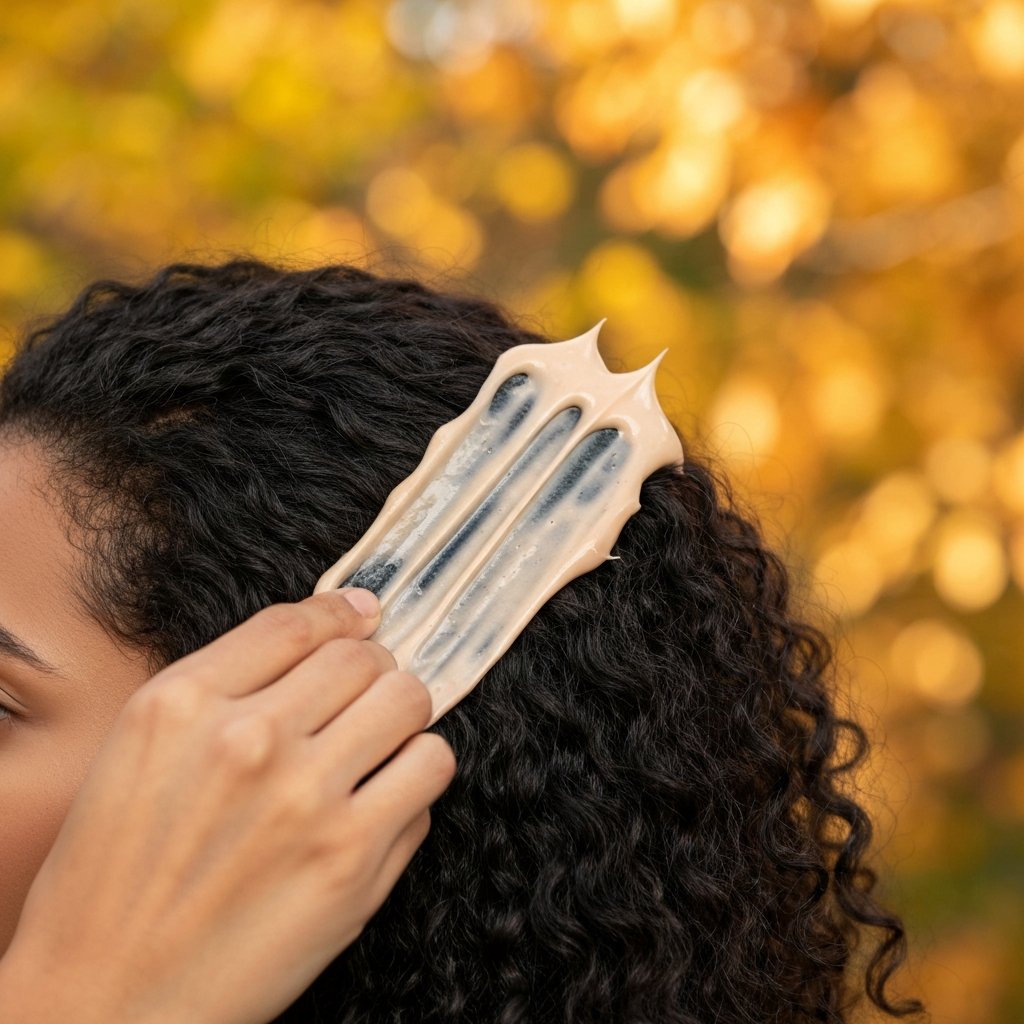
Scalp Health and Hair Fall
Many people experience increased hair shedding in the autumn, a phenomenon known as seasonal shedding. While usually temporary, maintaining optimal scalp health can mitigate excessive loss. Scalp scrubs or exfoliating treatments can remove dead skin cells and improve circulation, fostering a healthy environment for hair growth. Incorporating scalp massages with stimulating oils like peppermint or rosemary can also boost blood flow to the follicles.Prepping for the Cold
Autumn is the bridge to winter. As the air begins to dry out again, slowly reintroducing heavier conditioners and oils into the routine will prepare the hair for the coming drop in temperature. Deep conditioning treatments should become a weekly ritual. If hair color has faded during the summer, autumn is an excellent time for a gloss or toner service at a professional salon to deposit pigment and seal the cuticle, adding a rich, reflective shine.Universal Hair Care Tips for All Seasons
Regardless of the calendar month, certain habits form the foundation of healthy hair. Consistency is the secret ingredient to any beauty routine. Here are universal rules to live by:
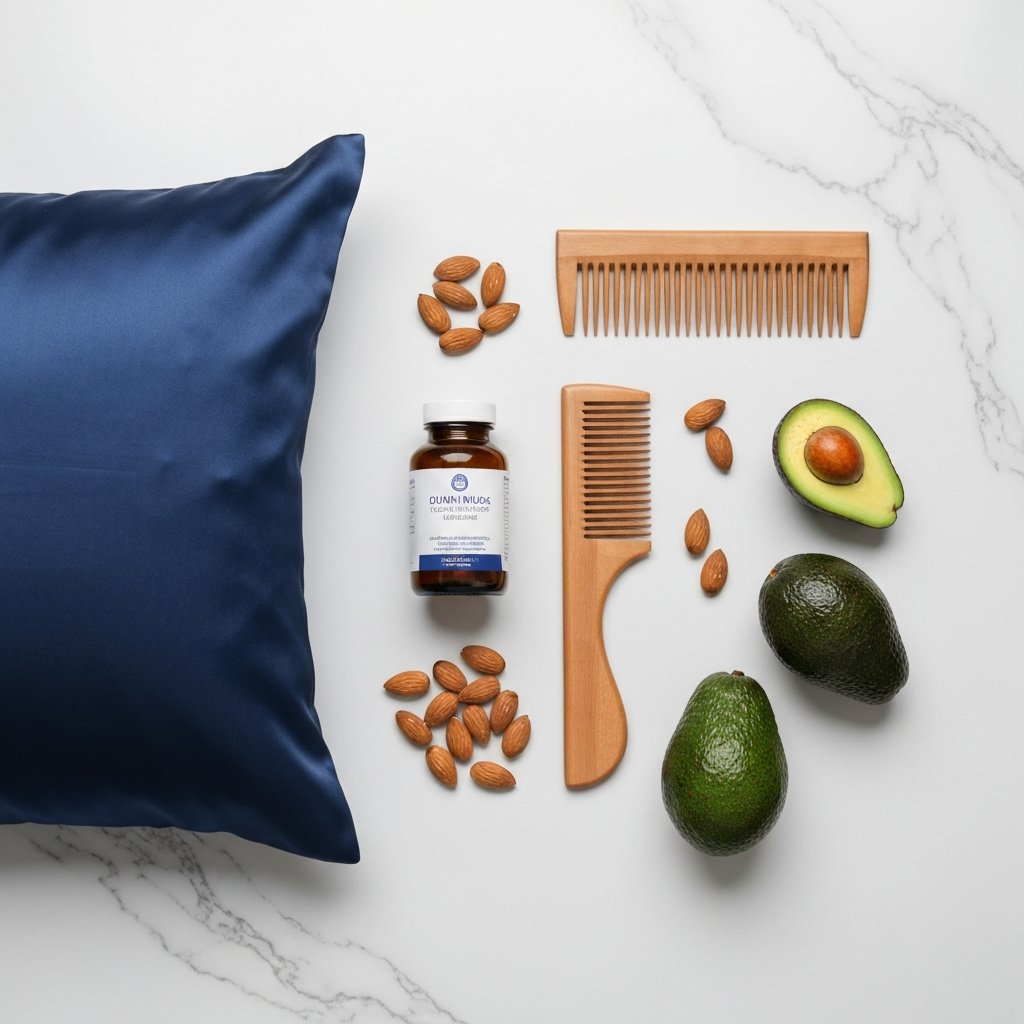
- Water Temperature Matters: Always finish a shower with a cool rinse. Hot water opens the cuticle, while cool water helps seal it, locking in moisture and enhancing shine.
- Invest in Silk or Satin: Cotton pillowcases create friction and absorb moisture from hair. Sleeping on silk or satin reduces breakage and keeps hydration where it belongs—in your hair.
- Diet and Hydration: Hair health starts from within. A diet rich in Omega-3 fatty acids, biotin, and vitamins A and E supports hair growth. Drinking adequate water is just as important for hair as it is for skin.
- Heat Styling Caution: Always use a heat protectant spray before using hot tools. Try to designate at least one or two days a week as "no-heat" days to allow the hair to recover.
- Regular Trims: Getting a trim every 8-12 weeks prevents split ends from traveling up the hair shaft, regardless of the season.
FAQ: Seasonal Hair Care Questions Answered
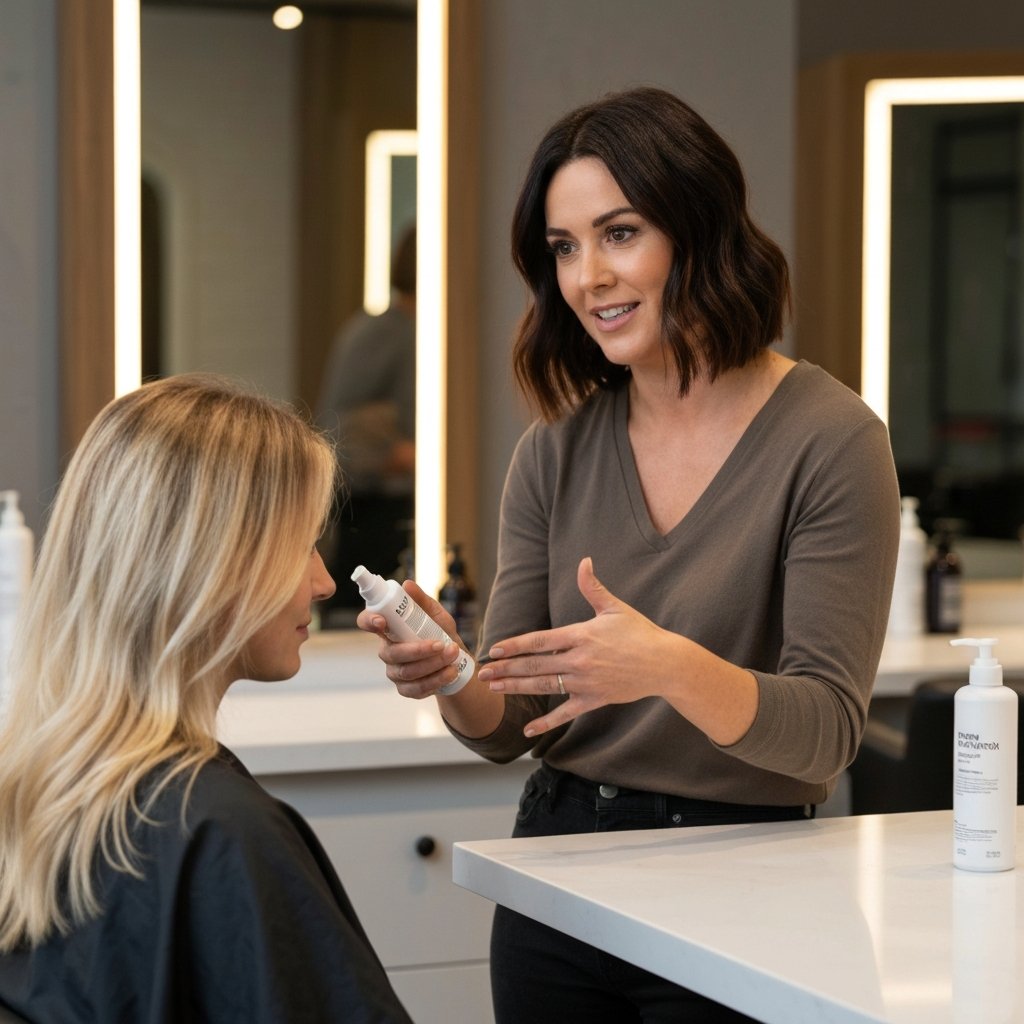
Q: Do I really need to change my shampoo every season? A: Not necessarily the brand, but the formulation might need to change. If your hair feels dry in winter, switch to a moisturizing formula. If it's oily in summer, use a clarifying or volumizing one. Listen to your hair's needs.
Q: Why is my hair falling out more in the fall? A: Seasonal shedding is a common evolutionary trait. Most people hold onto more hair in the summer to protect the scalp from the sun and shed it in autumn. It usually resolves on its own within a few weeks.
Q: Can I skip conditioner in the summer if my hair is oily? A: Never skip conditioner completely. Shampoo opens the cuticle, and conditioner seals it. If you have oily hair, apply conditioner only to the mid-lengths and ends, avoiding the scalp entirely.
Q: How can I fix static hair instantly while on the go? A: Carry a small travel-size hair oil or even a dryer sheet in your bag. A tiny drop of oil rubbed between palms and smoothed over hair, or a quick swipe with a dryer sheet, kills static immediately.
Q: Is air-drying better for hair in the winter? A: Air-drying is generally healthier, but in winter, wet hair can freeze and break if you go outside. If you stay indoors, air-drying is fine. If you must go out, blow-dry on a low or medium heat setting.
Conclusion

Adapting a hair care routine to the changing seasons is not about vanity; it is about maintenance and health. By understanding how temperature, humidity, and UV light affect hair biology, it becomes easier to anticipate needs rather than reacting to damage. From the deep hydration required in winter to the UV defense needed in summer, a proactive approach ensures that hair remains resilient year-round. Remember that hair is a fabric that wears differently in different environments. With the right tools, products, and knowledge, every season can be a season of beautiful, healthy hair.


