The Truth About Hair Training: Can You Really Wash Less Often? | The Science of Scalp Health
The Truth About Hair Training: Can You Really Wash Less Often?
In the world of beauty and wellness, few topics spark as much debate as "hair training." Social media platforms are flooded with testimonials from influencers claiming they have successfully trained their scalps to go a week or more without washing. The promise is alluring: spend less time styling, use fewer products, and achieve healthier, glossier locks by simply ignoring the shampoo bottle. But is there scientific validity to the idea that you can teach your body to produce less oil, or is this merely a biological myth that leaves many walking around with uncomfortable, greasy roots?
Understanding the mechanics of scalp health requires separating anecdotal evidence from dermatological fact. For decades, clients have asked professionals if washing hair too frequently strips natural oils, causing the scalp to overcompensate by producing more. This concept, often referred to as the "reactive seborrhea" theory, suggests a feedback loop between cleansing and oil production. However, modern trichology (the scientific study of the hair and scalp) paints a much more complex picture involving genetics, hormones, and environmental factors.
This comprehensive guide explores the reality of hair training. It delves into the biology of sebaceous glands, examines why reducing wash frequency works for some but spells disaster for others, and offers professional, science-backed strategies for maintaining scalp health while minimizing your reliance on daily washing. Whether you are battling a perpetually oily scalp or simply looking to streamline your morning routine, understanding the truth about hair training is the first step toward hair freedom.
The Theory Behind Hair Training: Fact vs. Fiction
The fundamental premise of hair training is relatively simple: by reducing the frequency of shampooing, the scalp will eventually detect that it retains enough moisture and oil, subsequently slowing down sebum production. Proponents argue that modern shampoos, particularly those containing harsh sulfates, strip the acid mantle—the skin's protective barrier—triggering an emergency response from the sebaceous glands to replenish the lost lipids rapidly.

While it is true that harsh detergents can dehydrate the scalp and hair shaft, leading to dryness and irritation, the idea that the scalp has a sensory mechanism to regulate oil production based on surface dryness is scientifically debated. Sebaceous glands are microscopic exocrine glands in the skin that secrete an oily or waxy matter, called sebum, to lubricate and waterproof the skin and hair of mammals. The activity of these glands is primarily regulated by hormones, specifically androgens like testosterone and dihydrotestosterone (DHT), rather than external washing habits.
Therefore, strictly speaking, you cannot "train" your glands to function differently through external manipulation alone. A teenager going through puberty produces more oil due to hormonal surges, regardless of how often they wash their hair. Similarly, oil production tends to decrease with age as hormone levels shift. However, while you cannot change your biological rate of oil production, you can change how your hair manages that oil and how quickly it becomes visibly greasy, which is where the nuance of hair training lies.
The Biology of Sebum: Why Your Scalp Gets Oily
To understand why hair training is so controversial, one must understand sebum itself. Sebum is a complex mixture of triglycerides, wax esters, squalene, and free fatty acids. It is essential for maintaining the integrity of the skin barrier and protecting the hair shaft from environmental damage. Without sebum, hair would become brittle and prone to breakage, and the scalp would become dry and susceptible to infection.
However, the rate at which sebum travels down the hair shaft varies significantly from person to person. This rate is determined not just by how much oil is produced, but by the texture and density of the hair. For individuals with fine, straight hair, gravity allows sebum to slide down the shaft effortlessly, leading to a greasy appearance within 24 hours. In contrast, those with coily or curly hair types have a spiral structure that physically impedes the travel of oil, meaning their roots may be oily while their ends remain dry.
Furthermore, the microbiome of the scalp plays a crucial role. The scalp is host to a variety of microorganisms, including the yeast Malassezia, which feeds on the lipids in sebum. When oil is allowed to accumulate for too long, this yeast can overgrow, leading to inflammation, dandruff, and seborrheic dermatitis. This biological reality contradicts the "wash less" advice for many people. Ignoring the biological need to cleanse the scalp can disrupt the microbiome, leading to issues far worse than simply having greasy hair.
The Risks of Stretching Washes Too Far
While the intention behind washing less is often to improve hair health, forcing a strict "no-wash" schedule on a scalp that is naturally oily can lead to detrimental consequences. The accumulation of sebum, dead skin cells, pollution, and product residue creates a waxy buildup on the scalp. This layer can clog hair follicles, potentially impeding healthy hair growth and, in severe cases, contributing to hair thinning or loss.
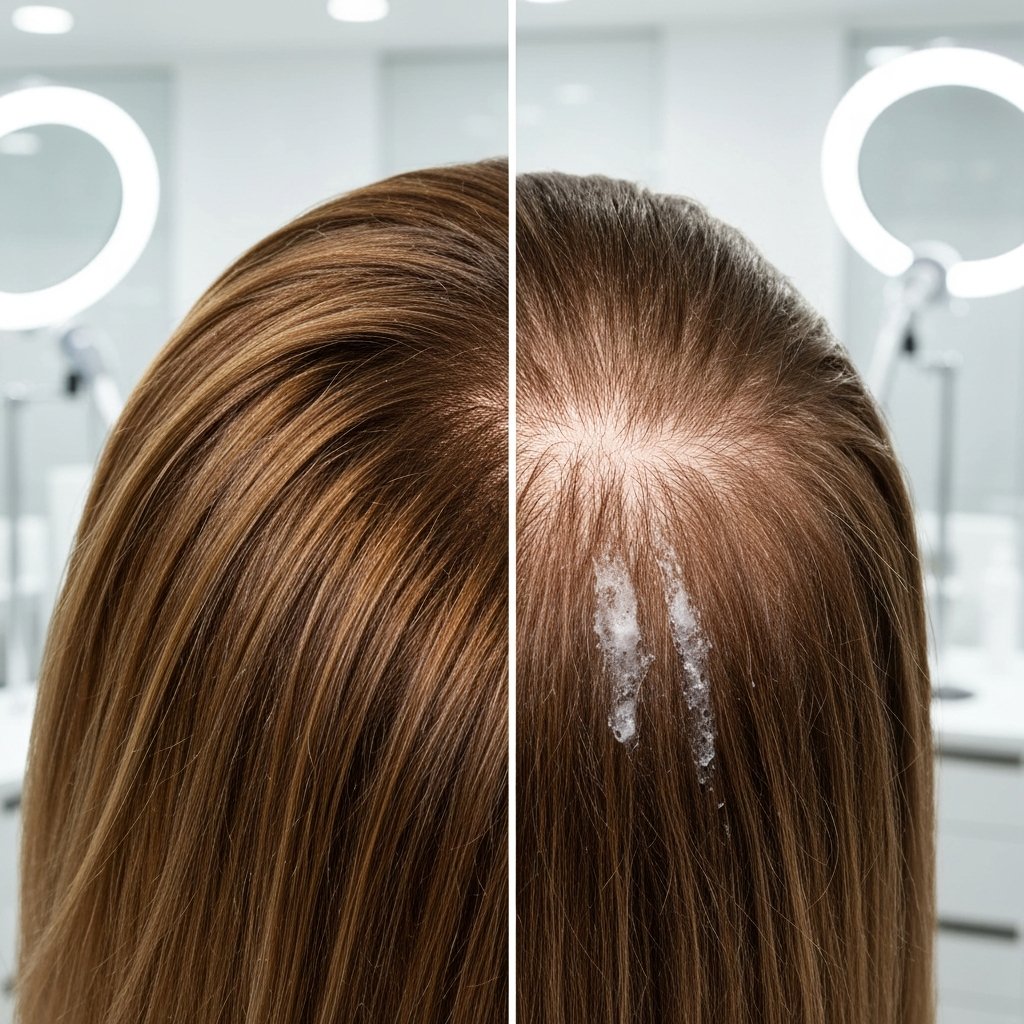
One of the most common risks is the development of folliculitis, an inflammation of the hair follicles caused by bacterial or fungal infections. When the scalp is not cleansed regularly, the warm, moist, and oil-rich environment becomes a breeding ground for bacteria. Symptoms include itchy, red bumps on the scalp that can be painful and unsightly. For individuals prone to acne or scalp psoriasis, "training" the hair by withholding shampoo can exacerbate these conditions significantly.
Additionally, there is the issue of oxidative stress. Pollutants from the air attach to the sebum on the scalp. If not washed away, these pollutants oxidize, leading to scalp irritation and potential damage to the hair follicle's cellular structure. Therefore, the "wash less" approach must be balanced with the need for hygiene and environmental detoxification. It is not a one-size-fits-all solution, and persisting with hair training despite itching, flaking, or discomfort is ill-advised.
Tailoring the Routine: Hair Type Matters
The success of extending wash days is heavily dependent on hair type and porosity. Understanding these factors is crucial for anyone attempting to alter their cleansing routine. High-porosity hair, often caused by chemical processing or heat damage, has open cuticles that absorb moisture and oil rapidly. This hair type might actually benefit from less frequent washing as it desperately needs the natural oils to seal the cuticle.

Conversely, low-porosity hair has tightly bound cuticles that resist moisture absorption. Products and oils tend to sit on top of the hair rather than penetrating it. For individuals with low-porosity, fine hair, attempting to "train" the hair often results in a heavy, weighed-down look that no amount of dry shampoo can fix. These individuals often require more frequent cleansing to maintain volume and bounce.
Texture is equally important. Coily and kinky hair types (Types 3 and 4) are naturally drier because the sebum cannot travel down the helix shape of the strand. For these textures, washing once a week or even bi-weekly is not "training"—it is a standard care requirement to prevent dehydration. Straight and wavy hair types (Types 1 and 2) usually require more frequent cleansing, often every 2 to 3 days, to manage oil distribution.
The Role of Products in Oil Management
If you cannot biologically train your sebaceous glands, you can certainly optimize your product usage to make wash styles last longer. The products used in the shower and during styling have a massive impact on how quickly hair appears greasy. Heavy silicones, often found in smoothing conditioners and serums, can coat the hair shaft and attract dirt and oil, necessitating a wash sooner than otherwise needed.
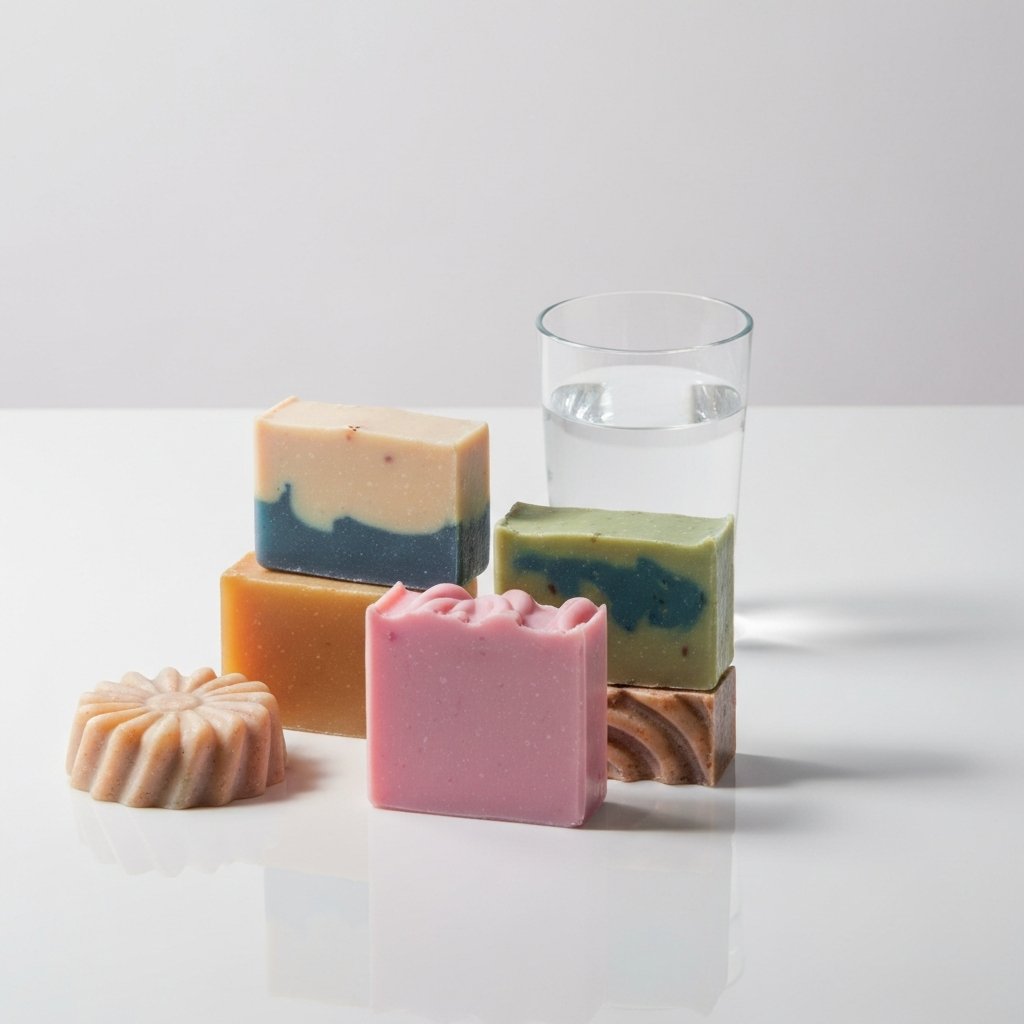
Switching to a clarifying shampoo once or twice a month is a game-changer for those trying to wash less. Clarifying formulas remove the deep-seated mineral buildup from hard water and product residue that regular shampoos miss. When the hair is truly clean, it creates a lighter, airier foundation that takes longer to become weighed down by natural oils.
Furthermore, the application technique matters. Conditioner should strictly be applied to the mid-lengths and ends, never the roots. Applying moisturizing products to the scalp adds external oils to an area that is already producing its own, accelerating the greasy look. Using lightweight, volumizing products at the root can also help lift the hair away from the scalp, reducing the contact area where oil transfer occurs.
Strategies to Safely Extend Wash Days
If the goal is to wash less often without compromising scalp health, a gradual and strategic approach is far superior to "cold turkey" hair training. The objective is to manage the oil, not suppress it. One effective method is double cleansing. When you do wash, shampoo twice: the first wash breaks down surface tension and product buildup, while the second wash actually cleanses the scalp. This ensures you get the maximum longevity out of your clean hair.

Dry shampoo is the most popular tool for extending wash days, but it must be used correctly. Instead of applying it only when the hair is already greasy, apply a small amount of dry shampoo to the roots immediately after blow-drying clean hair. This acts as a preventative measure, absorbing oil as it is produced rather than trying to mask it later. However, reliance on dry shampoo should be moderated, as it can cause significant buildup if not washed out thoroughly.
Protective styling is another powerful tool. As the hair begins to get oily around day three or four, switching from wearing it down to utilizing sleek buns, braids, or ponytails can hide the roots and prevent you from touching your hair, which transfers oils from your fingertips to your strands. Silk or satin pillowcases can also help by reducing friction and preventing the hair from matting and absorbing sweat during the night.
Expert Tips for a Balanced Scalp Routine
- Brush with Boar Bristles: A natural boar bristle brush helps distribute sebum from the roots, where it is concentrated, down to the dry ends. This acts as a natural conditioner and reduces the oily look at the scalp.
- Lower the Water Temperature: Hot water stimulates blood flow and can potentially encourage oil production, while also drying out the scalp (leading to irritation). Wash with lukewarm water for the best results.
- Exfoliate the Scalp: Just like the face, the scalp benefits from exfoliation. Use a scalp scrub or a silicone massager to lift dead skin cells and prevent clogged follicles.
- Clean Your Tools: Brushes and combs harbor old oil, dust, and product residue. Using a dirty brush on clean hair immediately compromises your wash.
- Diet and Hydration: While external factors are key, internal hydration and a diet rich in Omega-3 fatty acids can support overall skin and hair health, potentially regulating inflammation.
Frequently Asked Questions
1. Can I actually reduce the amount of oil my scalp produces?
No, not through washing habits alone. Oil production is hormonal. However, you can reduce the appearance of oil and the need to wash by using the right products and avoiding heavy buildup that weighs hair down.
2. How long does it take to see results from hair training?
For those who find success, it is usually a transition period of 4 to 6 weeks. During this time, the scalp adjusts to the new routine, and you learn how to style second or third-day hair effectively.3. Is washing hair every day bad?
Not necessarily. If you have fine, thin hair and live in a humid climate or exercise daily, daily washing with a gentle, sulfate-free shampoo is perfectly healthy. Hygiene should always be the priority over trends.4. Does baby powder work the same as dry shampoo?
Baby powder can absorb oil, but it is often heavier and can leave a stark white cast. It also lacks the specific neutralizing ingredients found in high-quality dry shampoos designed for hair care.5. Why does my scalp smell when I don't wash it?
The smell is caused by bacteria breaking down the scalp oils and dead skin cells. If your scalp has an odor, it is a sign that the microbiome is unbalanced, and you should wash your hair immediately rather than trying to push through.6. Can hair training cause hair loss?
Indirectly, yes. If the accumulation of oil, DHT (a hormone linked to hair loss), and dead skin cells clogs the hair follicles, it can create an unhealthy environment that stifles growth and weakens the hair anchor.Conclusion
The verdict on hair training is nuanced. While the biological concept of teaching your glands to stop producing oil is largely a myth, the practice of washing less often can still be beneficial for hair health if approached correctly. It is about finding the sweet spot between over-stripping your hair with harsh detergents and neglecting scalp hygiene.
Ultimately, the "right" washing schedule is entirely individual. It depends on your unique hair texture, lifestyle, and hormonal makeup. Instead of blindly following a trend that demands once-a-week washing, listen to your scalp. If it itches, flakes, or feels sore, it is time to wash. By using professional products, employing smart styling techniques, and respecting your biology, you can achieve beautiful, healthy hair without being a slave to the shower schedule.


