The Ultimate Guide to Hair Vitamins: What Your Hair Needs | Expert Nutrition Tips
Achieving the kind of lustrous, resilient hair seen in magazines and on runways is rarely just a matter of finding the right shampoo or conditioner. While high-quality topical products are essential for maintaining the cuticle and managing texture, true hair health begins internally. The biological processes that create hair occur deep within the follicle, fueled by the nutrients circulating in the bloodstream. If the body lacks specific building blocks, hair is often the first tissue to suffer, resulting in shedding, brittleness, or lackluster growth.
This comprehensive guide explores the vital relationship between nutrition and hair health. By understanding which vitamins and minerals facilitate the growth phase and support structural integrity, individuals can make informed decisions about their diet and supplementation routines to cultivate their best possible hair.
The Biology of Hair: Why Nutrition Matters
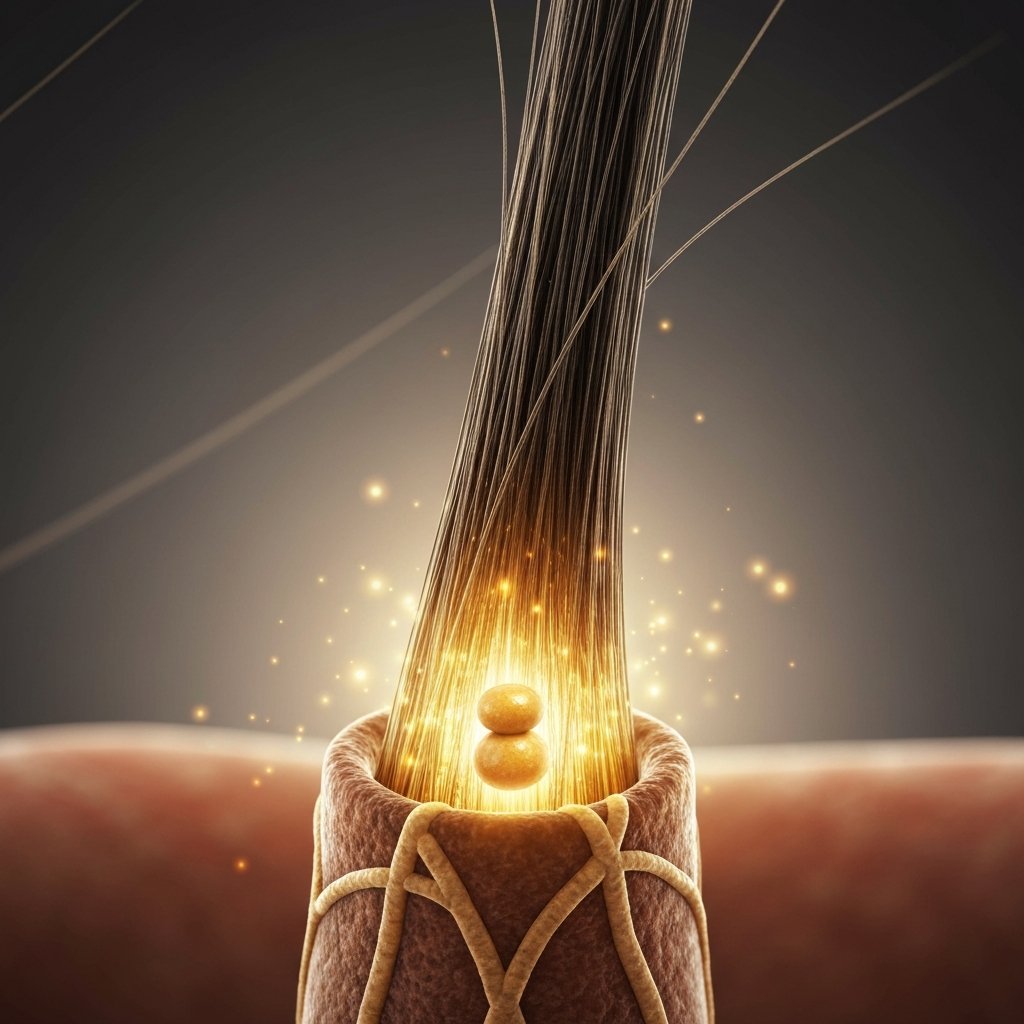
To understand why vitamins are necessary, one must first understand how hair grows. Hair is primarily composed of keratin, a tough, fibrous protein. The hair follicle is one of the most metabolically active tissues in the human body. It requires a constant, robust supply of oxygen, energy, and nutrients to sustain the rapid cell division that pushes the hair shaft upward.
The Growth Cycle
Hair growth occurs in three main stages: Anagen (growth), Catagen (transition), and Telogen (resting). A deficiency in essential nutrients can shorten the Anagen phase, causing hair to enter the resting and shedding phases prematurely. This is why nutritional deficiencies often manifest as diffuse thinning or a lack of length retention. The body prioritizes vital organs (heart, lungs, brain) over non-essential tissues like hair. Therefore, if a person is nutritionally depleted, the body will divert resources away from the follicles, leading to hair loss.The Role of Blood Flow
Nutrients do not reach the hair shaft (the visible part of the hair, which is technically dead tissue); they reach the hair bulb (the living root). A healthy scalp with strong circulation ensures that the vitamins and minerals consumed in the diet are effectively transported to the follicle. This biological reality underscores why topical treatments alone cannot fix issues stemming from internal deficiencies.The B-Complex: Biotin, B12, and Beyond
When discussing hair vitamins, the B-complex family usually takes center stage. These water-soluble vitamins are crucial for cell metabolism and the creation of red blood cells.

Biotin (Vitamin B7)
Biotin is perhaps the most marketed vitamin in the hair care industry. It plays a pivotal role in the production of keratin. Biotin aids enzymes that break down fats, carbohydrates, and proteins into amino acids—the building blocks of hair. While true biotin deficiency is rare in those eating a balanced diet, supplementing can improve hair texture and strength in those with suboptimal levels. Natural sources include egg yolks, almonds, cauliflower, and sweet potatoes.Cobalamin (Vitamin B12)
Vitamin B12 is essential for the formation of red blood cells, which carry oxygen to the hair follicles. Without adequate oxygen, hair cannot grow efficiently and may become weak and prone to breakage. B12 is primarily found in animal products like meat, fish, and dairy. Vegetarians and vegans are often advised to monitor their B12 levels closely, as deficiency is common in plant-based diets and can lead to noticeable hair thinning.Niacin (Vitamin B3)
Niacin helps to repair DNA and improves blood circulation to the scalp. It is also known to help with inflammation. A well-nourished scalp is the bedrock of healthy hair growth, and Niacin ensures that the 'soil' is fertile for the hair to grow.The Antioxidant Powerhouses: Vitamins A, C, and E
Oxidative stress caused by free radicals can damage the hair follicle and contribute to aging and hair graying. Antioxidants are the body's defense mechanism against this damage.

Vitamin A: Sebum Production
Vitamin A is required for the growth of all cells, including hair. Its most specific role in hair health, however, involves the skin glands. Vitamin A helps these glands make an oily substance called sebum. Sebum moisturizes the scalp and helps keep hair healthy. A deficiency can lead to a dry, itchy scalp and brittle hair. However, balance is key; consuming too much Vitamin A (toxicity) can actually cause hair loss. Sources include sweet potatoes, carrots, pumpkins, and spinach.Vitamin C: Collagen Synthesis
Vitamin C is a powerful antioxidant that protects against oxidative stress. Furthermore, the body needs Vitamin C to create collagen, a protein that is an important part of hair structure. Additionally, Vitamin C helps the body absorb iron, a mineral necessary for hair growth. Citrus fruits, peppers, guavas, and strawberries are excellent sources to incorporate into a daily diet.Vitamin E: Scalp Protection
Similar to Vitamin C, Vitamin E is an antioxidant that can prevent oxidative stress. Studies have shown that people with hair loss experienced an increase in hair growth after supplementing with vitamin E for several months. It is believed to improve blood circulation in the scalp and creates a protective barrier on the skin's lipid layer. Sunflower seeds, almonds, spinach, and avocados are rich in Vitamin E.The Sunshine Vitamin: Vitamin D
Vitamin D is unique because the body produces it through direct contact with sunlight. However, a significant portion of the global population is deficient in Vitamin D due to indoor lifestyles and sun protection usage.

The Follicle Connection
Research suggests that Vitamin D plays a role in the creation of new hair follicles—the tiny pores in the scalp where new hair grows. Low levels of Vitamin D are strongly linked to alopecia, a technical term for hair loss. It is thought to stimulate hair follicles that have become dormant. For those living in climates with limited winter sun, supplementation is often recommended by healthcare professionals to maintain optimal levels for both bone and hair health.Critical Minerals: Iron, Zinc, and Selenium
While vitamins get the spotlight, minerals are the unsung heroes of hair density and retention.

Iron and Ferritin
Iron deficiency is one of the most common causes of hair loss, particularly in women. Iron helps red blood cells carry oxygen to your cells. This makes it an important mineral for many bodily functions, including hair growth. When the body is low on iron (anemia), it channels available oxygen to vital organs, leaving hair follicles to starve. Measuring 'ferritin' levels (stored iron) is often the first step a dermatologist will take when investigating hair loss. Red meat, lentils, and spinach are key dietary sources.Zinc: Tissue Repair
Zinc plays an important role in hair tissue growth and repair. It also helps keep the oil glands around the follicles working properly. Hair loss is a common symptom of zinc deficiency. However, like Vitamin A, high levels of zinc can inhibit copper absorption and cause hair loss, so supplementation should be approached with caution.Selenium
Selenium contributes to the maintenance of normal hair by killing the fungus that causes dandruff and regulating thyroid hormones, which regulate hair growth. Brazil nuts are a potent source of selenium—often, just two nuts a day provide the recommended daily allowance.Proteins and Amino Acids
Hair is almost entirely protein. If the diet is low in protein, hair growth slows down, and the hair that does grow is weaker. This is the body’s way of rationing protein for more critical functions.

Collagen and Keratin
Collagen supplements have surged in popularity, and for good reason. Collagen provides the amino acids that can be used to build hair. It also acts as an antioxidant against damage from free radicals. While the body produces collagen naturally, production declines with age. Hydrolyzed collagen powders and bone broth are popular ways to boost intake.Determining What You Need: Diet vs. Supplements
A common question in professional salons is whether one should rely on food or pills. The consensus among nutritionists and trichologists is that whole foods are superior.

The Bioavailability Factor
Nutrients from food are generally more bioavailable (easier for the body to absorb) than synthetic versions. A salad containing spinach, peppers, and avocado provides a complex matrix of vitamins, minerals, fiber, and enzymes that work synergistically. Supplements are isolated nutrients.When to Supplement
Supplements are designed to fill gaps, not replace a healthy diet. They are particularly useful for individuals with dietary restrictions (such as vegans needing B12), those with absorption issues, or those with diagnosed deficiencies. Before starting any high-dose hair vitamin, it is advisable to consult with a healthcare provider to avoid toxicity and interactions with other medications.Practical Tips for Maximizing Hair Nutrition
Implementing a hair-healthy lifestyle goes beyond popping a gummy vitamin. Here are practical steps to ensure your body utilizes nutrients effectively for hair growth:

- Hydration is Key: Vitamins need water to be transported through the body. Chronic dehydration leads to a dry scalp and brittle hair shafts.
- Gut Health: You are not just what you eat; you are what you absorb. Probiotics and fiber ensure your digestive system can actually extract the vitamins from your food.
- Consistency: Hair grows slowly—about half an inch per month. Nutritional changes can take 3 to 6 months to show visible results in hair quality.
- Manage Stress: High cortisol levels (stress) can deplete vitamin stores and push hair follicles into the shedding phase. Meditation and sleep are just as important as your diet.
- Scalp Massage: To help those nutrients reach the follicle, stimulate blood flow with regular scalp massages using essential oils like rosemary or peppermint (diluted in a carrier oil).
Frequently Asked Questions (FAQ)
Q: How long does it take for hair vitamins to work? A: Hair growth is a slow process. While skin and nails may show improvement in a few weeks, it typically takes 3 to 6 months of consistent supplementation to see a noticeable difference in hair density and strength.

Q: Can taking too many vitamins cause hair loss? A: Yes. Hypervitaminosis, particularly with Vitamin A and Selenium, can actually cause hair to fall out. It is crucial to adhere to recommended daily allowances and consult a doctor before taking high-dose supplements.
Q: Are gummy vitamins effective? A: Gummy vitamins can be effective if they contain high-quality ingredients, but they often contain added sugars and fillers. Capsule or powder forms often have higher concentrations of active ingredients and fewer additives.
Q: Does biotin really make hair grow faster? A: Biotin strengthens the hair shaft and improves the infrastructure of keratin, which can prevent breakage, allowing hair to grow longer. However, it does not necessarily speed up the genetic rate of hair growth.
Q: Can I get all my hair vitamins from a vegan diet? A: Most hair-healthy vitamins are abundant in plant foods, with the exception of Vitamin B12 and heme-iron. Vegans should pay special attention to these two nutrients and consider fortified foods or supplements.
Q: Is expensive always better when it comes to hair supplements? A: Not always. While some premium brands use higher quality, bioavailable forms of vitamins (like methylated B12), the price often reflects marketing. Look at the ingredient list and dosages rather than the brand name.
Conclusion
The journey to beautiful hair is an inside-out process. While the shelves of professional salons are stocked with incredible products to treat the hair fiber, the potential for length, strength, and shine is determined by the body's internal chemistry. A diet rich in fatty acids, B-complex vitamins, Vitamin D, iron, and zinc creates the optimal environment for follicles to thrive.
It is important to remember that there is no magic pill that will transform hair overnight. The combination of a nutrient-dense diet, proper hydration, stress management, and professional hair care is the ultimate formula. If hair loss is sudden or severe, it is always recommended to seek advice from a dermatologist or trichologist to rule out underlying medical conditions. By treating hair as an extension of overall health, one ensures that it remains vibrant and strong for years to come.


