The Ultimate Guide to Hair Vitamins: What Your Hair Needs | Science-Backed Nutrition
The Foundation of Follicle Health: An Introduction
When we think about achieving the perfect hair day, our minds often drift to high-end shampoos, restorative masks, and professional blowouts. While external care is undeniably crucial for maintaining the texture and shine of the hair shaft, the true engine of hair health lies beneath the surface. Hair is a biological barometer; its condition often reflects the overall nutritional status of the body. In the quest for luscious locks, the role of vitamins and minerals cannot be overstated.
Hair is the second fastest-growing tissue in the human body, second only to bone marrow. This rapid cellular turnover requires a immense amount of energy and nutrients to sustain. However, because hair is considered a non-essential tissue for survival by the body, it is often the first place to suffer when nutritional intake is lacking. The body will prioritize sending vitamins to vital organs like the heart and liver, leaving the hair follicles to starve. This is why nutritional deficiencies often manifest as hair thinning, shedding, or lackluster texture long before other health issues arise.
In this ultimate guide to hair vitamins, we will journey through the microscopic world of the hair follicle to understand exactly what fuel it requires to thrive. We will move beyond marketing buzzwords to explore the scientific functions of key nutrients, debunk common myths surrounding supplements, and provide actionable advice on how to integrate these vital nutrients into a daily routine through both diet and supplementation.
The Science of Hair Growth: Understanding the Cycle
To appreciate why vitamins are necessary, one must first understand the life cycle of a hair strand. Hair growth is not a continuous, non-stop process; it occurs in a cycle consisting of three distinct phases: Anagen, Catagen, and Telogen. The Anagen phase is the growth phase, lasting anywhere from two to seven years. During this time, the cells in the root of the hair are dividing rapidly, adding to the hair shaft. Nutritional abundance is critical here; without adequate building blocks, the anagen phase shortens, leading to shorter, finer hair.
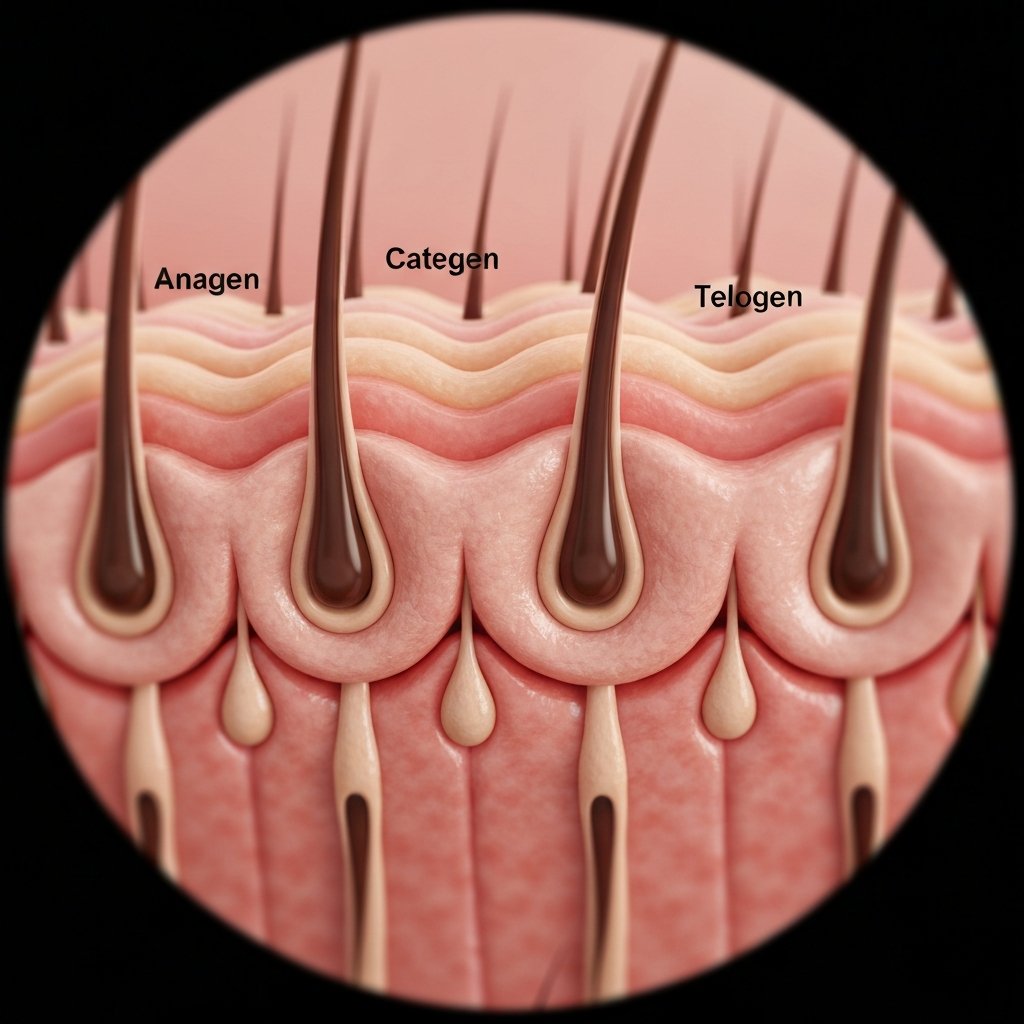
Following Anagen is the Catagen phase, a short transition stage that lasts about ten days. The hair follicle shrinks and detaches from the dermal papilla. Finally, the Telogen phase is the resting phase, which lasts around three months. At the end of this phase, the old hair falls out, and a new hair begins to grow from the follicle, restarting the cycle. If the body lacks specific vitamins, a disproportionate number of hairs can be pushed into the Telogen phase prematurely, resulting in noticeable shedding known as Telogen Effluvium.
The dermal papilla, located at the base of the hair follicle, is fed by the bloodstream. This means that every vitamin, mineral, and micronutrient you consume has the potential to travel directly to the hair root. However, the efficacy of this delivery system depends entirely on the quality of nutrients circulating in the blood. Understanding this biological connection highlights why topical treatments alone can never fully compensate for a poor diet. True radiance begins at the cellular level.
The B-Complex: Biotin and Beyond
When the conversation turns to hair vitamins, Biotin (Vitamin B7) is almost always the headline act. Biotin is essential for the production of keratin, the fibrous structural protein that makes up the majority of the hair strand. A deficiency in Biotin can lead to brittle hair and increased shedding. However, while Biotin supplements are incredibly popular, true deficiencies are rare in those eating a balanced diet. Biotin is most effective when taken to bolster the existing keratin infrastructure, improving the hair's elasticity and protecting it from breakage.
But the B-Complex family offers more than just Biotin. Vitamin B12 (Cobalamin) plays a pivotal role in the formation of red blood cells. These cells are the delivery trucks of the body, carrying oxygen and nutrients to the scalp and hair follicles. Without adequate B12, the hair follicles can become starved of oxygen, causing hair growth to slow or cease entirely. This is particularly important for individuals following vegetarian or vegan diets, as B12 is primarily found in animal products.
Niacin (Vitamin B3) is another unsung hero of the B-Complex group. Niacin helps to repair DNA and improves blood circulation to the scalp. Enhanced circulation ensures that the hair follicles receive a steady stream of nutrients. Furthermore, Pantothenic Acid (Vitamin B5) is known for its ability to help prevent hair thinning and loss. It strengthens the hair follicles and their cells, allowing them to function properly. Often found in skincare for its hydrating properties, B5 works internally to keep the scalp environment balanced and hydrated.
The Antioxidant Powerhouses: Vitamins C and E
Oxidative stress is a major enemy of healthy hair. Free radicals—unstable molecules caused by pollution, UV radiation, and poor diet—can damage the cellular structures of the hair follicle, accelerating aging and graying. This is where the antioxidant powerhouses, Vitamin C and Vitamin E, step into the spotlight. Vitamin C is not just for immunity; it is a vital cofactor in the synthesis of collagen. Collagen is rich in amino acids that the body needs to build keratin. Furthermore, as we age, collagen production naturally decreases, making Vitamin C intake even more critical for maintaining hair strength.
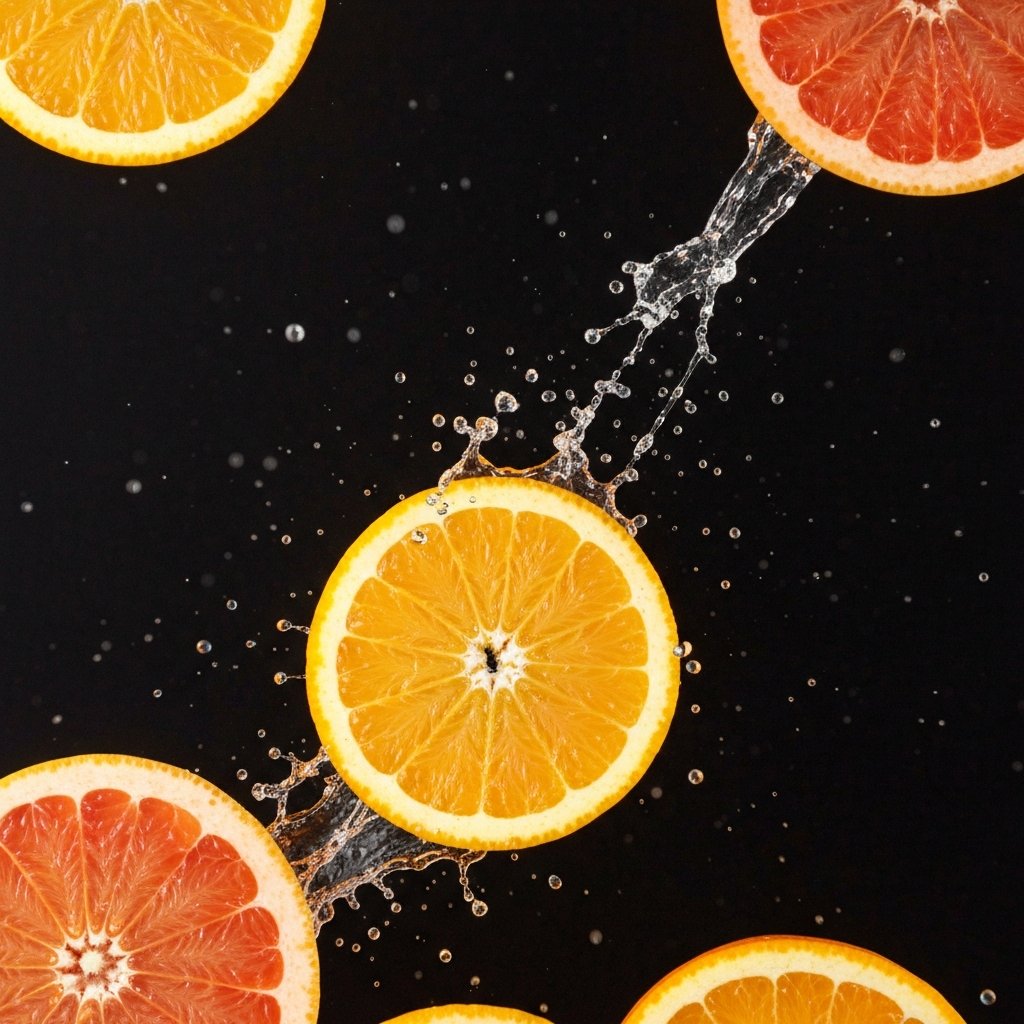
Vitamin C also plays a crucial secondary role: it significantly enhances the absorption of iron. Iron deficiency is a leading cause of hair loss, particularly in women. By consuming Vitamin C-rich foods alongside iron sources, the body can utilize the mineral more effectively. Think of Vitamin C as the facilitator that ensures other nutrients can do their jobs properly.
Vitamin E works in tandem with Vitamin C as a potent antioxidant. It is primarily responsible for protecting the lipid layer of the skin—and by extension, the scalp. A healthy scalp is the bedrock of healthy hair. Vitamin E helps to reduce oxidative stress in the scalp, which has been linked to alopecia. By preserving the protective lipid layer, Vitamin E gives hair a natural base for growth and helps to lock in moisture, preventing the dry, frizzy appearance that often signals damage.
The Mineral Matrix: Iron and Zinc
While vitamins get the glory, minerals are the heavy lifters of hair health. Iron is arguably the most critical mineral for preventing hair loss. As mentioned earlier, iron is required for the production of hemoglobin in red blood cells. Hemoglobin carries oxygen to the body's cells, including the hair follicles. When iron levels drop (anemia), the body enters survival mode, channeling oxygen to vital organs and cutting off the supply to non-essential tissues like hair. This results in significant shedding and an inability to grow hair past a certain length.
Zinc is another mineral that requires careful attention. Zinc plays a crucial role in hair tissue growth and repair. It also keeps the oil glands around the follicles working properly. A lack of zinc can lead to hair loss, but interestingly, so can an excess of zinc. It is a delicate balance. Zinc is also involved in protein synthesis and cell division, the very processes that drive the Anagen growth phase. Those who experience dandruff or slow-growing hair often find that regulating their zinc intake provides noticeable improvements.
It is important to note that minerals can compete for absorption in the body. For example, taking high doses of calcium can inhibit iron absorption. This complexity is why relying solely on a multivitamin without understanding the interactions can be ineffective. Whole food sources often provide these minerals in balanced ratios that the body can process more efficiently.
Vitamin D: The Follicle Cycler
Vitamin D is unique because it functions more like a hormone than a traditional vitamin. Research has shown that Vitamin D receptors are present in the hair follicles and play a direct role in the cycling of hair growth. Studies suggest that Vitamin D is involved in the creation of new hair follicles—a process known as folliculoneogenesis. This implies that adequate Vitamin D levels might not just help sustain current hair, but could be instrumental in waking up dormant follicles.

Low levels of Vitamin D are consistently linked to alopecia areata, an autoimmune condition that causes patchy hair loss. In the modern world, where many people spend the majority of their time indoors, Vitamin D deficiency has become a global epidemic. While the body can synthesize Vitamin D from sunlight, dietary sources and supplements are often necessary to reach optimal levels for hair health. Ensuring sufficient Vitamin D intake is a proactive step in preventing the hair from prematurely entering the resting phase.
Sources of Strength: Diet vs. Supplements
The debate between obtaining nutrients from whole foods versus supplements is ongoing. In the context of hair health, whole foods should always be the primary strategy. Foods offer a complex matrix of nutrients, fiber, and enzymes that help the body absorb vitamins efficiently. For example, eating a spinach salad with strawberries (Iron + Vitamin C) is often more bioavailable than taking two separate pills. Fatty fish like salmon provides Vitamin D, Omega-3s, and protein all in one package, creating a synergistic effect that no pill can perfectly replicate.

However, supplements have a valuable place in a hair care regimen. They serve as an insurance policy against dietary gaps. For individuals with dietary restrictions, such as vegans who may lack B12 or iron, or those with absorption issues, high-quality hair vitamins are essential. When choosing a supplement, look for "bioavailable" forms of nutrients (e.g., Methylcobalamin instead of Cyanocobalamin for B12). It is also wise to be wary of "gummy" vitamins that are loaded with sugar, as sugar can cause inflammation that counteracts the benefits of the vitamins.
Practical Tips for Maximizing Vitamin Absorption
To truly benefit from hair vitamins, one must adopt habits that support absorption and overall health. Here are several professional tips:

- Pair Wisely: Always consume iron-rich plant foods with a source of Vitamin C. Squeeze lemon over your kale or drink orange juice with your lentils.
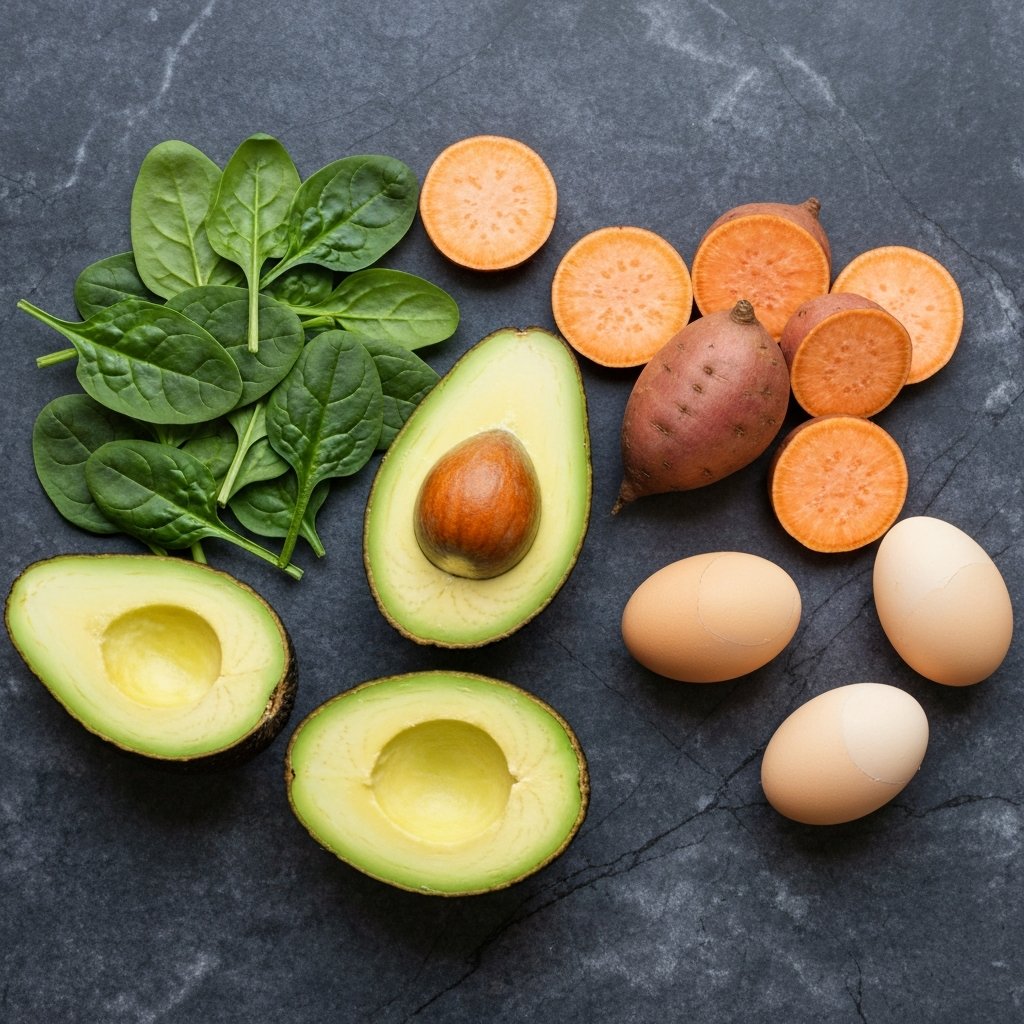
- Fat Solubility: Vitamins A, D, E, and K are fat-soluble. This means they must be consumed with dietary fat to be absorbed. Taking your multivitamin with a slice of avocado or a spoonful of nut butter can significantly increase its effectiveness.
- Hydration: Vitamins are transported via the blood, and blood volume is regulated by water. Chronic dehydration thickens the blood, making nutrient transport sluggish. Drink adequate water to ensure the vitamins actually reach the scalp.
- Gut Health: You are not just what you eat; you are what you absorb. A healthy gut microbiome is essential for breaking down nutrients. Incorporating probiotics and fermented foods can improve your body's ability to utilize hair vitamins.
- Consistency: Hair growth is a slow process. It takes roughly three months to see the effects of dietary changes on hair. Consistency in taking vitamins or eating nutrient-dense meals is key to seeing results.
Frequently Asked Questions
Q: Can taking too many hair vitamins be harmful? A: Yes. While water-soluble vitamins like B and C are generally flushed out if taken in excess, fat-soluble vitamins like A, D, and E can accumulate in the body and reach toxic levels. Vitamin A toxicity, specifically, can actually cause hair loss—the exact opposite of the desired effect. Always adhere to recommended daily allowances.
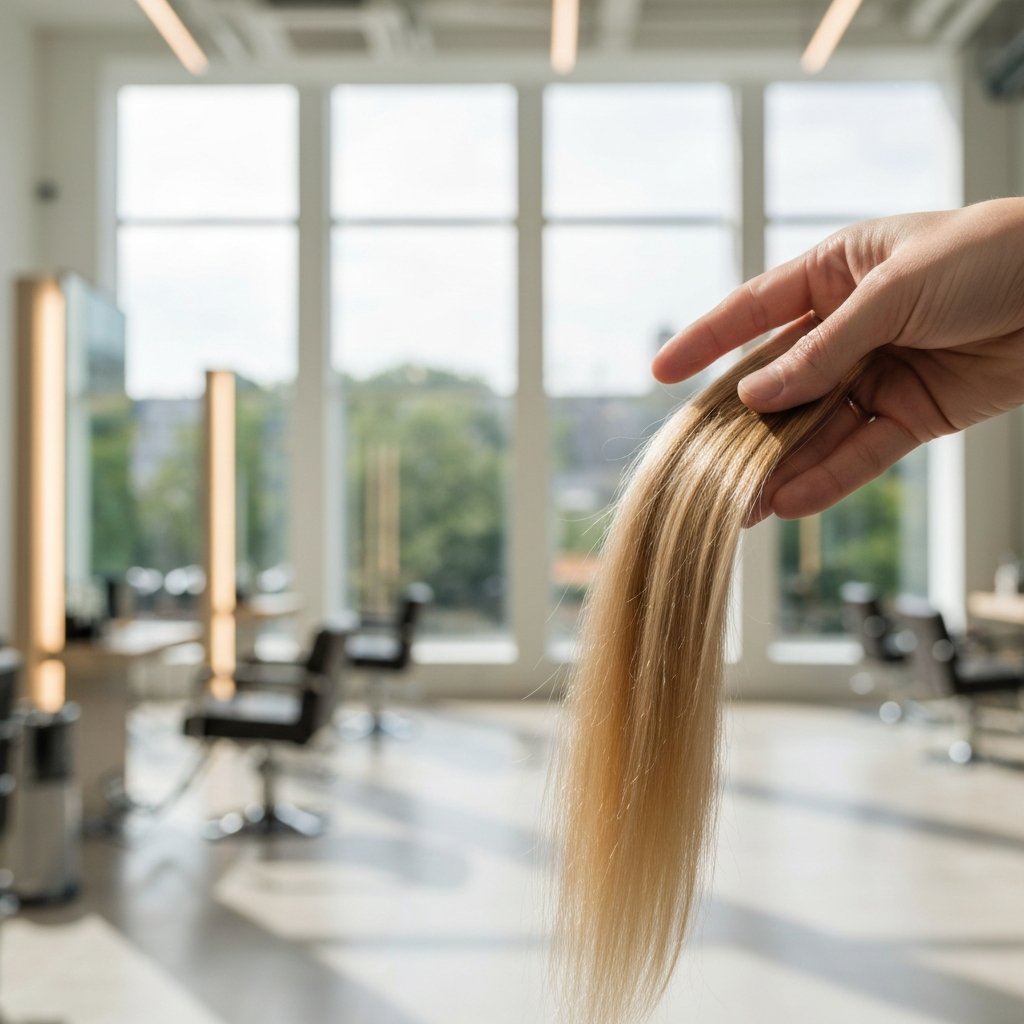
Q: How long does it take to see results from hair vitamins? A: Patience is required. Hair grows about half an inch per month. It typically takes 3 to 6 months of consistent supplementation to notice a visible difference in hair quality and growth rate. The first signs of improvement are often seen in nail strength and skin clarity.
Q: Do hair gummies work as well as pills? A: It depends on the formulation. While gummies are palatable, they often contain lower dosages of vitamins compared to capsules and usually include added sugars and fillers. Capsules or softgels are generally preferred for higher potency and better absorption without the added sugar.
Q: Can vitamins cure baldness? A: Vitamins can improve hair quality and help prevent hair loss due to nutritional deficiencies. However, they cannot cure genetic male or female pattern baldness (androgenetic alopecia). They function best as a supportive measure alongside other treatments recommended by dermatologists.
Q: Is Biotin really the magic cure for hair growth? A: Biotin is essential, but it is not a miracle cure for everyone. It works best for individuals who actually have a deficiency or those looking to strengthen the protein structure of the hair. If your hair loss is caused by stress or hormonal imbalances, Biotin alone may not resolve the issue.
Conclusion: The Holistic Approach to Hair Health
Achieving the hair of your dreams is rarely the result of a single miracle product. It is the culmination of a holistic approach that combines professional external care with rigorous internal nutrition. Understanding the specific roles of vitamins like Biotin, Vitamin D, Iron, and Zinc empowers individuals to make better dietary choices that directly impact their appearance and well-being.
While the allure of a quick fix is strong, the biology of hair growth demands consistency, patience, and high-quality fuel. By viewing food as the foundation of your beauty routine and supplements as the strategic reinforcement, you create the optimal environment for your hair to flourish. Whether you are recovering from damage, navigating postpartum changes, or simply striving for longer lengths, remember that the strongest strands are built from the inside out. Consult with healthcare providers and professional stylists to tailor a regimen that suits your unique biological needs, and watch as your hair transforms into its healthiest, most vibrant state.


